A Formula One (F1) Grand Prix is more than a sporting event — it is a massive urban-scale project that mobilizes an entire city. Now in its third year, the F1 Las Vegas Grand Prix generated $934 million in economic impact last year alone.
F1 demands some of the highest standards of hospitality in global sports, and when combined with Las Vegas’ tourism-centered infrastructure, the event has earned its reputation as “the most glamorous Grand Prix in the world.”
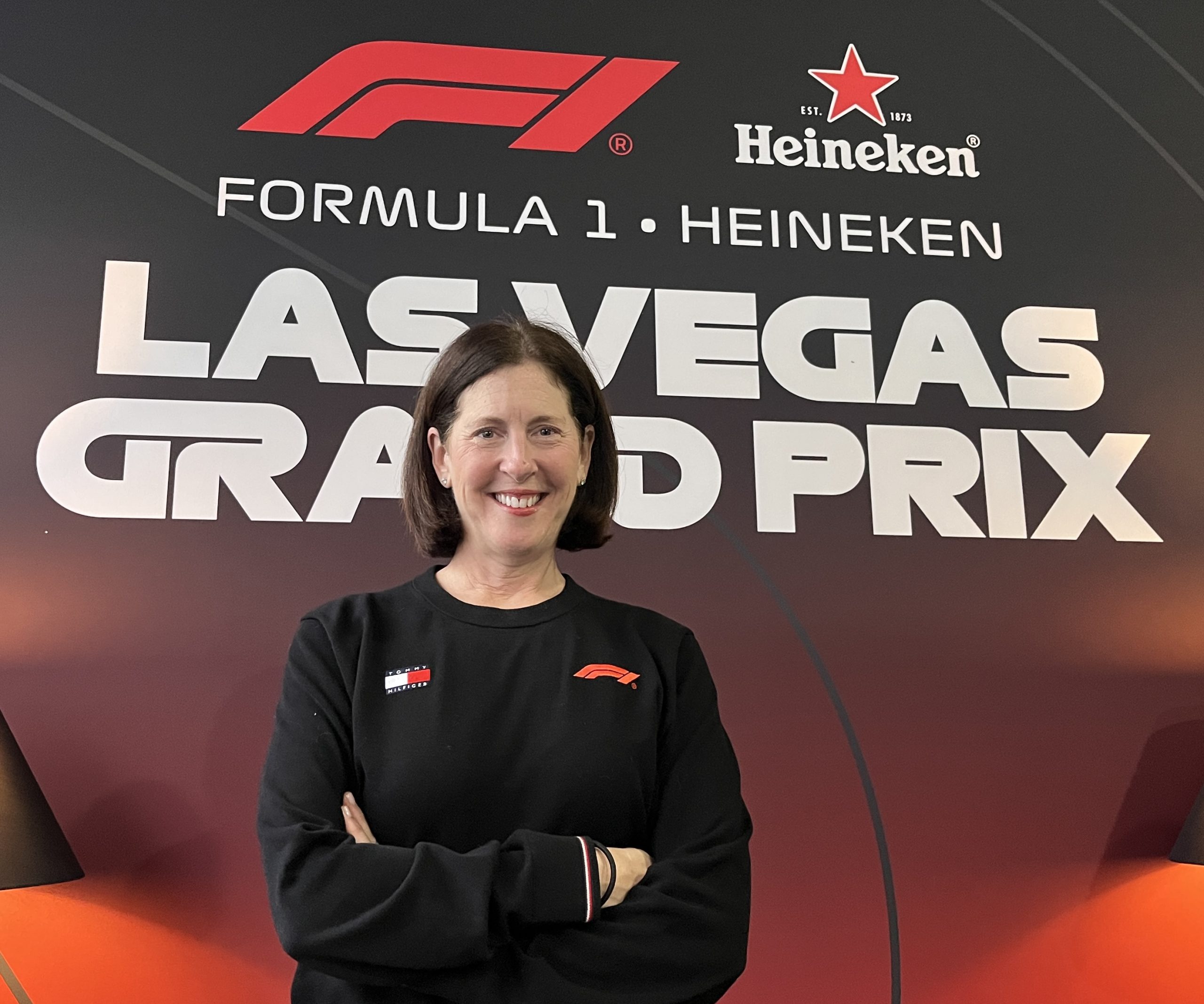
Lori Nelson-Kraft, Senior Vice President of Corporate Affairs for the Las Vegas Grand Prix, emphasized that the defining feature of the Las Vegas Paddock Club is the permanent F1 infrastructure built directly in the center of the city.
Liberty Media, F1’s holding company, invested roughly $600 million to purchase a 39-acre site and construct the 300,000-square-foot Paddock Club facility, known as the Grand Prix Plaza.
“This isn’t just a building,” Nelson-Kraft said. “It’s a year-round mixed-use venue for F1 exhibitions and interactive experiences — a central component of F1’s expansion strategy in the United States.”
She noted that the event is powered largely by private-sector investment. Global brands such as Heineken and American Express are major sponsors, while the Las Vegas Convention and Visitors Authority (LVCVA) participates as the sole government-affiliated partner for city marketing purposes.
“The LVCVA is funded not by local residents, but through room taxes paid by tourists,” she added.
The economic impact is significant. Nelson-Kraft explained, “Last year, F1 brought $934 million in economic benefit to Southern Nevada, including $45 million in tax revenue — and $15 million of that was allocated to public schools.”
The employment impact is also notable. The Las Vegas Grand Prix organization employs 150 full-time staff, while more than 4,000 temporary local workers are hired for hospitality, security, and operations from September through the end of post-race dismantling — a four-month period.
Most race infrastructure, excluding the Paddock Club, consists of temporary installations that require three months to build and one month to dismantle.
The Las Vegas Grand Prix operates a 3.8-mile street circuit, requiring extensive coordination to minimize disruption for residents and businesses.
“While the Strip frequently hosts major events, F1 is the largest,” she said. “It requires extremely precise coordination. More than 1,000 stakeholders — including residents and business owners — meet monthly to share construction and road-closure schedules and refine logistics.”
After complaints during the inaugural year about a temporary bridge on Flamingo Road affecting businesses, organizers reduced the bridge width by half in years two and three, shortening installation time. The event also launched a public website offering real-time updates on road closures and traffic conditions.
Nelson-Kraft added that an urban street circuit provides unmatched value from a city-branding perspective.
“Sports tourists spend more than twice as much as regular tourists,” she said. “Back in 2021, when I was at the LVCVA, F1 approached us first — and we quickly recognized it as an opportunity to expand international tourism.”
Last year, global F1 viewership reached 1.5 billion. “The sight of F1 cars racing at over 200 miles per hour down a glowing LED-lit Strip is a tourism advertisement in itself,” she said. “During the 2023 race week, Las Vegas received six times more media exposure than it usually gets in an entire year.”
Meanwhile, in Korea, Incheon Metropolitan City is currently the most active in pursuing an F1 race, proposing a downtown circuit centered around Songdo.
Nelson-Kraft advised that any city considering an urban circuit must focus on tourism infrastructure, international visitor experiences, transportation access, stakeholder coordination, and resident support.
“What Las Vegas pitched to F1 wasn’t just a race — it was a destination,” she said. “Korea will gain competitiveness when the city’s identity and tourism infrastructure align with the race itself.”
BY KYEONGJUN KIM [kim.kyeongjun1@koreadaily.com]