
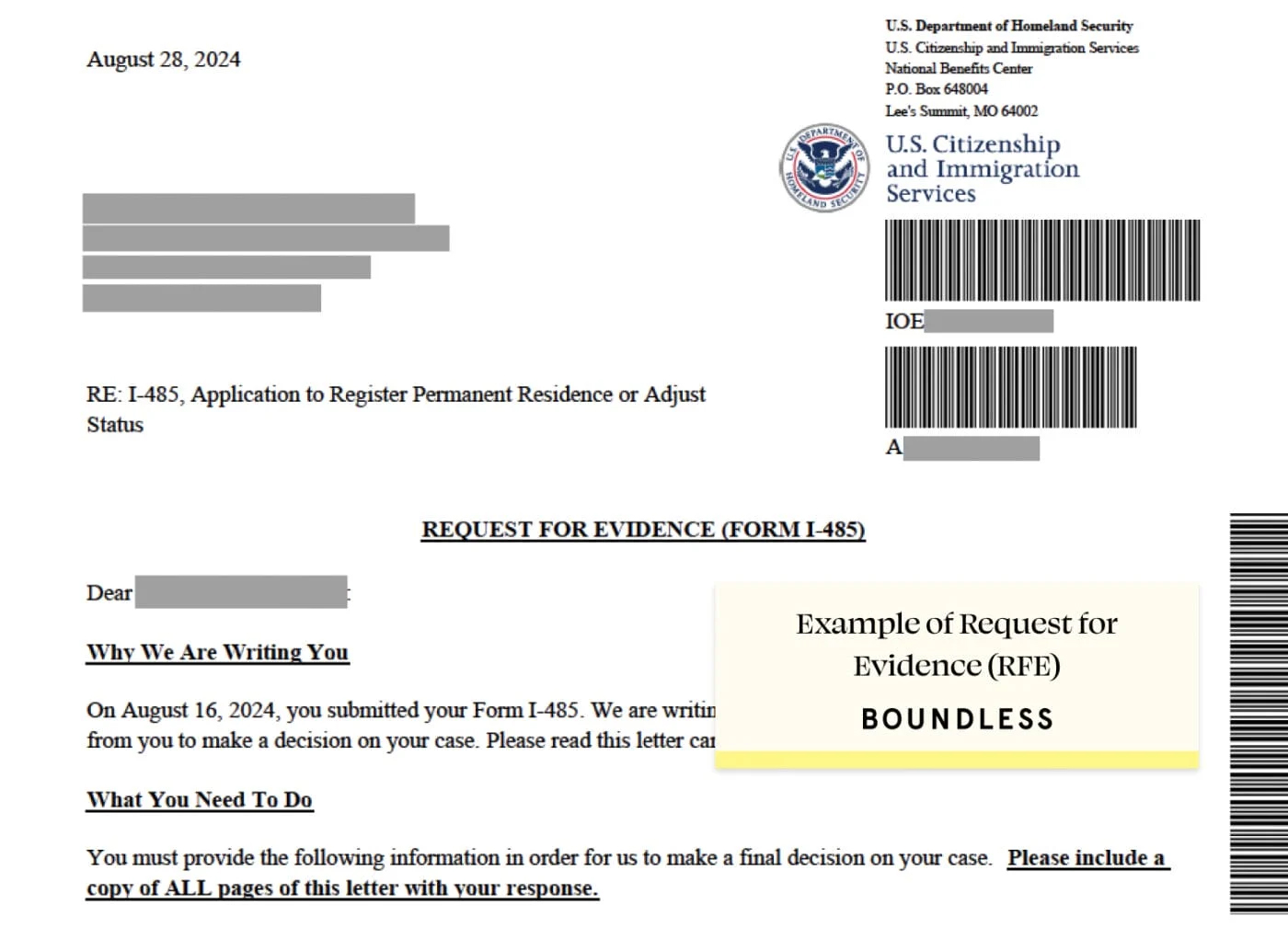
The visa scrutiny intensifies as U.S. immigration authorities increasingly request additional documents from applicants, reflecting tougher Trump administration’s immigration policies. According to Korean-American immigration attorneys, the U.S. Citizenship and Immigration Services (USCIS) has issued more Requests for Evidence (RFE), especially for those with incomplete visa applications. Therefore, applicants and their legal teams are now under heightened pressure to prepare extensive documentation.
Immigration lawyers report that visa scrutiny intensifies particularly for I‑360 petitions, which are submitted by religious workers, widows, at-risk youths, and international organization employees. USCIS data reveals that in March alone, 796 RFEs were sent to I‑360 applicants. This number follows 421 in January and 663 in February—an upward trend pointing to more frequent document requests.
Dave Noh, an immigration attorney, explained that examiners issue RFEs “when they determine the supporting information is insufficient.” He added that the recent surge in RFEs has kept lawyers busy preparing supplemental materials for their clients.
The visa scrutiny intensifies for applicants like Kim Joon-chul (37) from Torrance, who works at a Korean church in Los Angeles. He said he received an RFE because his passport copy was unclear and his church credentials were deemed inadequate. “With overall visa checks tightened, I’m anxious and working with my attorney to prepare all the documents,” Kim said.
In addition, the rising number of Notices of Intent to Deny (NOID) reinforces the message that scrutiny is tightening. USCIS issued 199 NOIDs for I‑360 petitions in January, 310 in February, and 370 in March. A NOID warns applicants that their petition may be denied unless they respond.
Immigration attorney Jung Hoon Song emphasized the challenge: “If you receive a NOID, you must respond within 30 days. It’s not easy. Failure to present appropriate evidence often leads to denial.” Therefore, applicants must carefully review and complete their submissions.
The Senate approved Joseph Edlow as the new USCIS director on April 15, and he immediately pledged to “eliminate fraud and abuse in employment visas.” During his confirmation hearing, senators questioned the recent surge in RFEs and on-site investigations for I-140 petitions and whether the changes reflect new agency policies. His statements suggest that visa scrutiny intensifies may continue as USCIS steps up enforcement.
In summary, the increase in RFEs and NOIDs reflects a broader tightening of U.S. visa policies. Applicants, especially those filing I‑360 and I‑140 petitions, face mounting demands for detailed evidence. As USCIS under new leadership ramps up oversight, meticulous preparation is now essential for successful visa outcomes.
BY YEOL JANG [jang.yeol@koreadaily.com]