
The online outlet M9 News reported on Dec. 2 that USCIS is asking some green card applicants to submit their children’s school records as part of a Request for Evidence (RFE). The requests include transcripts, enrollment documents, and registration history.
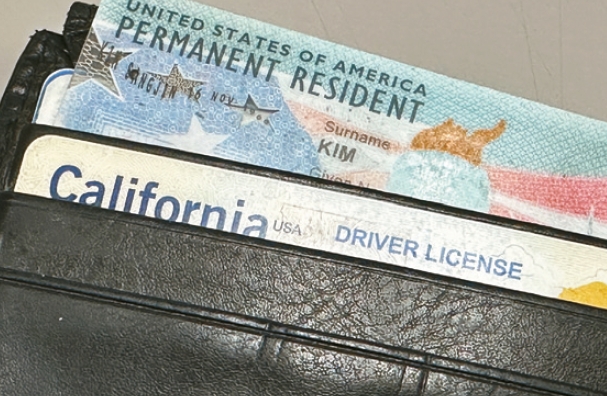
According to M9 News, USCIS recently required one applicant to provide about two years of school records from 2023 to the present. The outlet reported that the request covers sensitive educational and privacy information and imposes a substantial burden on the applicant.
M9 News stated that the applicant was in an overstay status after entering the United States on a B-1/B-2 visa. The applicant had enrolled a child in school while caring for a spouse who was undergoing cancer treatment.
Experts say USCIS appears to treat school enrollment as evidence of possible visa-purpose violation. A B-1/B-2 visa allows tourism or short-term stays. Long-term education for a child can be viewed as inconsistent with the purpose declared at entry.
Attorneys note that USCIS uses school records to examine whether there was unlawful presence intent, misrepresentation at entry, or potential alien smuggling. They say the agency now reviews everyday life details, past stay histories, and children’s education—areas that rarely drew major scrutiny in the past.
Immigration attorney Jung-Hoon Song said, “Recently, USCIS has strengthened its standards in family- and marriage-based green card reviews by checking the authenticity of daily life, past stay history, and whether lawful status was maintained.” He added, “If a child attended public school for a long period while the parent held a visitor visa, USCIS can closely examine possible visa-purpose violations, status-maintenance issues, and misrepresentation at entry.” He also noted that insufficient explanation or evidence “can negatively affect the entire case.”
Attorney Dave No said additional documentation requests are becoming more common. “USCIS is increasingly asking for information to determine long-term stays, settlement intent, and education activity,” he said. “These cases may appear more frequently going forward.”
RFEs include deadlines. USCIS generally gives applicants about 87 days to respond. Missing the deadline can result in denial of the green card application.
Attorneys advise applicants to consult an immigration lawyer immediately upon receiving an RFE. They recommend organizing all facts and preparing clear explanations about stay history, educational decisions, and family circumstances.
BY HANKIL KANG [kang.hankil@koreadaily.com]