Beer has long been part of everyday life. It was consumed when drinking water was unsafe, and it remained common even after water became safe. Beer is present during sports games and afterward, on the tables of both affluent households and working families. As production became industrialized, beer was standardized, while consumer preferences divided the market. Often seen as a light and easy-drinking beverage, beer reveals greater depth and complexity the more it is understood. Ikseok Kim, a beer enthusiast and professor at California State University, Los Angeles, introduces the history, culture, flavor, and preferences of beer in a five-part series. (Editor’s note)
The Korea Daily/Sangjin Kim
The United States continues to be described as a “beer paradise.”
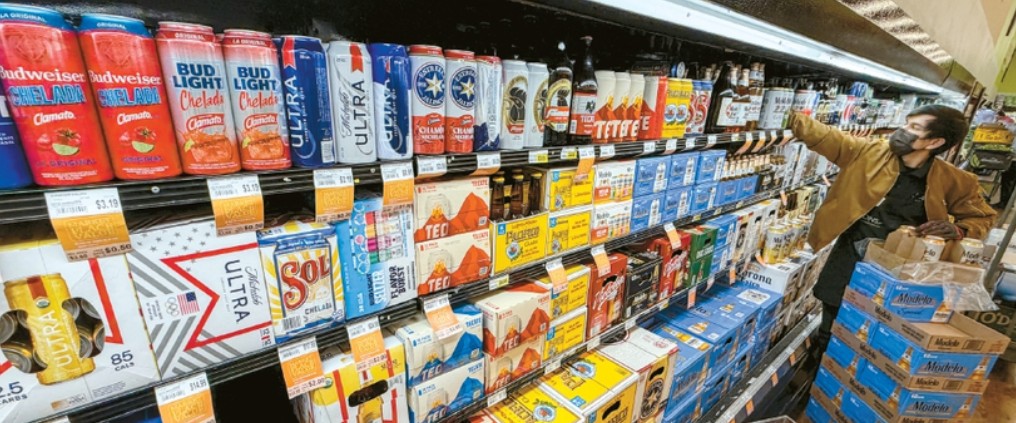
Large supermarkets stock hundreds of beer brands in refrigerated sections. Local breweries attract crowds on weekends, and neighborhood pubs remain gathering places in the evenings. Beer remains closely tied to daily life in the United States.
After the pandemic, many aspects of daily life changed. Dining out declined, and online consumption increased. During this period, beer continued to be consumed as part of everyday routines. Purchasing limited local releases online or visiting nearby breweries to try new products became more common.
The US beer industry generated more than $120 billion in revenue in 2024. While restaurants and other parts of the food service sector experienced heavy losses early in the pandemic, beer sales recovered relatively quickly. Beer was frequently described as a form of “small but certain happiness.”
There are currently about 9,700 breweries across the country, nearly double the number from a decade ago. California accounts for about 1,000 breweries, the highest total of any state. Other states operate an average of about 180 breweries each.
In both large cities and small towns, beers reflecting local water quality, agricultural products, and individual brewing styles continue to be produced. In many parts of the country, consumers encounter beers they have not previously tried.
Breweries as Cultural and Economic Centers
Breweries now serve roles beyond beer production. Many function as spaces that support local economies and community interaction.
Annual events such as the Denver Craft Beer Festival, San Diego Beer Week, and Portland Ale Day draw large crowds each year. Breweries often host live music, food trucks, and local markets, creating spaces where residents gather. Beer consumption is closely connected to these local events and economic activity.
Technological developments have also influenced beer production. Artificial intelligence is used in some breweries to control fermentation temperatures and hop balance, helping maintain consistent quality. Brewing data analysis is also used to explore new combinations.
At the same time, environmentally focused breweries have expanded. Some operate using solar or wind power, while others reuse spent grain to produce bread or animal feed. These practices have contributed to beer’s development as a more sustainable industry.
Despite technological advances, small-scale production remains important. While automation improves efficiency, brewers continue to rely on experience and judgment when shaping aroma and flavor.
Beer continues to be associated with shared activities such as watching sports, spending time with friends, camping, and barbecues. For some people, beer marks the end of the day. For others, it accompanies social interaction. Large brands and small breweries coexist, and beer remains tied to moments shared with others.
Ikseok Kim / California State University, Los Angeles