Immigrant communities are growing anxious after the second Trump administration issued guidance directing officers to apply public-benefit standards more strictly in green card reviews. Rumors that “any government benefit means denial” are spreading quickly.
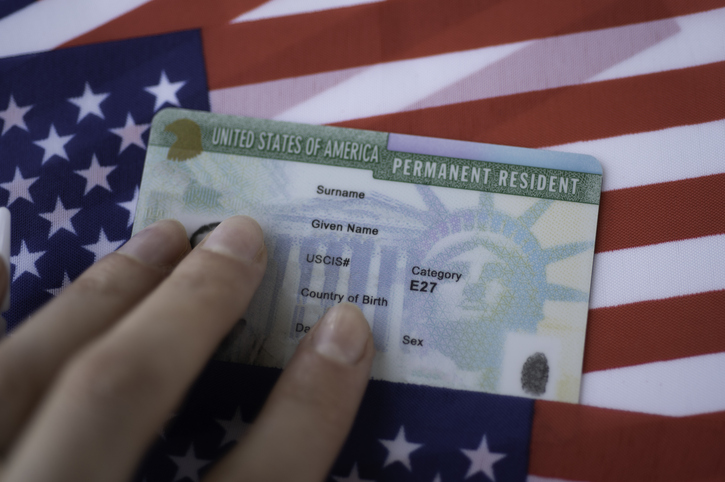
Immigration attorneys stress that not all benefits count and that officers still evaluate finances, health, and employability together. Juyeon Song, an immigration attorney, said the guidance does not create new law but reinforces tighter use of existing standards. She said claims that health-insurance subsidies or child-support programs automatically lead to denial are not true.
Although many believe the announcement widened the scope of public benefits, attorneys note that only a small set of programs qualify as direct public assistance. These include Supplemental Security Income (SSI), Temporary Assistance for Needy Families (TANF), and government-funded long-term institutional care.
Non-cash programs such as Medicaid (Medi-Cal), SNAP, WIC, school meals, emergency medical services, and housing assistance are not considered in public-charge reviews. Using health-insurance support or SNAP alone does not harm a green card application.
Attorney Dave No said the core of the guidance is a holistic review of each applicant’s situation. He noted that meeting financial-sponsorship requirements on Form I-864 is a major factor, and officers assess assets, income, debt, family size, and employability.
Because the financial-sponsorship form must show income of at least 125% of the federal poverty level, sponsors whose tax filings or income fall short may trigger public-charge concerns.
Attorney Junghoon Song said fears are rising, but the programs that actually affect review remain very limited. He added that green card decisions rely on a broad assessment of future self-sufficiency, making accurate understanding and careful documentation essential.
BY KYEONGJUN KIM [kim.kyeongjun1@koreadaily.com]