Borrowers delinquent over 270 days face default status
Debt consolidation and filing extensions may limit losses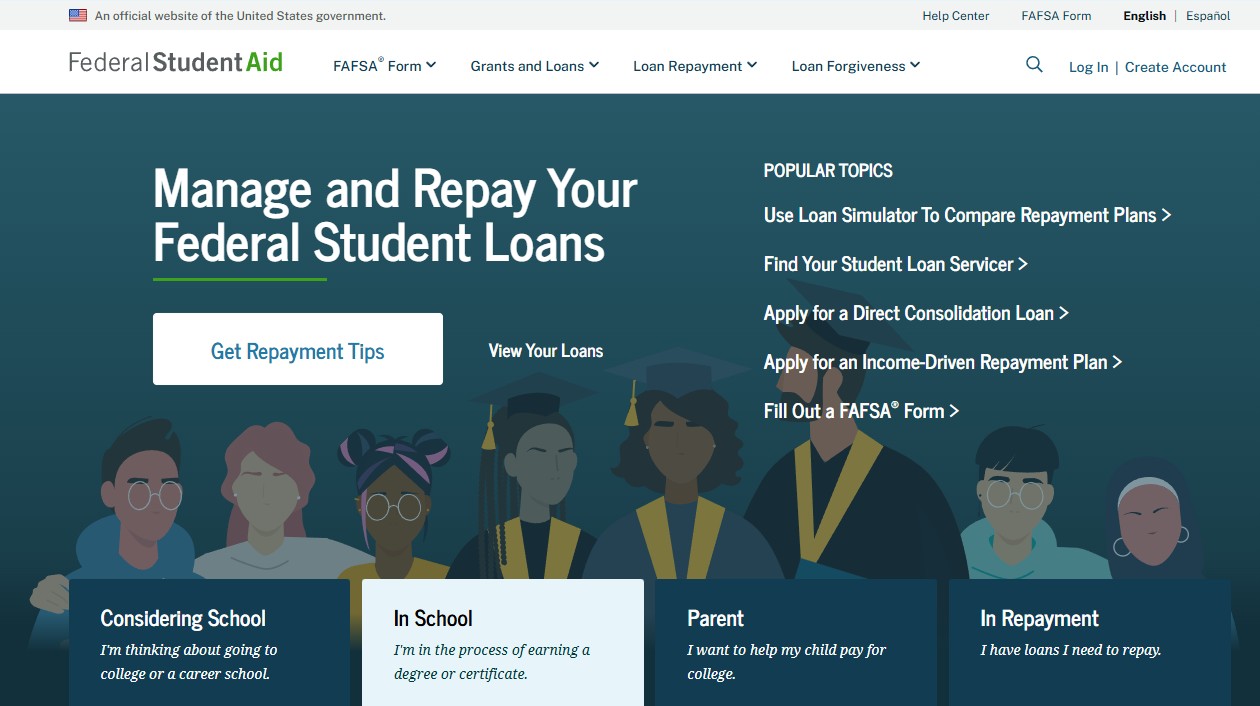
Seriously? yup.
As the Trump administration predicts what it calls the largest tax refund season in U.S. history, millions of Americans behind on federal student loan payments may receive none of their refunds.
The U.S. Department of Education says borrowers whose federal student loans are in default can have their entire tax refund seized, including the Child Tax Credit (CTC) and Earned Income Tax Credit (EITC). Consumer advocacy group Protect Borrowers estimates that roughly 9 million Americans are currently in default on student loans.
The administration resumed federal student loan collections in April, ending a pause that began during the COVID-19 pandemic. While some borrowers saw refunds intercepted last year, 2026 marks the first full tax season in which collections are fully reinstated.
Federal student loans enter default after 270 days of nonpayment. Borrowers concerned about refund seizure should log into StudentAid.gov to confirm their loan status. Those not yet in default may avoid collections by enrolling in an income-driven repayment plan or requesting deferment or forbearance, which temporarily pauses payments.
Borrowers already subject to offset should take action before filing their taxes. Experts say the fastest way to exit default is through loan consolidation, which replaces existing loans with a new federal loan. While consolidation may increase long-term interest costs, it can immediately remove default status.
For borrowers short on time, requesting a six-month tax filing extension—pushing the deadline to October—can provide breathing room while working to resolve default. However, any taxes owed must still be paid by April to avoid penalties.
Advisers recommend calling the Treasury Offset Program shortly before filing to confirm removal from the garnishment list, even after corrective steps are taken.