Study abroad, outbound travel decline…
tourism sector pivots to attract inbound demand
The sharp rise in the Korean won–U.S. dollar exchange
rate is creating a clear divide between winners and losers across trade and travel-related industries.
As of 3 p.m. on the 23rd, the exchange rate stood at 1,488.50 won per dollar, while remittance rates exceeded 1,500 won, significantly increasing the real cost burden for consumers and businesses. Analysts say the 1,500-won range is quickly becoming the “new normal.”
The impact is already being felt across the real economy. A purchasing agent business owner in Los Angeles said monthly sales have dropped 40% to 50% compared to last year as rising exchange rates pushed product prices higher. “Items like underwear and skincare products have become significantly more expensive, and consumers are increasingly turning to markets like Europe or Australia instead of the U.S.,” the owner said.
Korean students studying abroad are also facing mounting financial pressure. With both tuition and living costs rising, many are cutting expenses or taking on part-time jobs. One student said, “I’ve had to reduce spending on dining and adjust my lifestyle, but the burden is still heavy.”
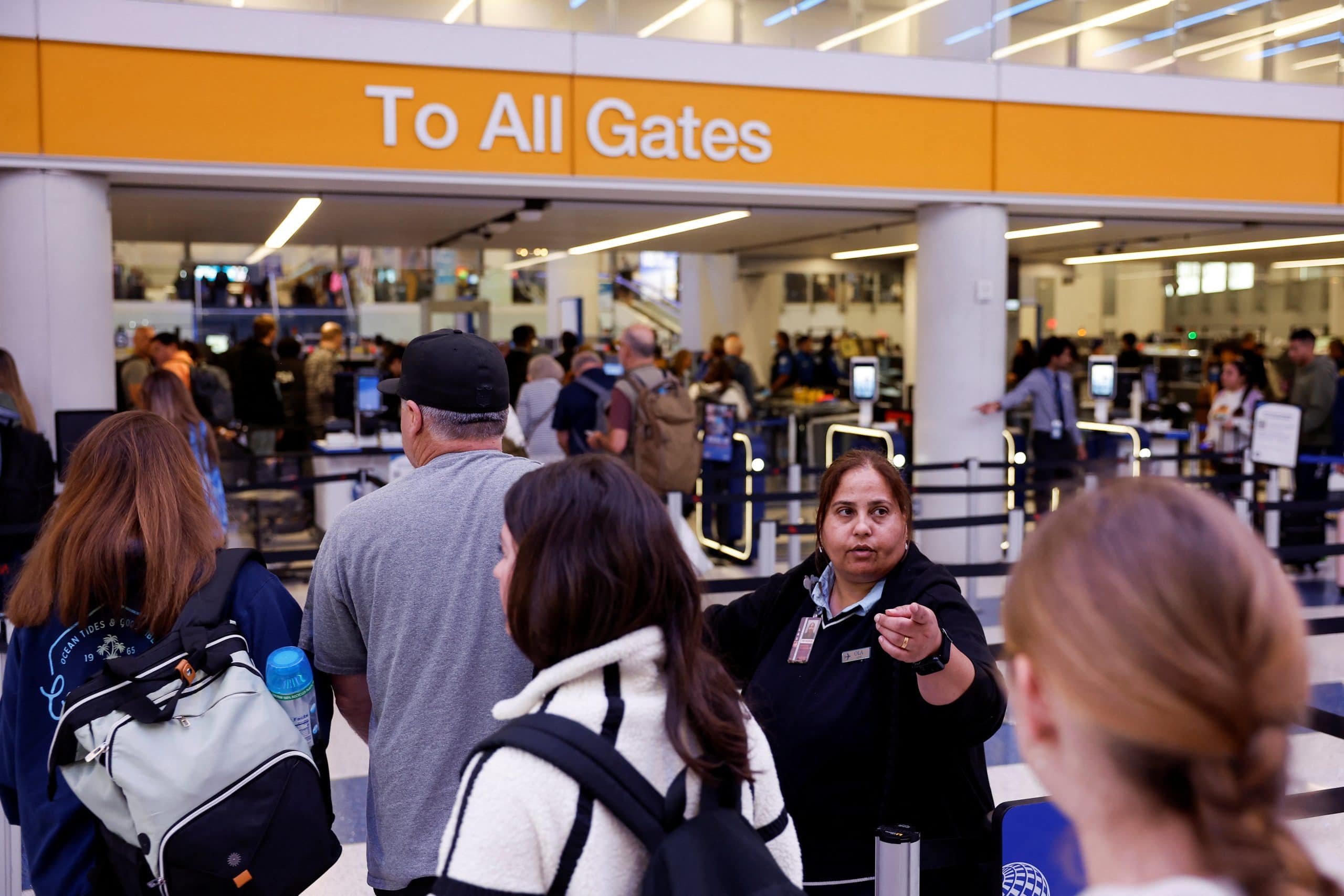
The travel industry is also seeing a slowdown. Outbound travel demand from Korea has weakened as higher exchange rates and airfare costs deter travelers. Many are postponing trips or shifting to domestic or short-haul destinations in Asia.
However, some sectors are benefiting from the strong dollar. Korea’s tourism industry and travel agencies are moving to capitalize on increased inbound demand from overseas, particularly from the U.S. Operators are enhancing competitiveness by adjusting prices and adding incentives such as complimentary options to attract more visitors.
Experts say the exchange rate surge presents both risks and opportunities. “While high exchange rates weigh on consumption and outbound travel, they can boost exports and inbound tourism,” one analyst noted. “Strategic responses by industry will be key in navigating this environment.”