What should have been an ordinary end to a family vacation in Las Vegas turned into a distressing lesson in how easily travelers can be deceived—and why extra caution is now essential when returning rental cars.
On Christmas Eve, a Korean American family visiting Las Vegas had their rental vehicle stolen at the main rental car center near Harry Reid International Airport, after falling victim to a scammer posing as a rental car employee. The incident underscores a growing pattern of impersonation thefts at busy travel hubs, particularly during peak holiday periods when crowds and time pressure lower people’s guard.
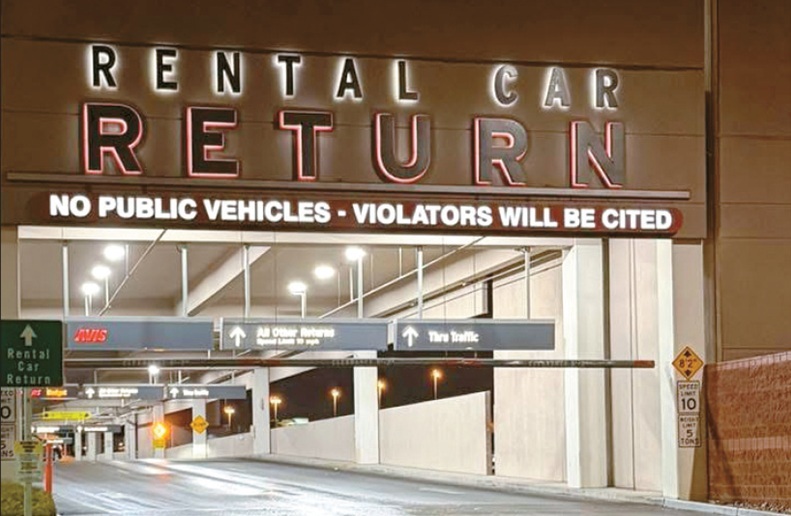
The victim, Ms. Kim, a resident of Fairfax, Virginia, said she and her family—her husband and their high school–aged son—were returning a Hyundai Tucson they had rented for a three-night, four-day trip. They arrived around 7:10 p.m. at the large rental car complex on Gilespie Street, a facility shared by major companies including Alamo, Hertz, Enterprise, Sixt, and Budget.
As they pulled up near the entrance, a white man wearing what appeared to be a staff vest and holding an iPad approached their vehicle. According to Ms. Kim, he spoke confidently and explained that because it was Christmas Eve, the center was extremely crowded. He offered to take care of the return process if they left the car and keys with him at the entrance.
The explanation sounded plausible. The parking area was already full, and the center was busy with travelers rushing to catch flights. Under those circumstances, the man’s appearance and demeanor did not raise suspicion. Trusting what they believed was a helpful employee, the family handed over the keys and headed toward the airport.
The realization came too late.
Just before boarding the airport shuttle, Ms. Kim’s husband returned to the Alamo office to obtain a return receipt—a routine step many travelers overlook. There, staff told him there was no record of the vehicle being returned. At that moment, the family understood they had been deceived. The man who offered assistance was not an employee at all, but a scammer who had driven off with the rental car.
“He looked exactly like staff and acted completely natural,” Ms. Kim said later. “None of us thought, even for a second, that he wasn’t an actual employee.”
Alamo representatives told the family they were the second victims that same day and acknowledged that similar incidents had occurred before. According to the company, about two months earlier, multiple cases were reported involving impostors posing as rental car staff and stealing vehicles using the same tactic.
The family reported the theft to their insurer, Progressive, and paid a $1,000 deductible as instructed. The case is now under investigation by both the insurance company and Las Vegas police. However, because the stolen vehicle was not equipped with a GPS tracker or other theft-prevention technology, the family was told recovery could take months—or may not happen at all.
While the financial damage may ultimately be resolved through insurance, the emotional shock lingers. More importantly, the incident highlights a vulnerability that many travelers are unaware of: rental car return areas are increasingly being exploited by professional scammers who rely on uniforms, confidence, and the chaos of crowded travel days.
The lesson is straightforward but critical. No matter how busy a rental car center appears, customers should always return vehicles directly at the designated return lane or counter, follow official signage, and obtain confirmation—whether a printed receipt, digital notice, or app-based verification—before leaving the premises. Keys should never be handed to anyone unless their identity as an authorized employee is absolutely clear.
Ms. Kim said she chose to share her experience not out of anger, but out of concern that other travelers—especially during the year-end holiday rush—could fall victim to the same scam. “We were lucky it didn’t turn into something worse,” she said. “But I don’t want anyone else to go through this.”
In an age when scams are becoming more sophisticated, and travel environments are more hectic, vigilance is no longer optional. A few extra minutes spent confirming a rental return can prevent weeks—or months—of stress. When it comes to handing over your car keys, convenience should never outweigh certainty.
By Mooyoung Lee [lee.mooyoung@koreadaily.com]