
The Hidden Architect of the Oscars Korean Dance Performance: Da-eun Jung’s “Golden” Moment
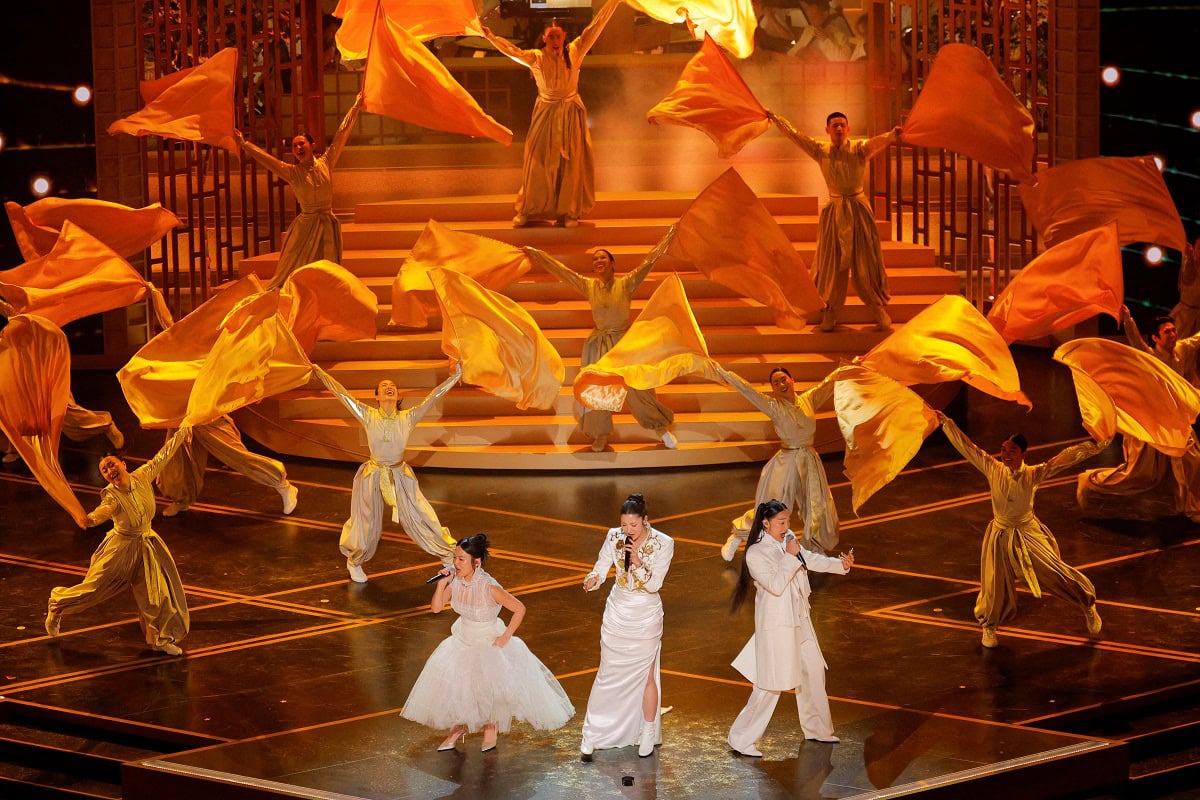
“To light the darkness, we will sing our song.” These haunting lyrics opened one of the most visually stunning segments of the 98th Academy Awards on March 15, 2026. While the world marveled at the “Golden” stage—a high-energy 3-minute and 22-second spectacle blending shamanic ritual with contemporary flair—many wondered how such specific cultural nuances reached the Dolby Theatre. The answer lies with Da-eun Jung, a UC Riverside professor who served as the “Korean Cultural Consulting Choreographer” to ensure the Oscars Korean Dance Performance was as authentic as it was breathtaking.
Bridging Tradition and Hollywood: Avoiding Cultural Appropriation
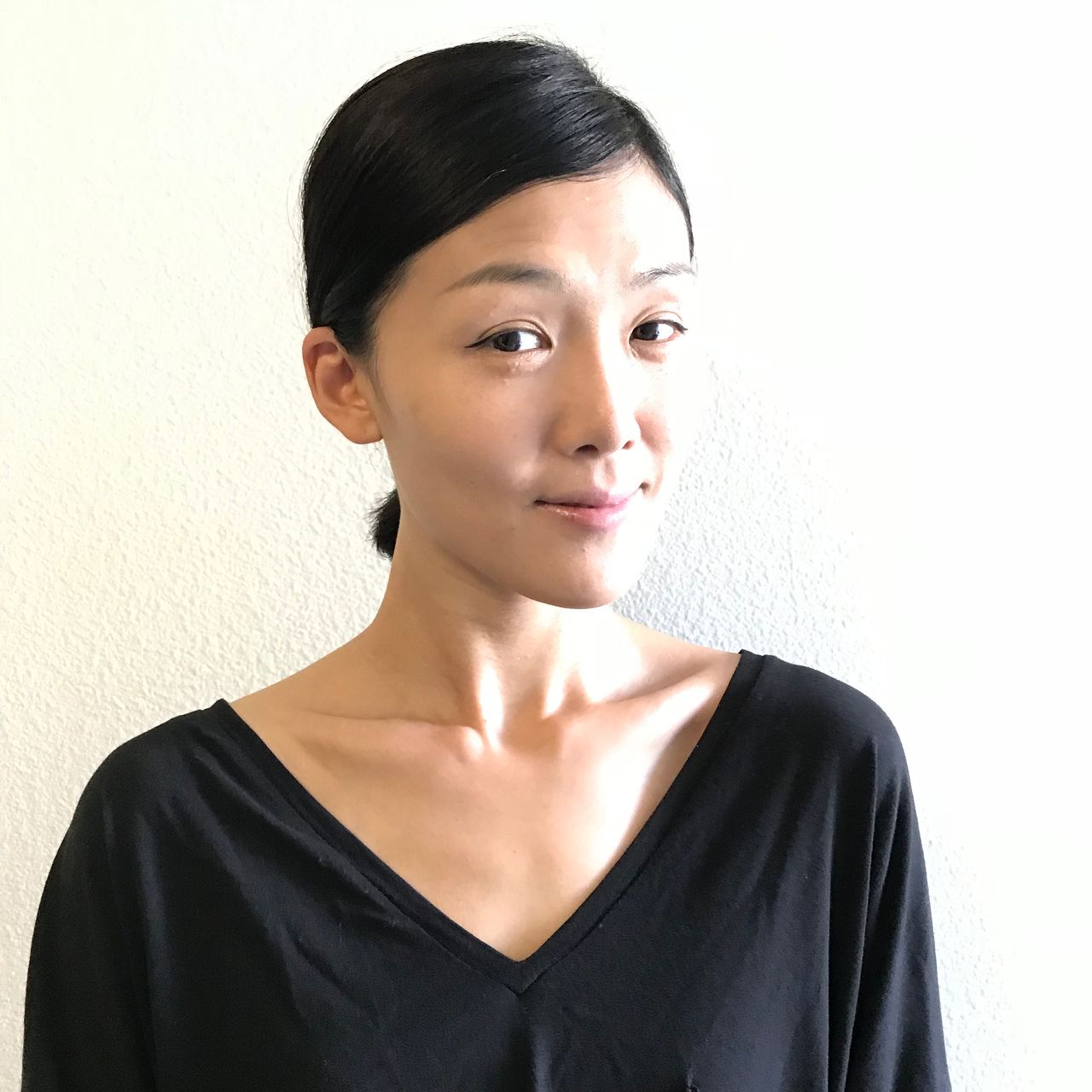
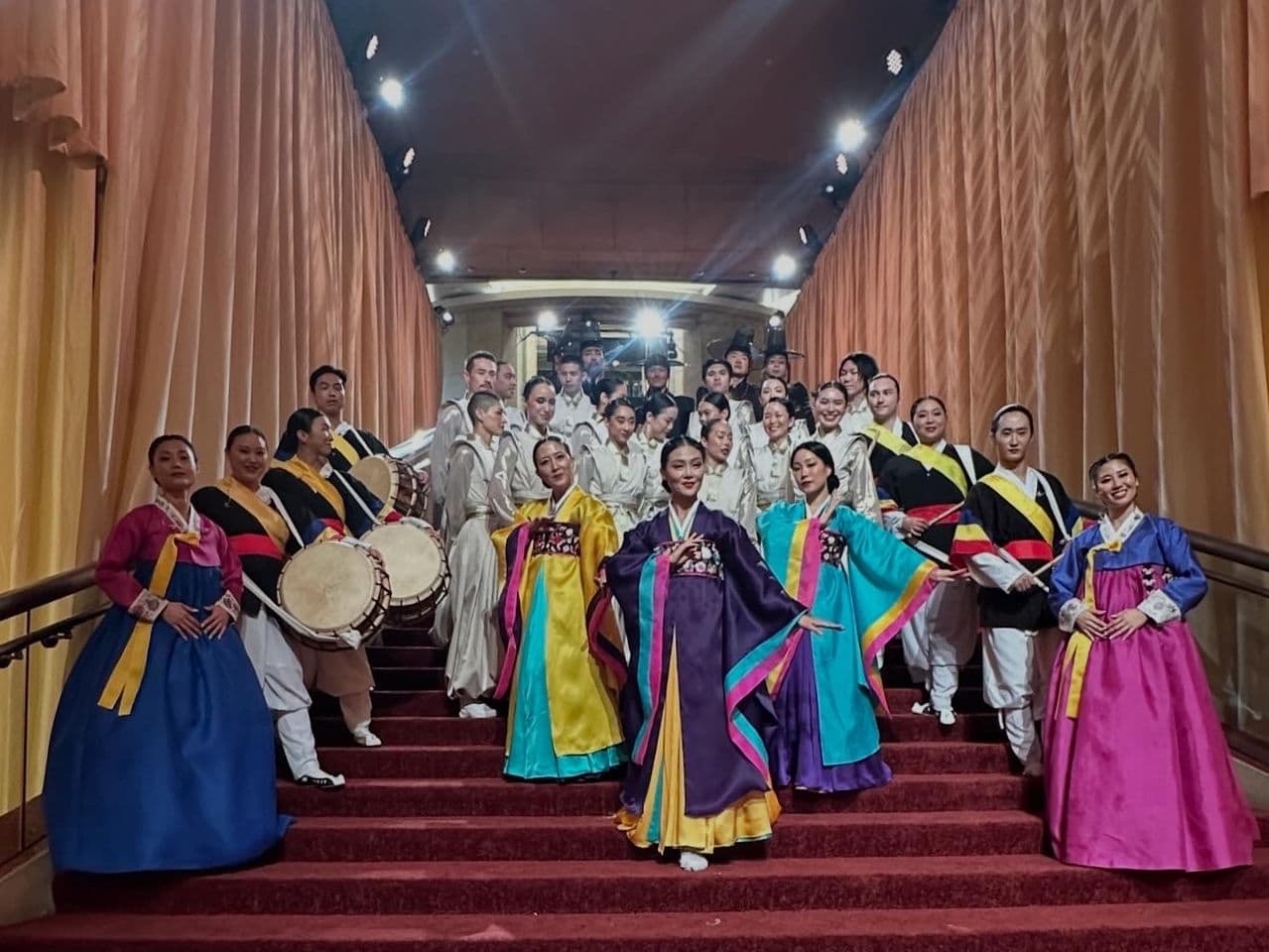
Working alongside famed American choreographer Mandy Moore, Jung’s role went far beyond simple dance steps. She advised on everything from the intricate embroidery of the hanbok to the specific vocalizations of the pansori singers. “The production team was incredibly cautious about cultural appropriation,” Jung noted. By guiding the team through the symbolism of salpuri (a traditional dance to ward off evil) and the power of samulnori percussion, she transformed a Hollywood production into a true cultural exchange. This Oscars Korean Dance Performance featured a cast largely comprised of second- and third-generation Korean Americans, making the moment a historic milestone for Asian representation in the U.S. arts scene.
From Gugak to UCLA: A Life Prepared for the Global Stage
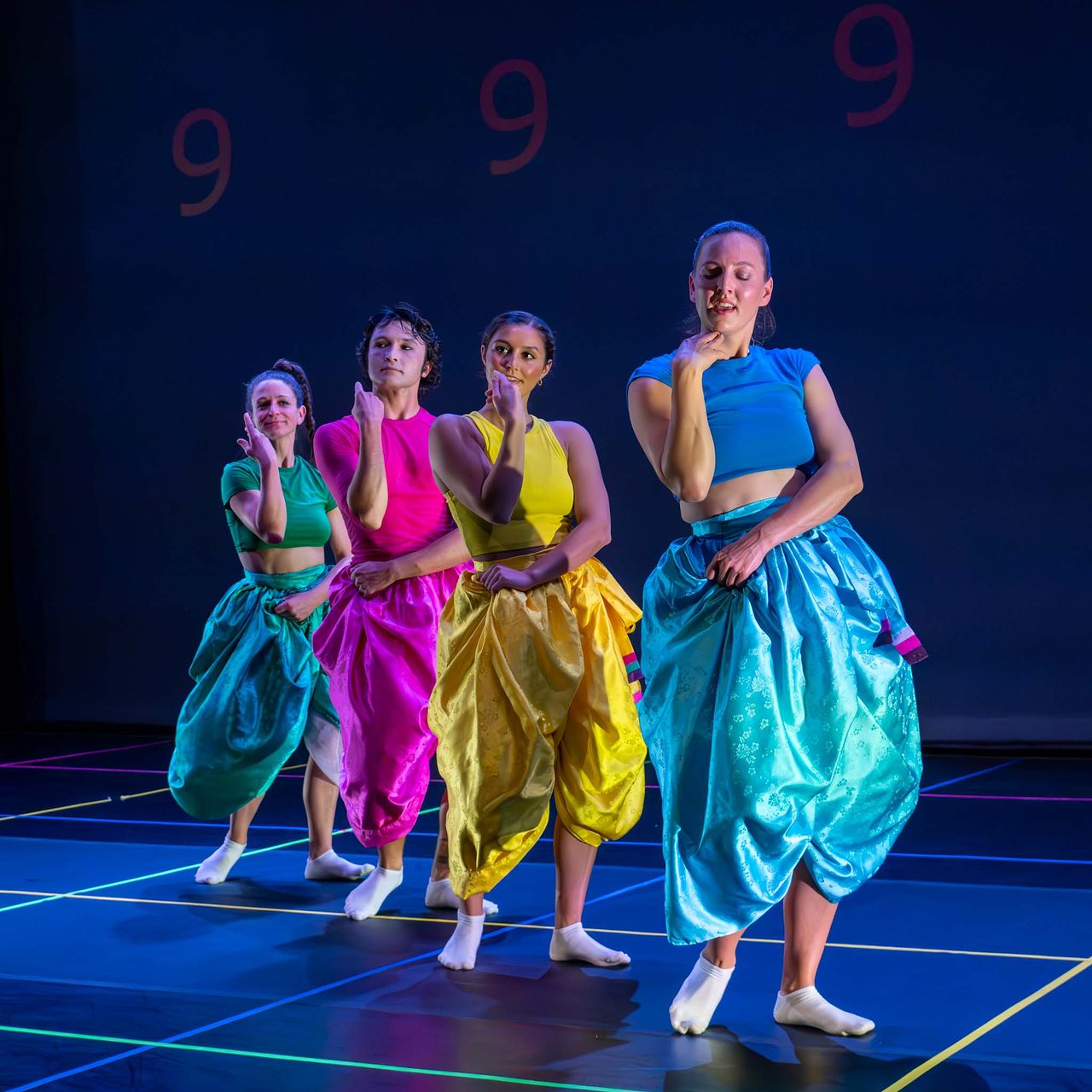
Jung’s background made her the “perfect fit” for the Academy’s ambitious vision. A graduate of Korea’s prestigious National Gugak High School and Ewha Womans University, she later earned her Master’s in Choreography from UCLA. Her unique ability to blend Eastern movement traditions with Western contemporary dance allowed her to reinvent the “previous-generation hunter” characters as shamanic figures for a modern audience. Jung explains that while her work was once labeled as “minority culture,” the success of the Oscars Korean Dance Performance proves that Korean heritage has officially moved from the periphery to the mainstream center of global entertainment.
As she prepares for her next project, “Jakdu,” Jung continues to explore the boundaries of shamanic themes and bodily memory. For the millions watching the 98th Academy Awards, her work served as a reminder that tradition isn’t a static relic of the past—it’s a living, breathing song that can light up the world’s most famous stage.