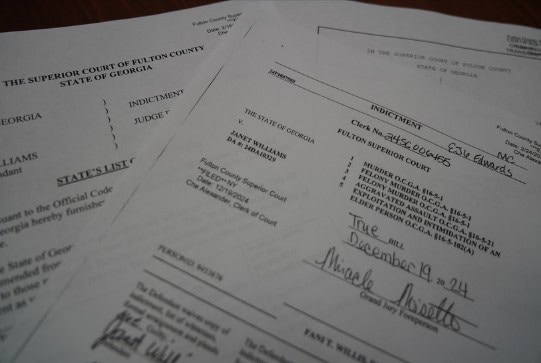
 The Korean elder murder case in Buckhead, Georgia, has taken a troubling turn as its sole suspect was acquitted, raising serious questions about the integrity of the investigation and leaving the case unresolved.
The case centers on the 2024 killing of a 90-year-old Korean American man, identified as Kim Joon-gi. Despite the severity of the crime, prosecutors failed to present decisive evidence. No DNA was recovered from the crime scene, and no blood traces belonging to the victim were found among the suspect’s belongings. Critics argue that the lack of physical evidence points to investigative shortcomings from the outset.
The suspect, who had reportedly treated the victim like a father, also covered funeral expenses through his caregiving company when the victim’s family faced financial hardship. These details have further complicated the narrative surrounding the case.
Investigation Gaps in the Korean Elder Murder Case
Aside from CCTV footage from an elevator, investigators lacked key forms of evidence such as fingerprints, phone records, or digital data. Experts note that in cases without strong forensic evidence, witness testimony becomes crucial.
However, testimony from Korean American seniors was reportedly limited. According to a court interpreter, many elderly witnesses were reluctant to testify due to fears of retaliation and cultural barriers. She emphasized that authorities failed to create a supportive environment for minority witnesses, potentially leaving critical testimony outside the courtroom.
Conflicting Timelines and Witness Accounts
Further controversy stems from inconsistencies between the prosecution’s claims and witness statements. Prosecutors estimated the victim’s time of death at 3 p.m., based on elevator footage showing the suspect visiting the victim’s floor.
However, acquaintances of the victim dispute this timeline, stating they spoke with him as late as 5 p.m. A visiting nurse also confirmed that multiple residents interacted with the victim in the building lobby during that time. Notably, these witnesses were not called to testify during the trial.
Calls for Broader Investigation
Some legal experts have suggested the possibility of a hate crime, given that the victim was both elderly and part of a minority group. One prosecutor, speaking anonymously, argued that the case should not be treated as an isolated incident but rather investigated under federal hate crime statutes to ensure a thorough review.
The apartment complex where the incident occurred is known for its large Korean American population, yet only one Korean witness—aside from the victim’s family—was included in the trial. This has fueled further criticism of the prosecution’s handling of the case.
As the Korean elder murder case remains unsolved, growing concerns over investigative failures and missed opportunities continue to spark debate within the community and beyond.