Korean American kimchi trends in 2025 show that about 6 out of 10 Korean Americans in the United States eat kimchi every day, confirming that kimchi remains a dominant side dish on the Korean American table.
According to US JoongAng Research Center (Research ON), which conducted the “2025 US Korean American Kimchi Trend” survey online on koreadaily.com from November 10–24, 2025, kimchi is still the clear favorite on Korean American dining tables.
Looking at consumption frequency, 36.7% of respondents said they eat kimchi w
ith every meal. Another 25.9% reported eating kimchi one to two times a day. In total, 62.6% of respondents eat kimchi daily. In addition, 31.1% said they eat kimchi three to four times a week, while only a small share answered that they “almost never eat kimchi.” Even in immigrant life, this shows that kimchi continues to hold its place as a core side dish on the Korean American table.
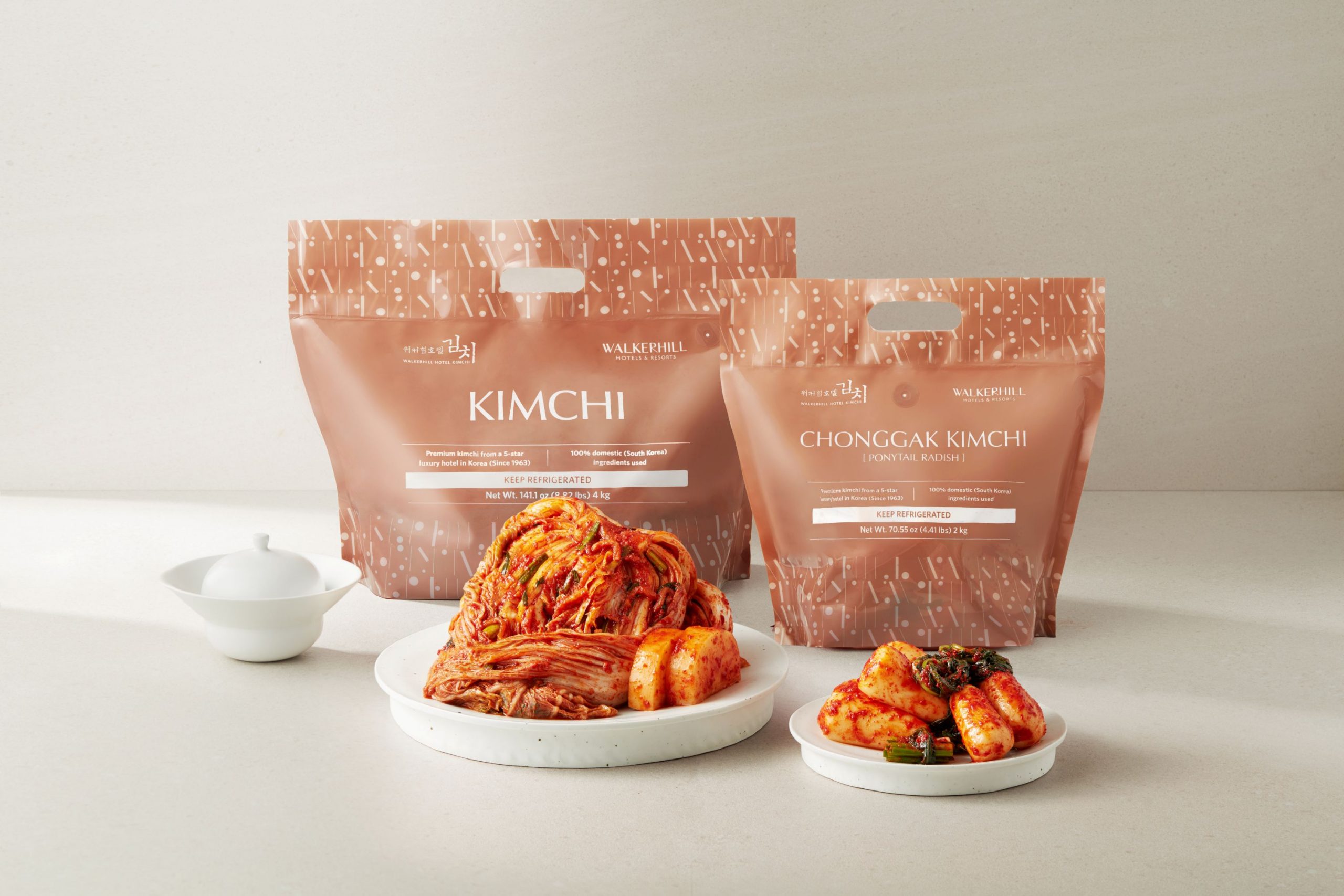
Brand preference was clear. Jongga Kimchi ranked first with 42.7%, followed by Ossine Kimchi at 31.3%, Gaeseong Kimchi at 20.1%, Nonghyup Pungsan Kimchi at 19.4%, Bibigo Kimchi at 11.5%, Haseonjeong Kimchi at 9.2%, and Pulmuone Kimchi at 7.4% among the top choices. Other brands such as Daewon Jangmo Sarang, Hotel Kimchi (Walkerhill), Chinjeong Kimchi, Kimchi Nara, Dongwon Kimchi, and Nonghyup Areumchan Kimchi were also found to have steady, loyal customer bases.
When asked why they prefer certain brands, 86.5% of respondents selected “taste,” an overwhelming majority. Price followed at 23.5%, then freshness at 20.4%, brand recognition at 16.9%, ingredients at 14.1%, and level of spiciness at 4.9%. The decisive factor in choosing kimchi ultimately proved to be “taste preference.”
The survey on purchase locations also highlighted the strength of traditional distribution channels. When asked where they buy kimchi, 90.2% of respondents chose Korean American markets. Costco, general supermarkets, and online orders followed, but their shares were relatively small.
For a single purchase, 49.6% of respondents said they typically spend 10–20 dollars, while 31.3% reported 20–30 dollars, and 11.9% said they spend 30 dollars or more. Despite rising prices, this shows that kimchi has taken root as an essential purchase that consumers do not cut back on.
Looking at the types of kimchi currently consumed, locally produced kimchi ranked highest at 45.9%. Imported kimchi from Korea accounted for 30%. In addition, 20.8% of respondents said they make kimchi at home, which is about 2 out of 10 people. This indicates that, even as imports of Korean kimchi increase, local kimchi producers are steadily improving taste and quality and have earned the trust of Korean American households.
The biggest reason people said they buy ready-made kimchi was convenience, chosen by 80.7% of respondents. Taste followed at 33.6%, then cost at 18.9%, freshness at 8.2%, and hygiene at 6.3%.
By contrast, respondents who make kimchi at home cited hygiene (63.1%) and taste (61.5%) as the most important reasons. Cost (38.7%) and freshness (37.5%) also ranked high. Overall, the responses show a continuing perception that “homemade kimchi is more economical and fresher.”
In terms of preferred kimchi types, baechu pogi kimchi (whole napa cabbage kimchi) ranked first with 74%, reaffirming the central status of napa cabbage kimchi. It was followed by chonggak kimchi (young radish kimchi) at 51.2%, baechu mat kimchi (bite-sized napa kimchi) at 37.1%, yeolmu kimchi (young summer radish kimchi) at 30.8%, pa kimchi (green onion kimchi) at 21.9%, kkakdugi (cubed radish kimchi) at 19.3%, oi sobagi (stuffed cucumber kimchi) at 18.4%, dongchimi (watery radish kimchi) at 12.9%, gat kimchi (mustard leaf kimchi) at 9.2%, and buchu kimchi (chive kimchi) at 8.6%.
A total of 793 people responded to this survey. By age group, those in their 60s and older accounted for 37.2%, followed