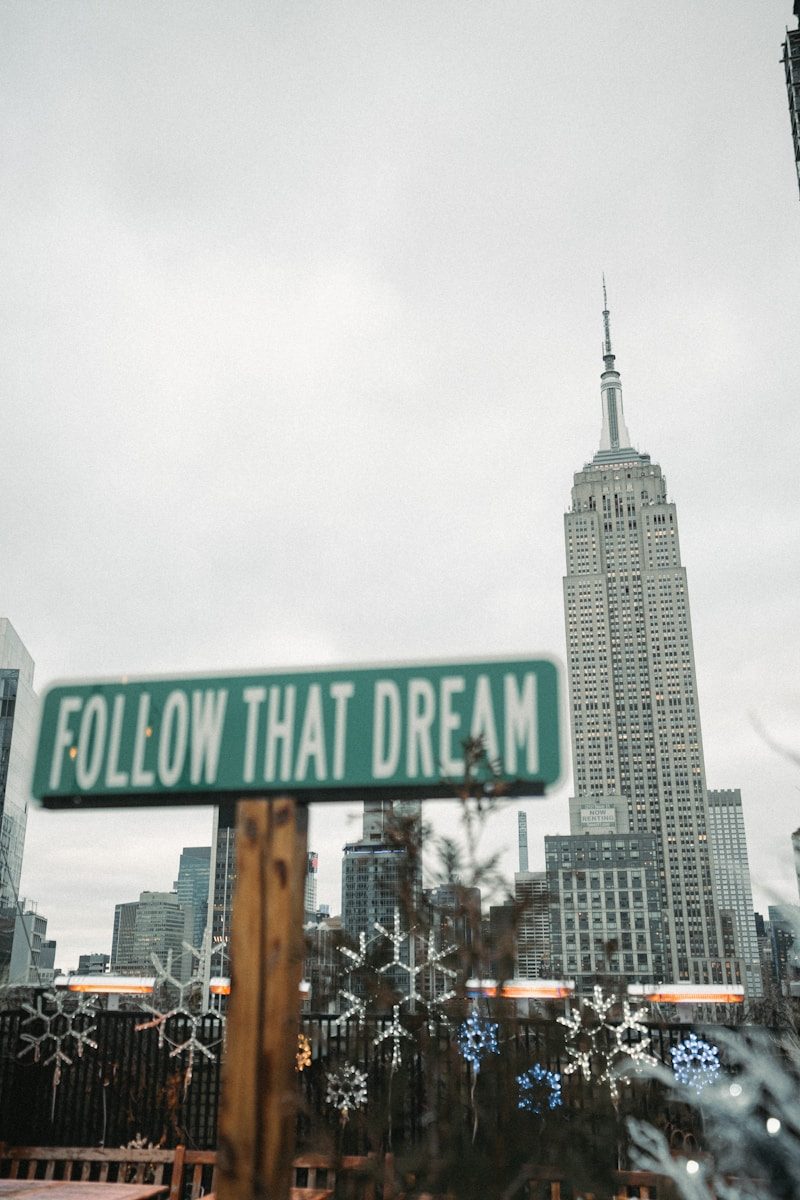
The expression “American Dream” is widely believed to have been first used in 1931 by historian James Truslow Adams. In his book The Epic of America, Adams described the American Dream not as a pursuit of wealth or power, but as “a dream of a land in which life should be better and richer and fuller for everyone, with opportunity for each according to ability or achievement.”
It was the ideal of a society where opportunity is open to all, regardless of origin or background — the promise the United States offered to the world.
Throughout the 20th century, the concept became a powerful social symbol. People from around the globe flocked to the United States because of that promise of opportunity. The belief that one could buy a home, educate children, and build a better future became a driving force of American society. The American Dream meant not merely economic success but the possibility of a better life.
Recent changes in the United States, however, are shaking this long-standing narrative. Increasingly, more people are leaving the country than entering it.
Last year, the United States recorded negative net migration for the first time since the Great Depression. A particularly notable shift is the growing number of American citizens moving to Europe, Mexico, Canada, and Southeast Asia. Some observers have even begun to say that “the new American Dream is leaving America.”
It is difficult to dismiss this phenomenon as a temporary trend. Structural challenges within American society are playing a significant role. Although the U.S. economy remains the strongest in the world, the cost of living is also among the highest. Housing, healthcare, and education costs have become heavy burdens even for the middle class. Home prices and rents continue to climb not only in major cities such as New York and San Francisco but also in smaller metropolitan areas.
At the same time, globalization and digital technology are reshaping where people live and work. The spread of remote work means that one’s workplace and residence no longer need to be in the same location. It has become possible to work for an American company while living in Europe or Southeast Asia. The combination of high U.S. salaries and relatively lower living costs abroad has given rise to a new form of global middle class.
Changing perceptions of quality of life are another key factor. Many European cities offer pedestrian-friendly urban design, public healthcare systems, and relatively stable public safety. Compared with American society — where gun violence and political polarization frequently dominate the headlines — some people feel that everyday life abroad offers greater stability. For parents raising children, these factors often become decisive considerations.
There is also a striking irony. The ability of Americans to relocate overseas is itself a product of the strength of the U.S. economy. High salaries created by Silicon Valley and the financial sector, combined with the expansion of remote work, allow many Americans to pursue new lives abroad. In other words, the prosperity of the U.S. economy has paradoxically created the conditions that make it easier to leave.
So what, then, is the real American Dream?
For Adams, the American Dream was not about becoming rich. It was about a society in which everyone could enjoy a stable life — a society where people could earn opportunities through effort and plan for the future within families and communities. The problem the United States faces today is that this fundamental promise appears to be wavering.
Ultimately, the issue can be distilled into two factors: the cost of living and social stability. The United States remains a country that offers more opportunities than most others. Yet the price of maintaining those opportunities is becoming increasingly high.
At its core, the American Dream depends on a social environment in which people can believe in the future. If the United States hopes to remain an attractive place to build a life, it must restore not only economic opportunity but also quality of life and social stability. Otherwise, the direction of the long-standing story known as the American Dream may continue to change.
BY EUNYOUNG LEE [lee.eunyoung6@koreadaily.com]