The U.S. Department of the Treasury and the Internal Revenue Service have finalized regulations implementing the “No Tax on Tips” provision, expanding the list of eligible occupations and clarifying qualification standards for tax deductions.
The measure stems from the “One, Big, Beautiful Bill,” a policy initiative backed by the White House, and is designed to provide tax relief to tipped workers by allowing certain tip income to be deducted.
Under the final rule, more than 70 tipped occupations are eligible for the deduction, including bartenders, restaurant servers, and transportation workers.
The occupations are categorized into eight sectors, such as:
- Food and beverage services
- Entertainment and events
- Hospitality
- Personal services
- Wellness and beauty
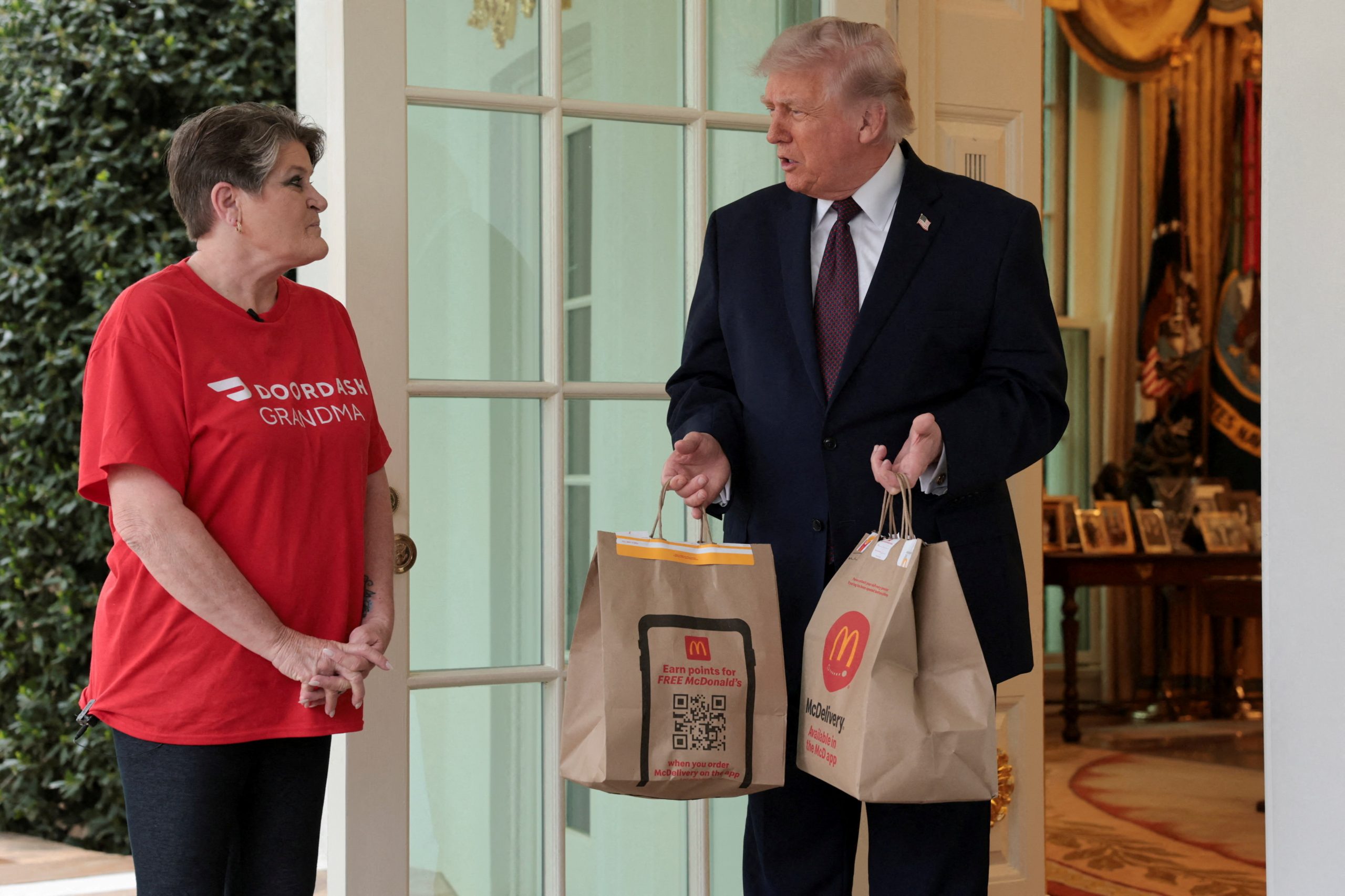
- Transportation and delivery
Newly added roles include visual artists, florists, and gas station attendants, broadening the scope of eligible workers.
To claim the deduction, workers must meet the definition of “qualified tips.”
The IRS clarified that eligible tips must:
- Be paid in cash or cash equivalents (credit cards, mobile payments, etc.)
- Be voluntarily given by customers
- Be received directly or through valid tip-sharing arrangements
However, mandatory service charges—such as automatic gratuities added to large restaurant bills—are excluded if customers cannot modify or decline them.
Only properly reported income qualifies for the deduction. Workers must report tip income through:
- Form W-2
- Form 1099 series
- Or Form 4137
Gig workers and self-employed individuals may also qualify, but their deductions are limited to their net income.
The federal government expects the policy to increase take-home income for tipped workers. Analysts estimate that eligible workers could see 10% to 15% increases in effective income.
The provision allows deductions of up to $25,000 annually and is set to remain in effect through 2028.