
U.S. Immigration and Customs Enforcement (ICE) agents are using facial recognition technology during immigration enforcement operations, photographing individuals in the field to verify identity and immigration status.
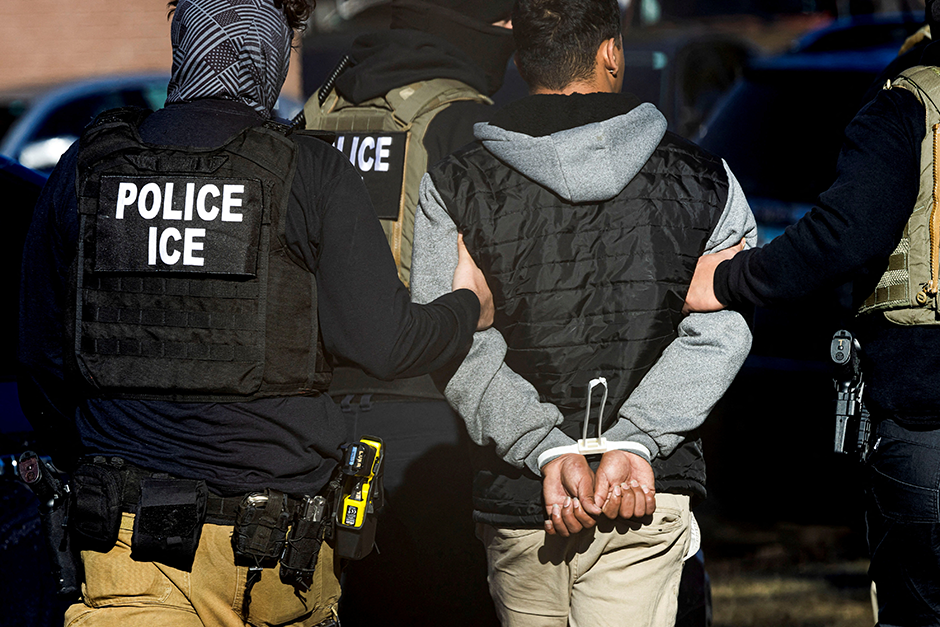
During enforcement actions, ICE agents take facial photographs of individuals using smartphones. The images are used to confirm identity and check immigration status on the spot.
The Wall Street Journal reported on the 4th that ICE has begun using a smartphone application called Mobile Fortify on a routine basis during enforcement operations. In the past, agents were required to enter identifying information into multiple systems separately, and in some cases detained individuals for further verification when results were unclear. With the app, agents can now take a facial photo in the field, search for matching identity records, and simultaneously verify immigration status.
The application has been used more than 100,000 times in enforcement settings. Search results can include government criminal databases, prior contact records with immigration authorities, border arrest records, and verification histories from lawful ports of entry.
According to ICE guidelines, agents do not need prior authorization to take photographs. The agency states that accuracy improves when photos are taken at close range.
The expanded use of facial recognition has raised concerns about privacy and human rights. Civil rights groups warn that the technology allows facial data to be scanned without consent in public spaces, including streets or inside vehicles. The American Civil Liberties Union (ACLU) said facial recognition technology “has the potential to be abused without individual consent.”
In response, the Department of Homeland Security (DHS) said Mobile Fortify is a lawful law enforcement tool designed to help verify accurate identity and legal status during enforcement operations. DHS said the system operates under legal authority and formal privacy oversight, with strict limits on data access, use, and retention. The Wall Street Journal also reported that an analysis of federal contract records showed government spending on surveillance and biometric technologies has increased sharply over the past decade, with related contracts exceeding $30 million this year.
The expansion of technology use coincides with a rapid increase in ICE staffing. DHS announced on the 3rd that a nationwide recruitment campaign hired more than 12,000 new ICE agents in about four months. According to the agency, staffing levels increased from about 10,000 agents to approximately 22,000, representing an increase of about 120%. The expansion of field personnel and the introduction of new technology have proceeded at the same time, contributing to faster enforcement operations.
As enforcement intensifies, deaths in immigration detention facilities have also increased. The British newspaper The Guardian reported on the 4th that 31 people died in ICE custody in 2025, the highest annual total in more than 20 years. Those who died included individuals who had applied for asylum or were preparing to do so, as well as long-term residents who had lived in the United States since childhood.
BY HANKIL KANG [kang.hankil@koreadaily.com]