Amazon, long known for everyday essentials, is expanding into high-priced categories ranging from automobiles to luxury goods, positioning itself as a platform for high-end online shopping.
According to a recent report by The Wall Street Journal, one Amazon shopper purchased an $8 USB cable, a $90 electric shaver, and a $45,000 Hyundai Santa Fe in a single Amazon cart in April. The purchase is seen as a potential indicator of the future revenue model Amazon has pursued for years through its high-value merchandise strategy.
Amazon has spent nearly a decade persuading automakers, luxury brands, and premium appliance makers to sell on its platform. Many companies initially resisted, arguing that their products did not belong alongside everyday items or counterfeit risks. That stance shifted sharply after the pandemic, as online shopping adoption surged.
Data from the U.S. Census Bureau show that e-commerce accounted for 9% of total retail sales in the second quarter of 2018, rising to 15.5% this year. Companies increasingly accepted the reality that they must operate where consumers choose to shop.
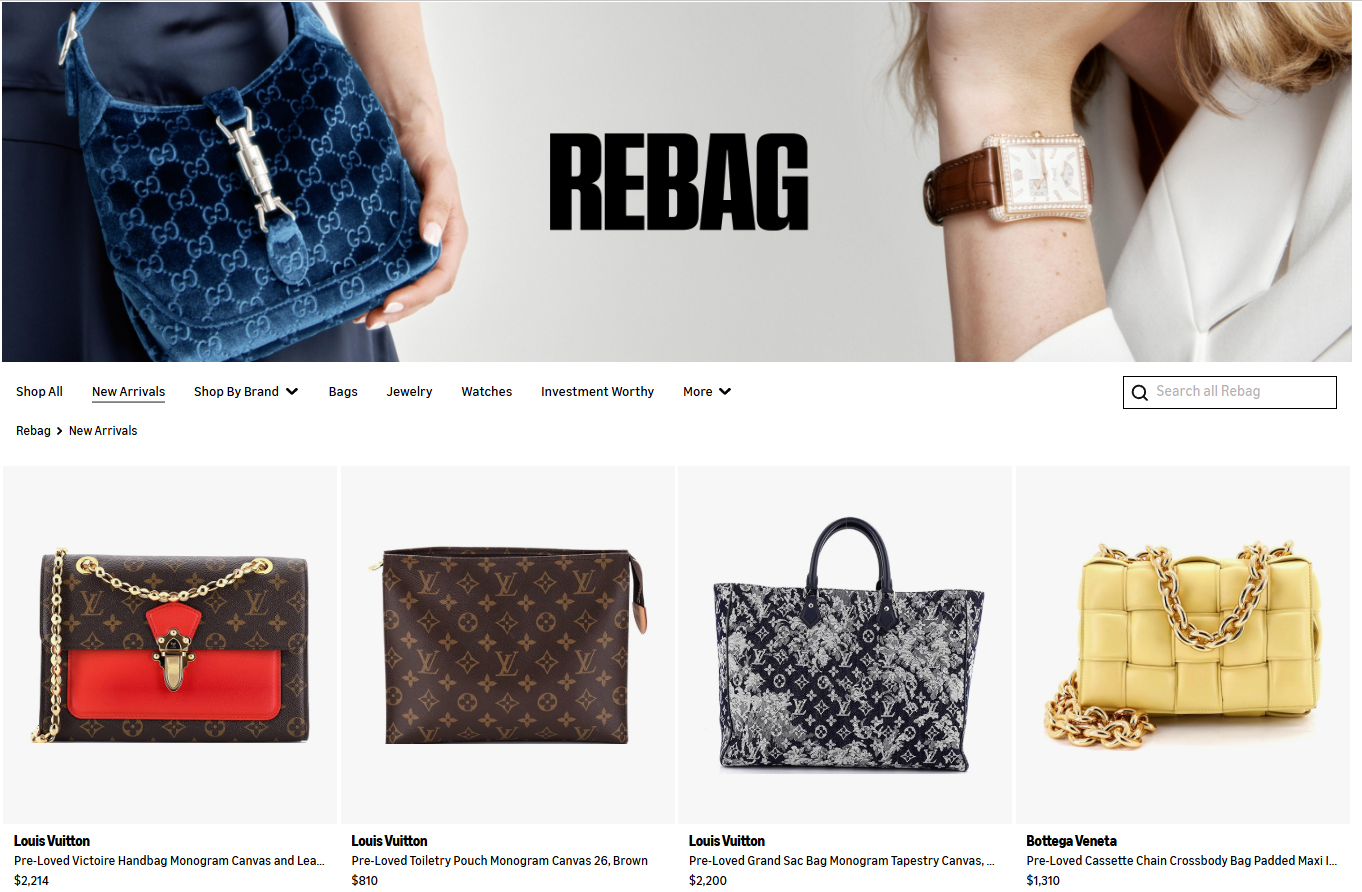
As a result, during this year’s Black Friday season, customers could browse luxury footwear from department store chain Saks Fifth Avenue on Amazon and purchase Hermès Birkin bags and Rolex watches from luxury resale company Rebag.
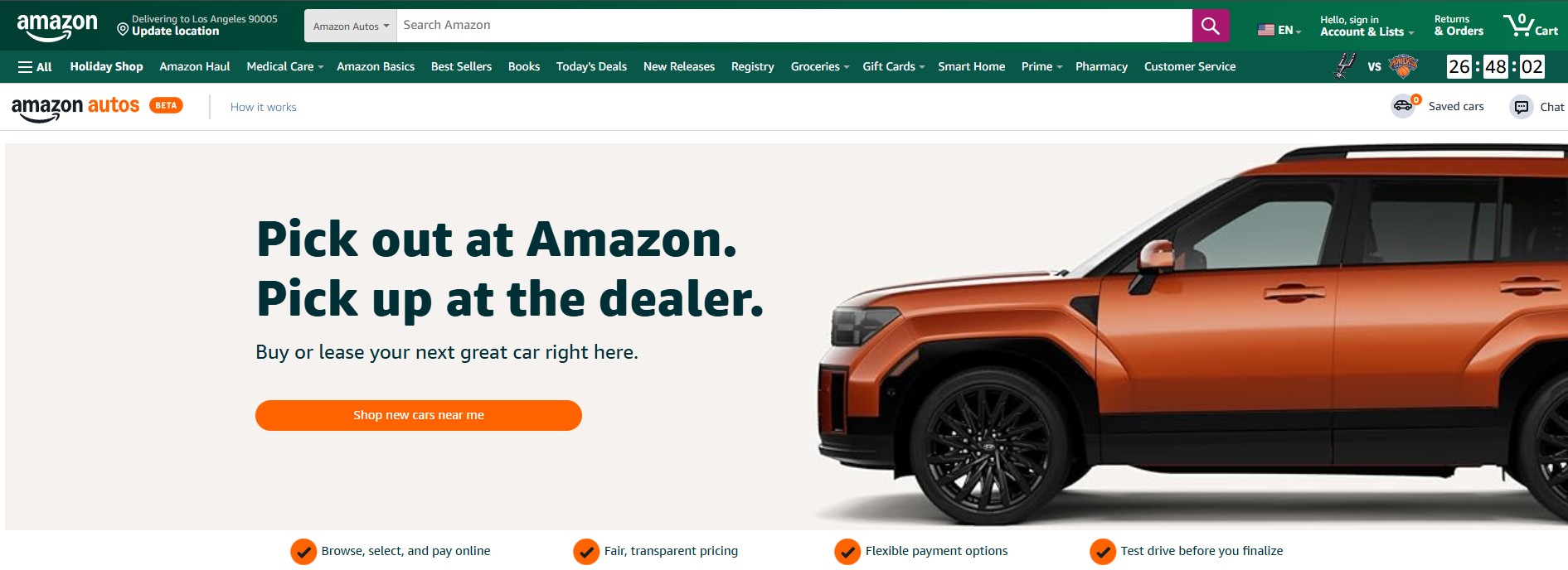
Automobiles have also become part of Amazon’s expanding lineup. Ford recently joined the platform to sell used vehicles, following Hyundai and Hertz, further broadening Amazon’s high-ticket offerings.
Experts attribute growing consumer willingness to buy expensive products on Amazon to the platform’s guarantees, return policies, and delivery reliability. These factors reduce anxiety associated with high-value purchases, while price comparison tools, simplified checkout, and membership benefits add to the appeal.
Consumers who purchased vehicles through Amazon cited trust in the platform as a key factor. Customers who purchased cars on Amazon said buying a car on Amazon was uncommon but added that he trusted the company and believed in Amazon’s assurances. Amazon’s vehicle purchase process allows customers to complete selection and financing paperwork online before visiting a designated dealership to take delivery.
Shifts in purchasing behavior are already visible among Amazon customers. According to market research firm CIRP, about 10% of Amazon customers spend more than $1,000 annually on the platform. Although fewer than 1% spend over $10,000 a year, Amazon’s 200 million Prime members mean the absolute number of high-spending customers remains substantial.
Luxury resale company Rebag reported that sales since joining Amazon have exceeded initial expectations, with particularly strong demand for Louis Vuitton, Gucci, and Saint Laurent bags.
Competition among retailers is also intensifying. In response to Amazon’s push into high-end categories, Walmart has expanded luxury and premium electronics offerings through its Walmart+ membership program, targeting higher-income consumers.
Sky Canaves, an analyst at eMarketer, said both Amazon and Walmart are competing to meet nearly all consumer needs on a single platform, adding that high-priced merchandise has become the frontline of that rivalry.
BY HOONSIK WOO [woo.hoonsik@koreadaily.com]