Remembering and supporting Korean War veterans is not merely an act of respect but a crucial step toward strengthening the U.S.–South Korea alliance, according to attorney and commentator Gordon Chang. Speaking at the Conservative Political Action Conference held March 28 in Grapevine, Texas, Chang emphasized that honoring those who fought in the Korean War is a moral obligation, not a choice.
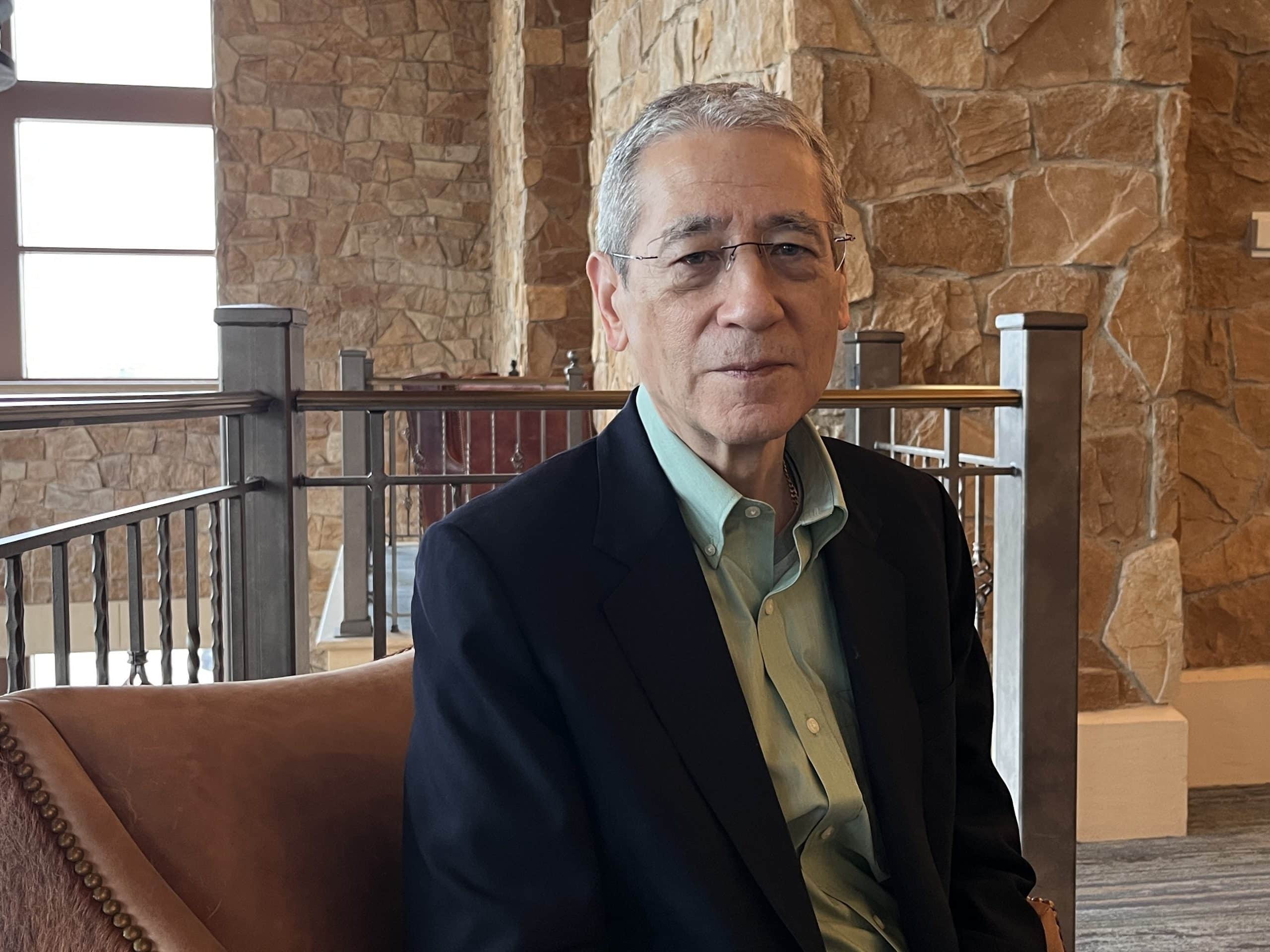
“Remembering those who fought for us in 1950 is not a choice—it is a duty,” he said, underscoring that the Korean War remains unfinished. While active combat ceased with the 1953 armistice, he stressed that the war itself has never formally ended. “The fighting stopped in 1953, but the war did not end. North Korea continues to threaten South Korea, and in many ways, this war is still ongoing,” Chang said, expressing concern that the conflict is too often referred to as the “Forgotten War.” He warned that fading public awareness weakens both historical responsibility and present-day security.
Chang argued that remembering Korean War veterans is directly tied to current geopolitical realities. With roughly 28,500 U.S. troops still stationed in South Korea and North Korea continuing its nuclear development and military provocations, the Korean Peninsula remains what he described as the “front line of freedom.” “Remembering these veterans reminds us of the need to maintain a strong state of readiness,” he said, adding that such remembrance plays a key role in strengthening the alliance and deterring North Korean aggression.
His commitment to supporting Korean War veterans, he explained, stems from a sense of moral responsibility. After meeting veterans at a Korean-related event in Fort Lee, New Jersey, he became more actively involved in related efforts. He recently hosted a luncheon for members of the Korean War Veterans Association and their families and donated $2,000 to the organization. He said he plans to continue attending events, sharing veterans’ stories through social media and other platforms, and providing ongoing support to related groups.
Among the most urgent issues, Chang pointed to the need for the repatriation of prisoners of war. “Likely, North Korea is still holding POWs,” he said, noting that many would now be in the final stages of their lives. “Efforts to bring them home must never stop.”
Chang also emphasized the importance of restoring public awareness of the Korean War, particularly in the United States. While acknowledging the presence of the Korean War Veterans Memorial in Washington, D.C., he said memorials alone are not enough. He called for stronger educational efforts to ensure younger generations understand what happened on the Korean Peninsula in 1950 and recognize that the division continues to this day. He added that the Korean American community must play a leading role in preserving this historical memory and passing it on to future generations.
He also offered a critical view of the South Korean government, arguing that support for U.S.-based Korean War veterans has been insufficient. “There is a tendency to treat the war as something that belongs to the past,” he said, attributing this to political and ideological perspectives. He stressed that the Korean American community must help fill this gap by actively preserving and promoting awareness of the war’s legacy.
Concluding his remarks, Chang highlighted the enduring lesson of the Korean War: the value of freedom. “The Korean War was a war to defend freedom,” he said, referencing former President Ronald Reagan. “As Reagan said, freedom is never more than one generation away from extinction. That is why we must remember—and educate.”