Did you see it?
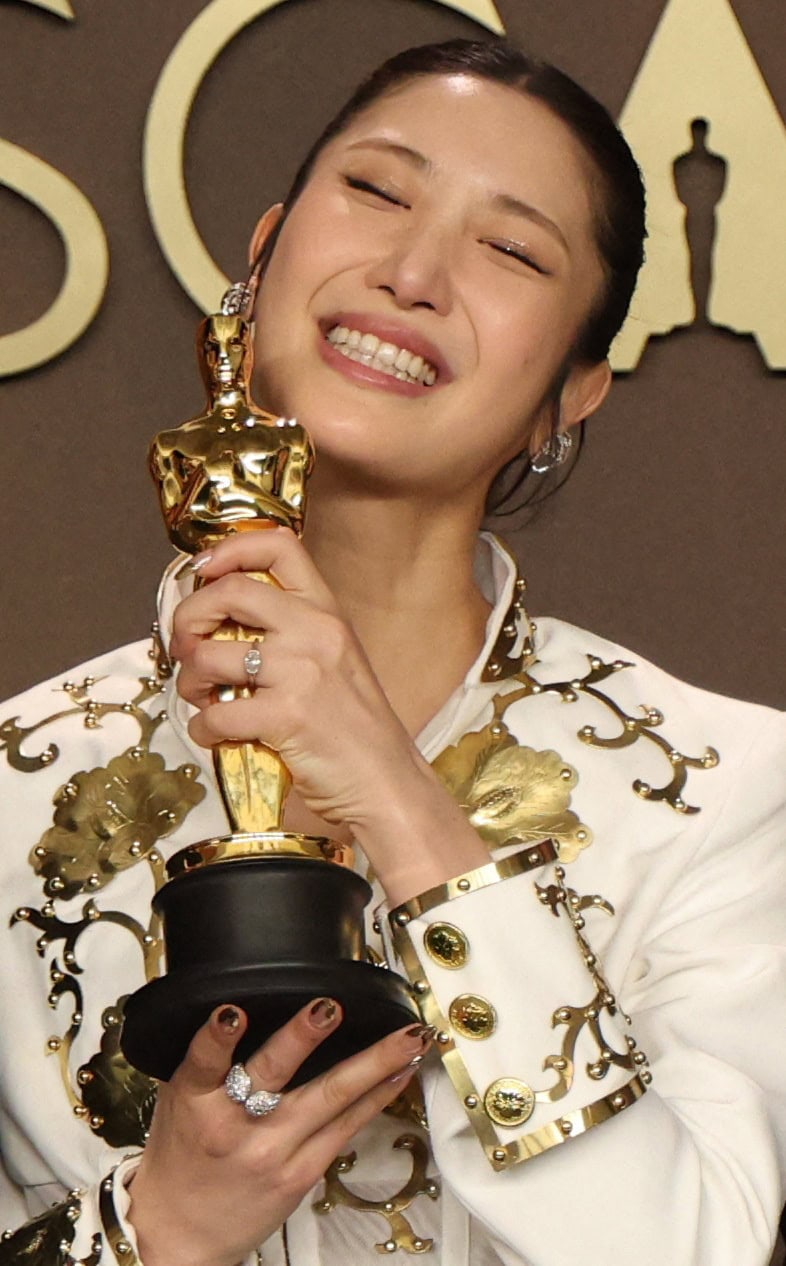
This year’s Oscars were more than just an awards ceremony—they marked a defining moment for Korean culture on the global stage. With two Korean winners and a K-pop–centered celebratory performance, the night became one of the most visibly “Korean” in the Academy’s history.
Few would have expected the Oscars stage to be filled so prominently with Korean elements. While Korean films have gained recognition in the past, this level of presence—spanning film, music, performance, and message—felt different. It was not just a win, but a reflection of where K-culture stands today.
Director Maggie Kang’s acceptance speech stood out as one of the most powerful moments of the night:
“For those of you who look like me… This is for Korea and for Koreans everywhere.”
Her words went beyond gratitude—they were a statement about identity and representation. After seven years of dedication to complete her film, her humility and sincerity resonated deeply with audiences around the world.
Another major highlight came from EJae, leader of the group Huntrix, who won Best Original Song. However, the moment was overshadowed by controversy when her microphone was cut off during her acceptance speech. While it is common for award shows to limit speech time with music cues, this incident drew criticism and raised questions about whether meaningful moments were being cut short.
For Korean audiences and fans, what should have been a historic and celebratory moment was partially disrupted. A more thoughtful response from organizers may still be needed.
Despite the controversy, her speech was brief yet heartfelt:
“We feel very grateful and honored… We’re just so happy that the hard work paid off.”
Her words captured the collaborative spirit behind the achievement.
Still, beyond the controversy, this year’s Oscars marked a turning point. What stood out most was how proudly the winners embraced their Korean identity.
In the past, many first-generation immigrant parents hoped their children would assimilate—speaking perfect English and blending into American society—as a means of survival. Ironically, it is that next generation that is now standing on the world stage, using their Korean identity as a source of strength and proudly declaring, “I am Korean.”
That shift is powerful—and inspiring.
This moment will likely encourage a new wave of artists and creators, opening the door for even more stories to be told.
We are surely witnessing the beginning of something bigger.
Brian Choi [ichoi@koreadaily.com]