The “New Normal” for Grads: Why the Entry Level Job Market 2026 Feels Like a Trap
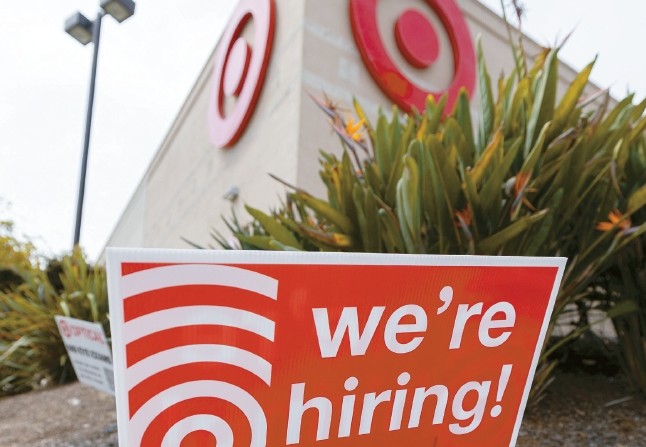
The latest March employment report shows a slight rebound, but for recent college graduates, the celebration is short-lived. Despite a national unemployment rate of 4.3%, the entry level job market 2026 is proving to be a minefield of high expectations and shrinking opportunities. Young professionals are no longer holding out for their dream careers; instead, many are flooding the applications for part-time roles just to keep their heads above water.
According to the Bureau of Labor Statistics (BLS), while the economy added 178,000 jobs in March, the youth segment is lagging behind. New York Fed data reveals that the unemployment rate for grads aged 22–27 has climbed to 5.7%, with “underemployment”—working jobs that don’t require a degree—hitting a post-pandemic high of 42.5%.
The AI Shadow and the “Stability First” Mindset
The anxiety surrounding the entry level job market 2026 isn’t just about a lack of openings; it’s about a fundamental shift in how work is done. A staggering 89% of graduates expressed fear that Artificial Intelligence (AI) will replace entry-level tasks, and recent layoff trends suggest those fears aren’t unfounded.
Faced with this uncertainty, the “hustle culture” of the past decade is being replaced by a desperate search for security:
-
Safety Over Salary: 67% of graduates say they’d choose a lower-paying, stable job over a high-risk startup.
-
The Experience Gap: Companies are becoming hyper-selective, prioritizing “ready-to-work” talent over fresh grads who need training.
-
Sector Shifts: While Healthcare and Construction are hiring, the once-coveted Finance and Government sectors are tightening their belts.
Navigating a Market That Demands More
Even Fed Chair Jerome Powell has noted the disconnect, stating that while the general market is resilient, it remains a “difficult environment for newcomers.” The message to the Class of 2026 is clear: technical skills and adaptability are no longer optional—they are survival tools.
As companies lean into AI and “selective hiring,” the threshold for entry has never been higher. For now, the strategy for many seems to be “get a foot in the door, even if it’s a side door.”
The transition from campus to career has always been a rite of passage, but in 2026, it’s looking more like an endurance test. If you’re a recent grad feeling the squeeze, remember: you aren’t failing—the market is shifting.
BY YEONGCHAE SONG [song.yeongchae@koreadaily.com]