
Last year, the U.S. Embassy in Seoul announced that all Koreans applying for U.S. visas must disclose their social media (SNS) accounts. According to reports, the State Department uses artificial intelligence (AI) to search and analyze visa and immigration applicants’ social media activity. If an applicant has posted content critical of the U.S. government or its politicians, that information may be taken into account during the visa review process.
Such measures show that the U.S. government’s “AI-driven analysis and surveillance” is no longer theoretical—it is becoming reality. Recently, Immigration and Customs Enforcement (ICE) announced that it is building an “immigration OS” system. This is not merely a tool for processing immigration cases, but an integrated surveillance infrastructure that consolidates tax records from the Internal Revenue Service (IRS), health insurance data, welfare benefits such as food stamps, and border entry and exit records into a single system.
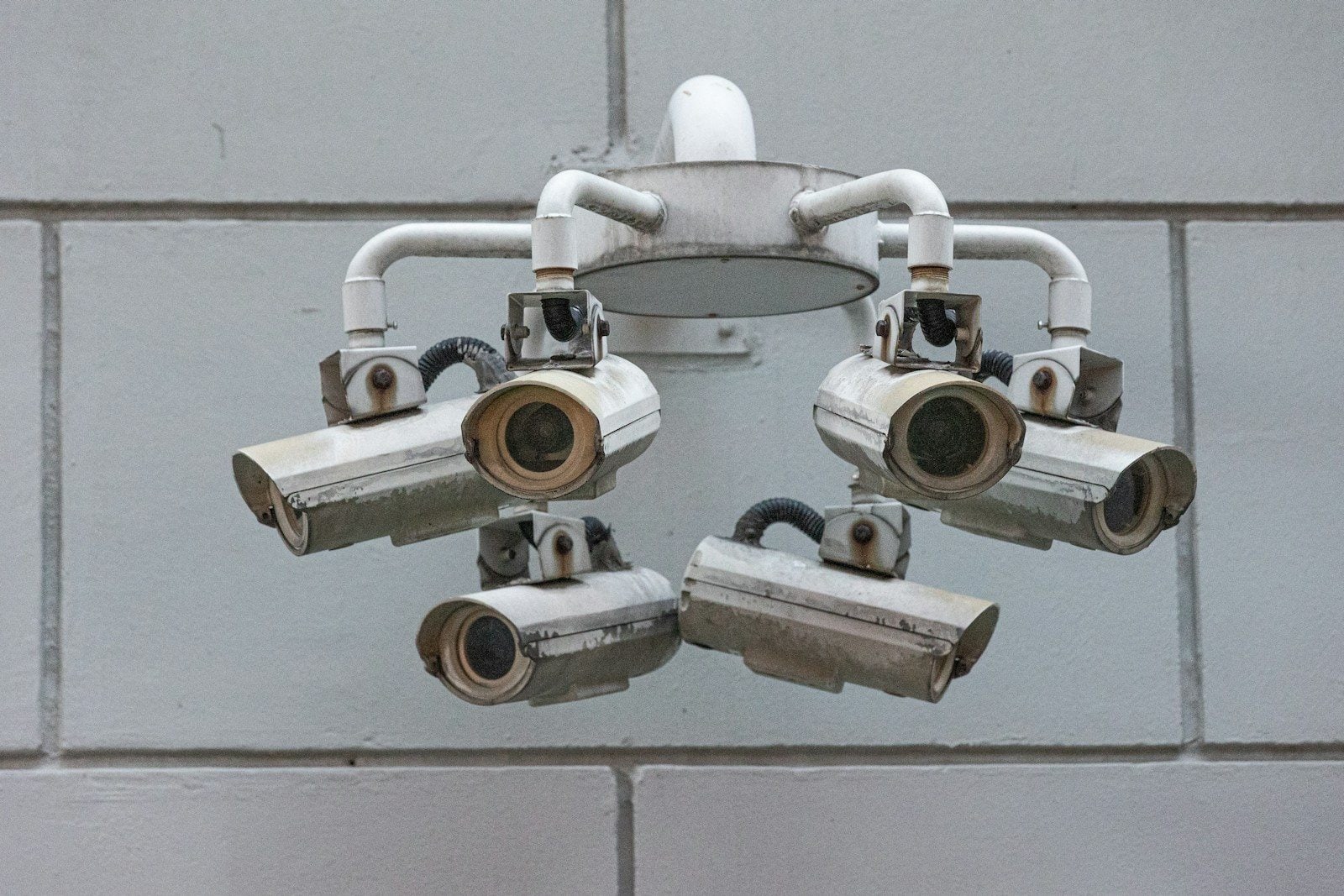
The problem is that this system does not target only “non-citizens.” It aims to collect biometric data from immigration sponsors, track recipients of food assistance programs, and reconstruct individuals’ “life patterns” through network analysis. The web of surveillance is already seeping into the daily lives of citizens. As a result, immigrants—regardless of their legal status—become hesitant to visit medical institutions and preemptively give up applying for welfare services. This creates what is known as a “chilling effect,” where individuals are unable to voice their opinions or claim their rights.
The lesson from AI surveillance practices in immigration services is clear. Surveillance infrastructure may begin by targeting a specific group, but once established, it becomes difficult to prevent its expansion in scope and purpose. Systems originally designed for immigration enforcement may be used to track protesters, and border-control technologies may be repurposed for urban surveillance.
Technology is not value-neutral. Depending on who uses it, for what purpose, and under what controls, it can become either a tool for democracy or an instrument of repression.
The immigration surveillance system is also expected to have significant effects on the Korean American community. One concern is that participation rates among immigrants, including Koreans, in the 2030 Census could decline sharply. If AI surveillance continues, there is no guarantee that census records containing personal information—such as names, dates of birth, and addresses—will not later be used for immigration enforcement. The U.S. government has already used census data once before, in 1941 during World War II, when it interned Japanese American citizens. Although the government has since promised that “census data will never be used for other purposes,” the introduction of AI surveillance systems suggests otherwise.
The United States must not become a “surveillance society.” The more personal data the government collects, the more public trust declines. Data integration without transparency breeds fear, and fear in turn becomes a social cost. As a result, more immigrant families will avoid medical care, low-income households will forgo welfare benefits, and mixed-status families will refuse to respond to the census. Ironically, strengthened surveillance may ultimately undermine the accurate data collection necessary for policymaking.
Government surveillance is not just an issue for immigrants. Once established, AI surveillance infrastructure can shift its target at any time. A system aimed at “them” today can be turned toward “us” tomorrow. The way to prevent this is through voting. In the upcoming November midterm elections, voters must act to curb AI-driven surveillance of immigrants.
 By Jongwon Lee
The author is an attorney.


![Tulsi Gabbard, center, director of National Intelligence (DNI), testifies before a Senate Intelligence Committee hearing on Capitol Hill in Washington, D.C., U.S., March 18, 2026. [REUTERS]](https://www.koreadailyus.com/wp-content/uploads/2026/03/0318-Gabbard-100x70.jpg "North Korea ICBM can strike U.S. mainland, intelligence chief warns")
