Cesar Chavez Day controversy reshapes Farm Workers Day in Los Angeles
Cesar Chavez Day controversy is reshaping how Los Angeles commemorates farm labor activism, as the city moves away from honoring the iconic labor leader and instead focuses on the broader contributions of agricultural workers.
For decades, March 31 — the birthday of labor organizer Cesar Chavez (1927–1993) — had been observed as Cesar Chavez Day. This year, however, the annual commemoration has shifted to Farm Workers Day, reflecting growing debate over Chavez’s legacy following recent allegations.
Community gathering reflects changing tone
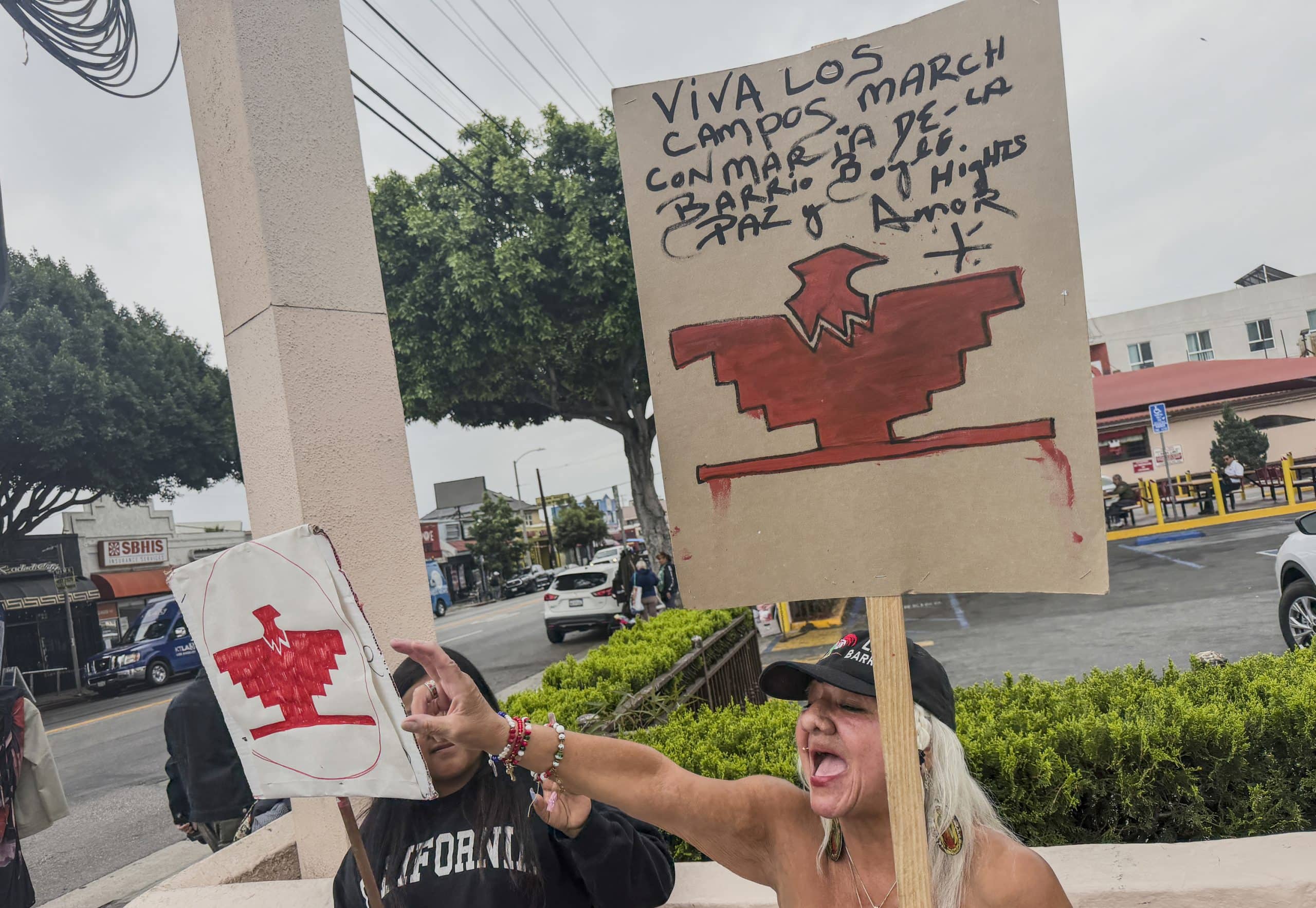
At 11 a.m. on March 31, community activists and residents gathered along Cesar E. Chavez Avenue in the Boyle Heights neighborhood to show support for farm workers.
The atmosphere differed noticeably from previous years. Until recently, the street had drawn crowds celebrating Chavez’s legacy, with parades and visitors posing for photos near murals honoring the labor leader.
During the gathering, Maria Delabarrios held a protest sign bearing the black eagle emblem of the United Farm Workers, painted in red. The sign read in Spanish: “Long live farm workers, peace and love.”
Delabarrios, who described herself as a peace activist, said she attended the event to speak out for justice for agricultural workers.
“When I first heard the allegations, I cried a lot,” she said. “It was painful to learn that someone who represented farm workers could have done something like that. But the efforts and sacrifices of farm workers fighting for justice should not be dismissed.”
Debate over Chavez’s legacy intensifies
The current Cesar Chavez Day controversy has triggered broader discussions about how public figures are commemorated.
The street where the gathering took place was originally known as Brooklyn Avenue. It connects downtown Los Angeles and Boyle Heights and was renamed Cesar E. Chavez Avenue in 1994 following a decision by the Los Angeles City Council.
Jose Gonzalez, 58, who operates a street stand near the avenue, said Chavez had long been considered a hero to his generation. However, he said the recent allegations have made him reconsider.
“If these accusations are true, it would be difficult to continue honoring his name,” Gonzalez said. “I hope Mayor Karen Bass considers restoring the street’s original name, Brooklyn Avenue.”
Local resident Rosa Alvarado, 47, said the controversy highlights the risks of building social movements around a single individual.
“This situation shows how dangerous it can be when a movement idolizes one leader too much,” she said. “Farm workers built this movement together, but now it feels like their efforts are being overshadowed by one person’s scandal.”
She added that future education efforts should focus more on the collective struggles and sacrifices of agricultural workers rather than individual leaders.
Cesar Chavez Day controversy fuels reevaluation of public memorials
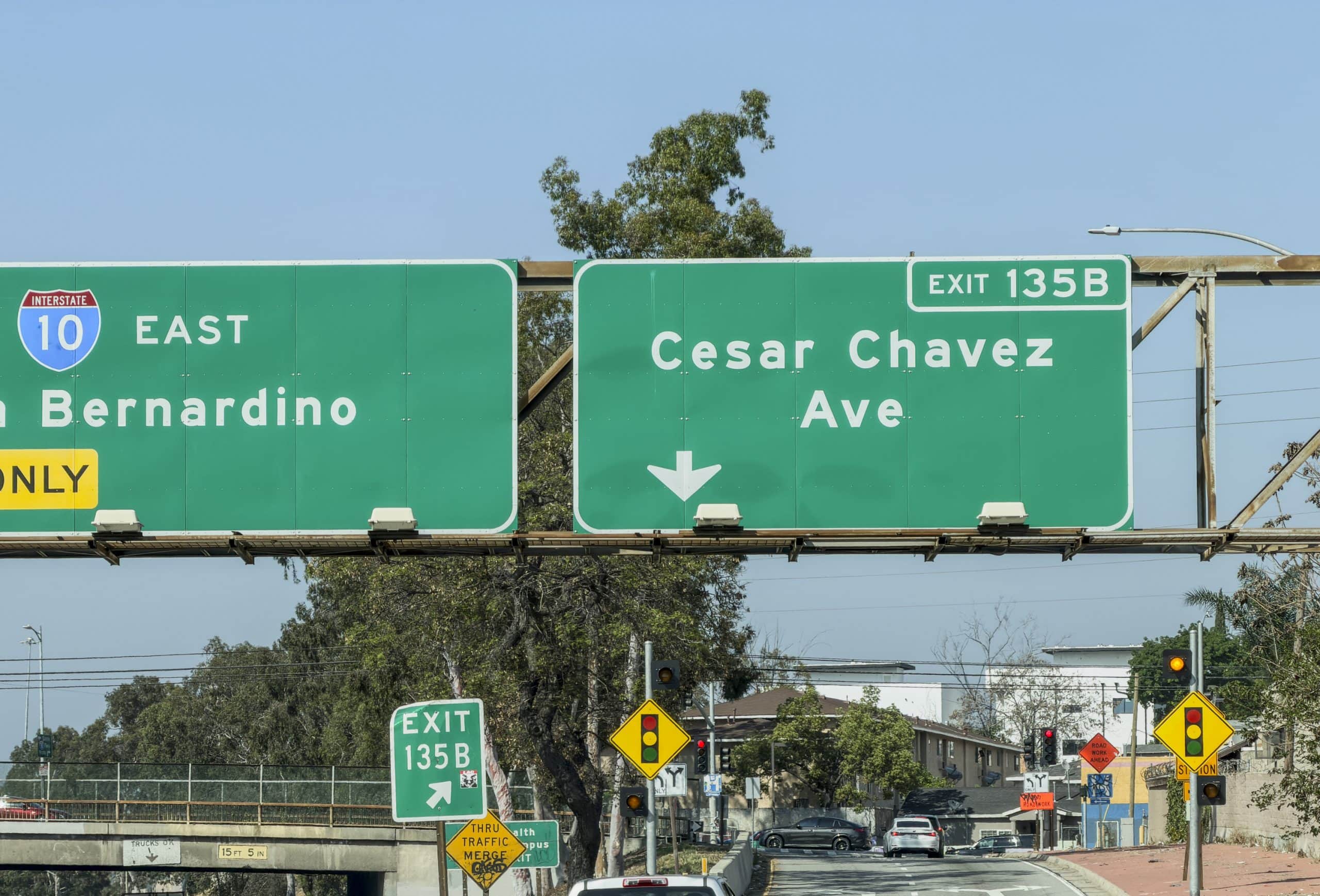
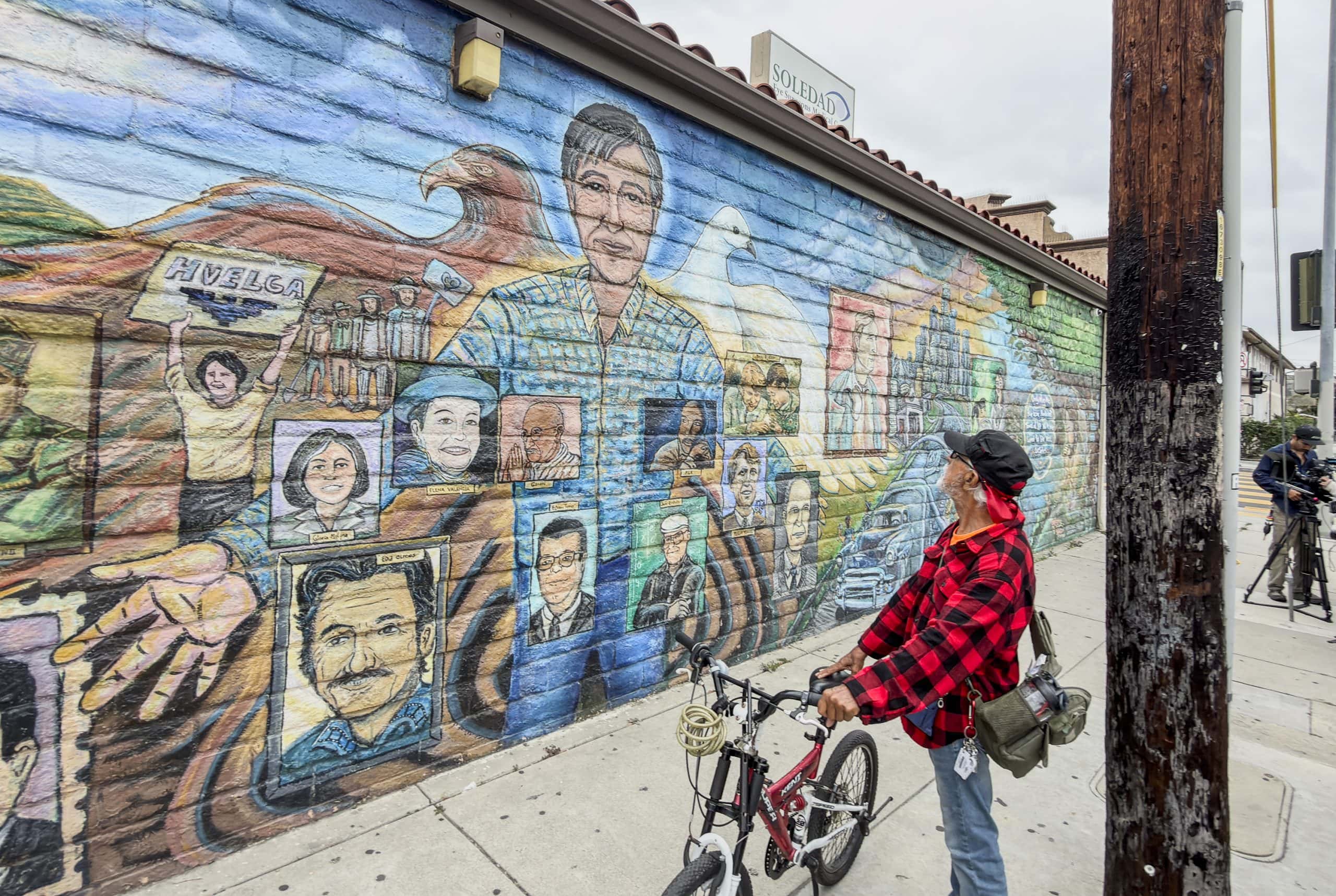
Across Los Angeles, Chavez’s name remains attached to numerous public landmarks, including streets, schools, parks, murals, statues, and freeway signs. Many of these tributes were established after the 1990s as Chavez became widely recognized as a symbol of the farm labor movement.
However, the Cesar Chavez Day controversy has prompted political leaders and community groups to reconsider how those public spaces are named and commemorated.
Allegations that Chavez sexually abused minors and assaulted female colleagues during the 1960s and 1970s have recently resurfaced, intensifying the debate surrounding his historical legacy.
Background: Cesar Chavez Day
Cesar Chavez Day was originally established to honor Chavez’s leadership in the farm labor movement and his advocacy for the rights of agricultural workers.
In 2000, California became the first state to designate March 31 — Chavez’s birthday — as an official state holiday. Later, former President Barack Obama proclaimed Cesar Chavez Day as a federal commemorative observance.
Former President Joe Biden also highlighted Chavez’s legacy by placing his portrait in the Oval Office at the start of his presidency, underscoring Chavez’s long-standing status as a symbolic figure within progressive political circles.