Insurance companies are obtaining driver behavior data from automakers, fueling debate over consent as car data sharing becomes more common in newer vehicles.
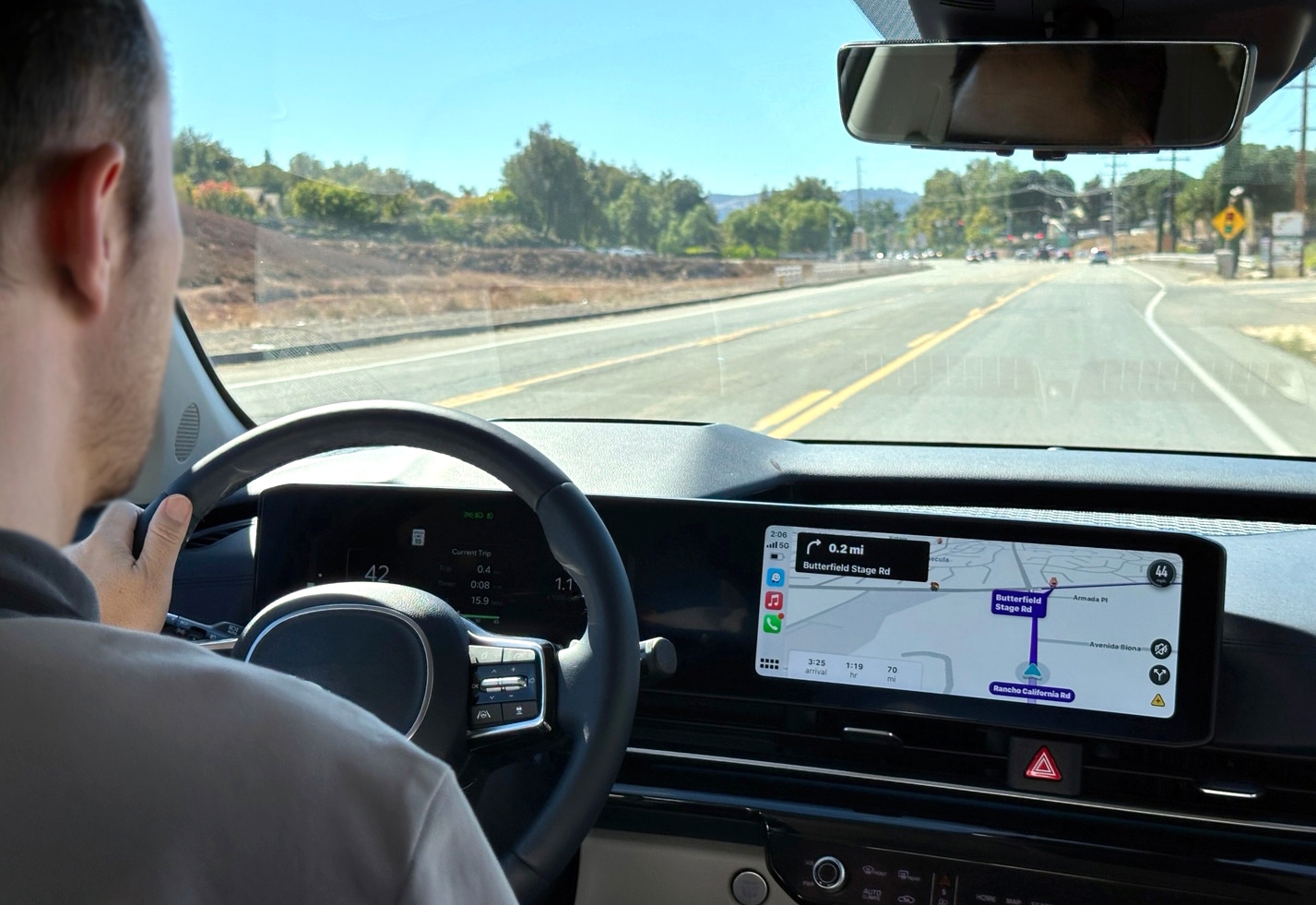
A recent report by CNN described the case of Philip Siefke, a Florida resident, who braked suddenly while driving his RAV4 one day before shopping for new auto insurance. In less than 24 hours, while getting a quote from Progressive, he learned the insurer already had a record of the incident.
Schiffke called the insurer to object and asked where the detailed driving information came from. He was told the data had been provided by Toyota and collected through the vehicle’s telematics system (a driving data collection device), according to the report.
Schiffke said he did not remember agreeing to provide the data. The insurer responded that “most consumers consent to research programs or data collection during the vehicle purchase process.”
An automotive strategy advisory firm, , said about 90% of new vehicles currently on the road collect driver behavior data, and that many automakers sell the information to third parties, including insurers.
Consumers must agree to data collection and use when buying a vehicle, but those provisions are often buried in detailed paperwork tied to pricing, loans, warranty terms, and other documents.
Automotive analyst Sam Abuelsamid of said the consent may meet legal requirements, but many consumers do not realize they have agreed to it.
Schiffke said he was directly harmed by higher insurance costs. Despite maintaining an accident- and violation-free record and expecting to pay less than $300 a month, he said his premium rose to more than $400 at renewal six months later without explanation.
He filed a lawsuit against Toyota, Progressive, and a data provider.
The Federal Trade Commission (FTC) issued a consumer warning in 2024 saying the collection and sale of driving data is widespread across the auto industry.
Even so, enforcement has been limited. Last month, the FTC ordered General Motors (GM) and its subsidiary OnStar, a remote diagnostics service, to stop selling consumer data for the next five years, saying they did so without giving adequate notice and obtaining clear consent. GM said it had already ended the program one year earlier after consumer backlash.
Automakers say they collect the data to improve vehicle safety and performance. They point to features that automatically notify manufacturers when a vehicle problem occurs to help with maintenance.
The Alliance for Automotive Innovation said vehicles are designed to generate and transmit data and said the practice is for driver safety, not surveillance.
Consumer groups and the FTC, however, have raised concerns about potential privacy violations. The FTC said vehicles can collect large amounts of sensitive personal information, which could threaten consumers’ privacy and financial stability.
Toyota said it provides driving data to third parties only when customers give clear consent and direction. Progressive did not issue a separate statement.
BY HOONSIK WOO [woo.hoonsik@koreadaily.com]