
Traffic violation fines in California are again facing criticism for being excessively high due to hidden fees and multiple add-on funds that can multiply the base penalty several times over. Critics say some of these extra charges have little or no connection to traffic safety.
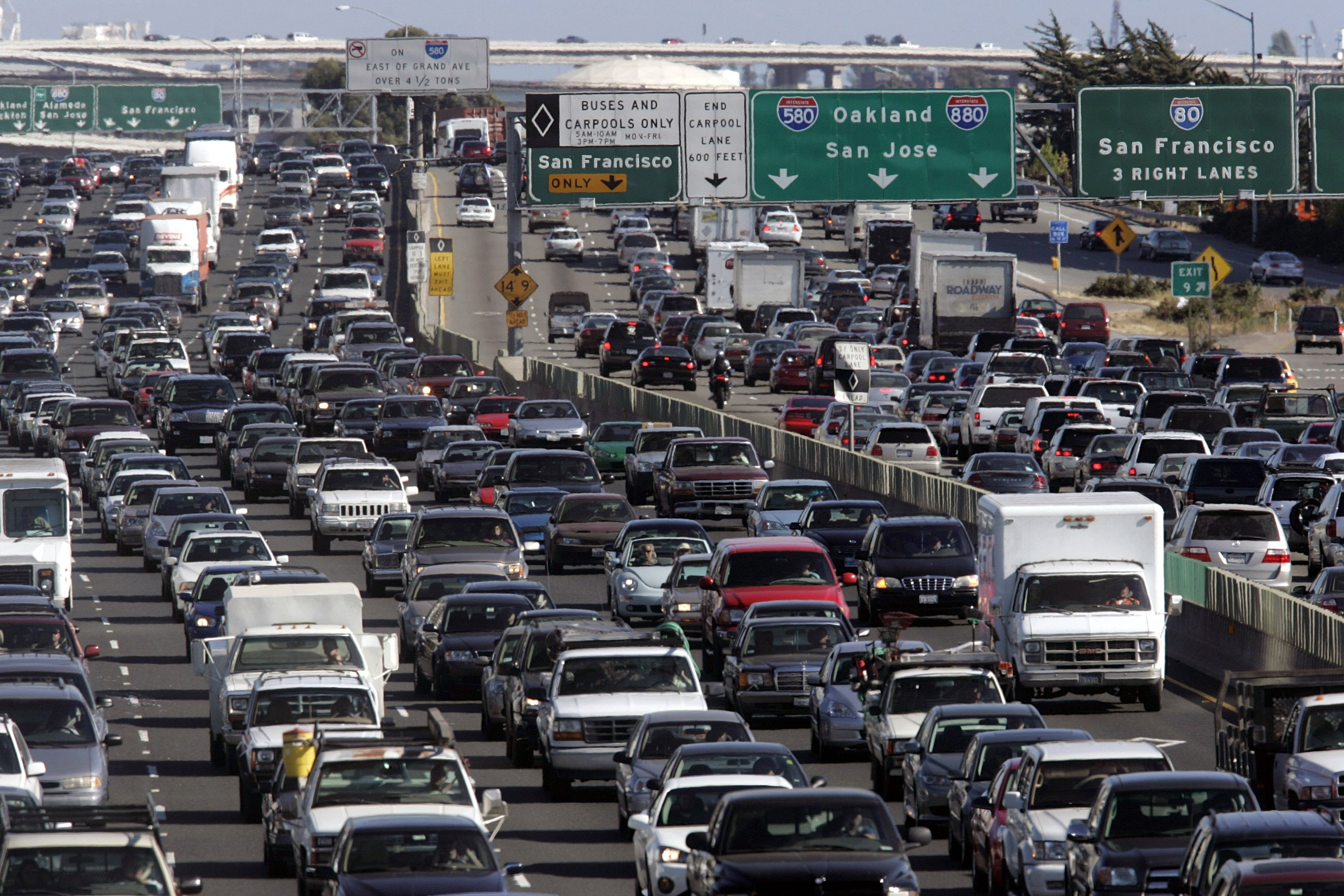
A California traffic ticket automatically includes more than just the base fine. Drivers are also charged state and county penalty assessments, court operations fees, conviction assessments, and a state surcharge equal to 20% of the base fine. Additional charges include a DNA analysis fund, an emergency medical services fund, and an emergency medical air transport fund.
Some of the added costs are not directly related to traffic violations at all. According to a 2018 report by the California State Auditor, prepared at the request of the Joint Legislative Audit Committee, traffic fines also include contributions to the Fish and Game Preservation Fund and various education, training, and operations programs.
Traffic law attorneys say these layered fees dramatically increase what drivers actually pay. For example, texting while driving carries a base fine of $20, but the total amount due rises to about $165 once all fees and funds are included.
Even minor traffic violations with a base fine of $35 can result in final payments exceeding $230. For violations such as running a red light, where the base fine is $100, the total cost can climb to between $380 and $500.
According to a report by CBS News, Chris Kearse received a $486 notice after being cited by a traffic enforcement camera for running a red light in April last year. The base fine for the violation was $100, with the remainder made up of various additional fees.
A key concern is that this cost structure is not clearly explained to drivers. In most cases, tickets list only the total amount owed rather than itemized charges. As a result, drivers find it difficult to determine how much they are paying for each fee or how the money is used.
The issue has been flagged for years. The 2018 state audit found that traffic fines and fees had accumulated incrementally over several decades, resulting in a fragmented and poorly structured system. The report noted the inclusion of funds unrelated to traffic violations and recommended a comprehensive review of the entire fines and fees framework.
Despite the recommendation, no major structural overhaul has followed. As California continues to face budget deficits, traffic fine surcharges have remained an important revenue source.
Experts also warn that rising fines are contributing to increased nonpayment. They say the system places a heavier burden on low-income drivers, as amounts exceeding a person’s ability to pay often lead to delinquency and additional penalties.
With a $100 base fine frequently expanding to more than $400, critics say traffic tickets are placing a significant strain on household finances across the state.
BY HANKIL KANG [kang.hankil@koreadaily.com]