
California Road Conditions Ranking Near Bottom Nationwide
California road conditions ranking has once again placed the state near the bottom nationwide, highlighting growing concerns that drivers are paying some of the highest transportation taxes in the country while receiving some of the poorest road quality.
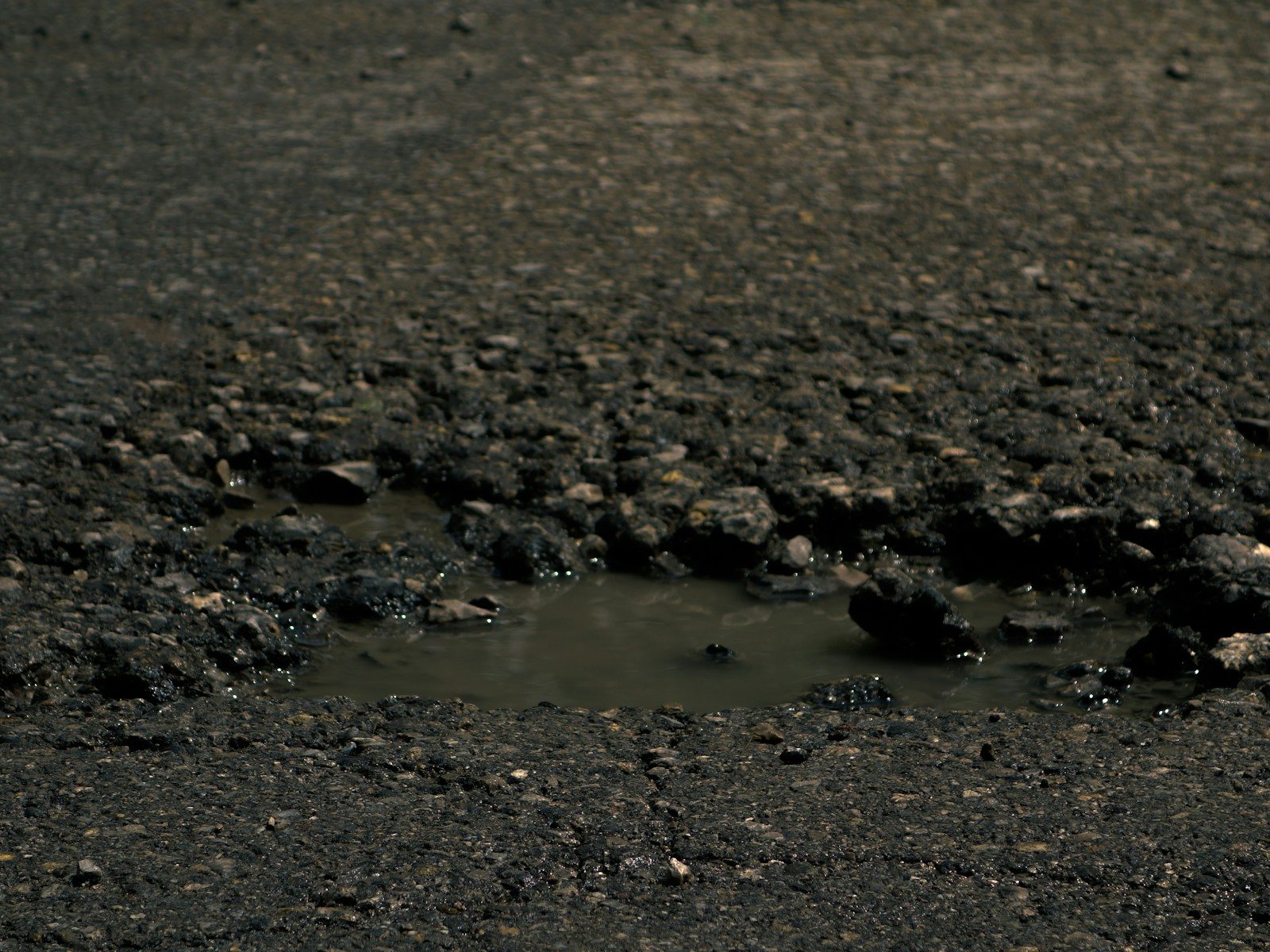
Despite high fuel taxes and vehicle-related fees, the condition of California’s freeways and major roads continues to lag far behind most other states, according to a new nationwide report.
Report Shows California Road Conditions Ranking 49th
According to the 29th Annual Highway Report published by the Reason Foundation, California’s freeway system ranked 49th out of all 50 states, with only Alaska placing lower. The state received the same ranking in last year’s report as well.
The study evaluates highway systems using 13 performance indicators, including pavement condition, traffic congestion, fatality rates, structurally deficient bridges, and maintenance and construction costs.
California performed particularly poorly in pavement quality.
- Urban arterial pavement condition: 50th (worst in the nation)
- Urban interstate pavement condition: 48th
- Rural interstate pavement condition: 47th
Transportation policy expert Baruch Feigenbaum, who authored the report, said California drivers pay significant costs but do not see corresponding improvements in infrastructure.
California motorists pay some of the highest fuel taxes and transportation fees in the country, yet road conditions remain among the worst, transportation policy expert Baruch Feigenbaum told the Orange County Register. He added that given the amount of funding collected, the state should be able to deliver a far better highway system.
High Gas Taxes but Poor Road Quality
California collects more than $14 billion annually from driver-related taxes, including fuel taxes and vehicle registration fees. These revenues are intended to fund road maintenance, repairs, and public transit improvements.
However, California’s fuel tax is among the highest in the United States. According to the Tax Foundation’s 2025 fuel tax report, the state’s gasoline tax stands at 70.92 cents per gallon, the highest in the nation. By comparison, Alaska—the state with the lowest fuel tax—charges just 8.95 cents per gallon, nearly eight times lower.
High fuel taxes have also contributed to higher gasoline prices. As of March 30, data from the AAA showed California’s average gas price at $5.877 per gallon, the highest in the country.
The California road conditions ranking reflects these challenges. About 10% of urban interstate highways in California are rated in “poor condition.”
Drivers Feel the Impact
While the report highlighted one relatively positive metric—California ranked 25th nationally in the share of structurally deficient bridges—most other indicators remained near the bottom.
The state also ranked poorly in traffic congestion levels, rural traffic fatality rates, and pavement conditions.
Even when compared with other large states, California’s infrastructure performance appears weak. Florida ranked 14th, while Texas ranked 27th in the same report.
This suggests that California’s road system is less efficient despite having a comparable population size and transportation network.
For drivers, the impact is tangible. Damaged pavement, deep potholes, and uneven surfaces frequently lead to tire damage and suspension problems.
Lee Eun-ju, a 29-year-old resident of Los Angeles’ Koreatown, said potholes often make driving stressful.
Lee said potholes frequently cause sudden jolts while driving, prompting her to immediately check whether her tires or wheels have been damaged.
She added that drivers sometimes change lanes abruptly to avoid potholes, which can create dangerous situations.
Studies estimate that poor road conditions cost California drivers an additional $843 per year in vehicle repairs.
Some critics argue that transportation funds intended for road maintenance have been diverted to other budget priorities, contributing to the deterioration of the state’s infrastructure.
Meanwhile, California’s transportation budget for fiscal year 2025–2026 is about $30.8 billion, down from $35.3 billion the previous year, raising further concerns about whether road improvements will keep pace with growing infrastructure needs.



![Boy band Wanna One [SWING ENTERTAINMENT]](https://www.koreadailyus.com/wp-content/uploads/2026/04/7d08918d-f90a-43d7-96cd-1c240ecc6b27-100x70.jpg "Wanna One Reunion: All 11 Members Back for Epic 2026 Reality Show")
