
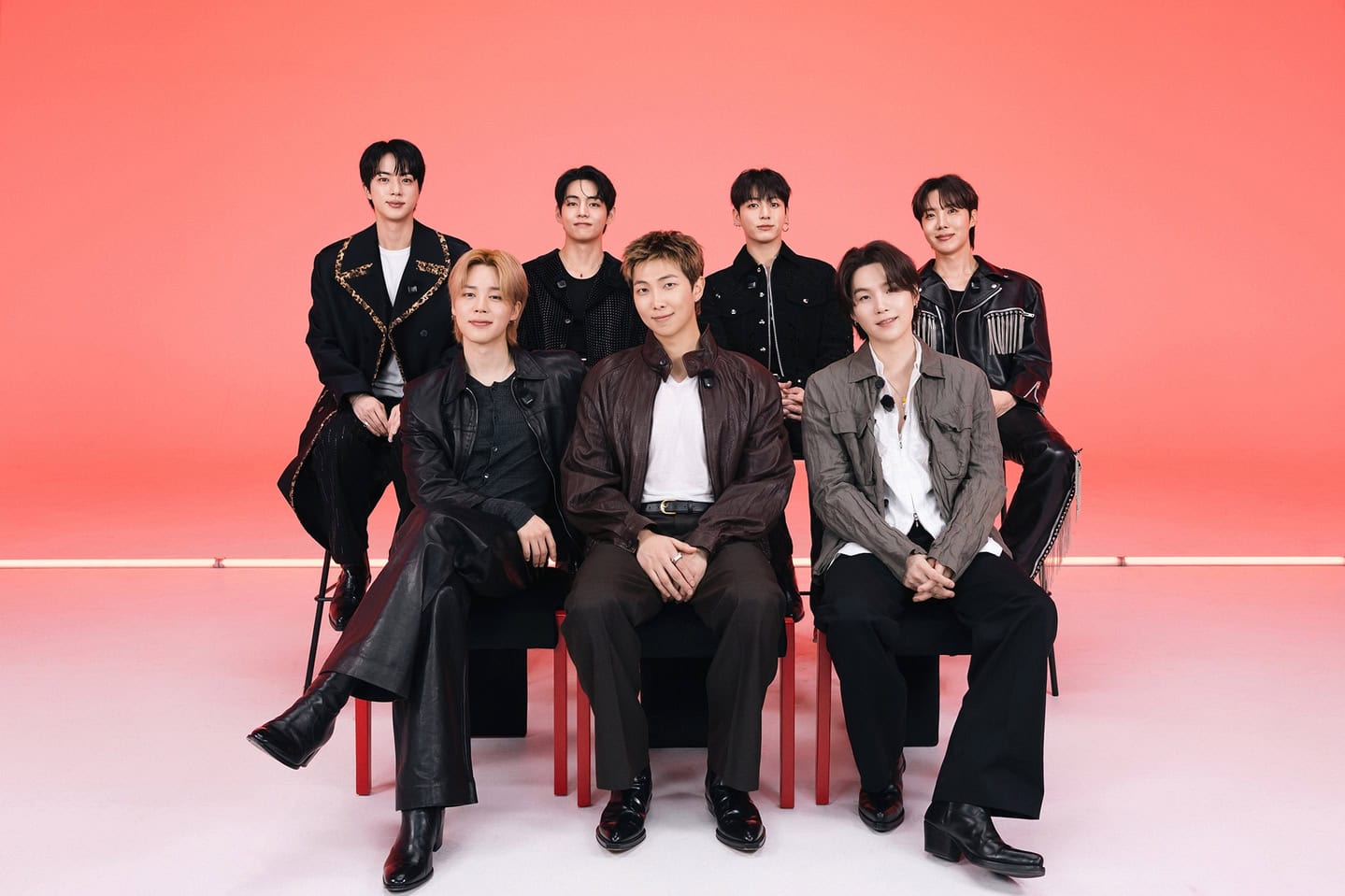
The BTS Whitewashing Controversy: Why the ‘Arirang’ Trailer is Sparking Fury at Howard University
Is it a historical tribute or a cultural tone-deafness? The BTS Whitewashing Controversy has officially taken center stage following the release of an animated trailer for the group’s fifth studio album, Arirang. While the global icons intended to honor a poignant moment in Korean-American history, the visual execution has left many Black fans and scholars feeling erased.
A Black History Landmark with No Black Faces?
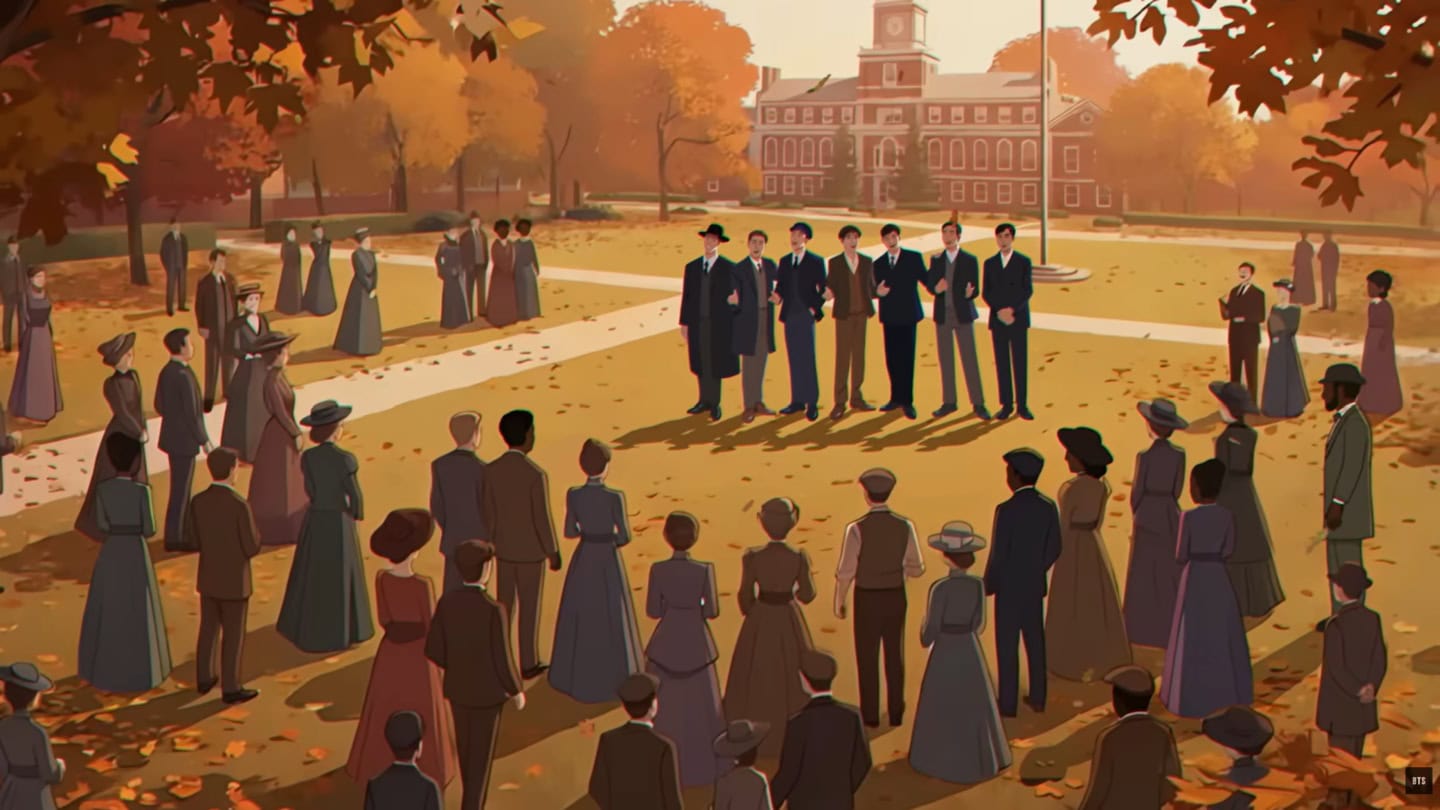
The trailer, released on March 13, reimagines a real-life 1896 event where seven Korean students at Howard University recorded the first-ever audio of “Arirang.” However, the animation depicts the audience at the historically Black university (HBCU) as predominantly white.
Critics were quick to point out the irony: Howard was founded in 1867 specifically to educate Black people during the era of segregation. Seeing “The Yard”—a sacred space for Black excellence—filled with white animated characters felt like a punch in the gut to the community. Howard University’s own news outlet, The Dig, weighed in, noting that while the sentiment was positive, the “representational shortcomings” were impossible to ignore.
Artistic Liberty vs. Historical Erasure
This isn’t just about one video; it’s reigniting the broader BTS Whitewashing Controversy regarding K-pop’s relationship with Black culture. On platforms like Reddit’s r/kpopnoir, fans expressed exhaustion over K-pop’s tendency to “borrow” Black musical aesthetics while simultaneously sidelining Black history.
“I’m glad Howard validated us because some fans are trying to gaslight people into thinking this was okay,” wrote one Reddit user. Meanwhile, HYBE and BTS have remained relatively quiet, pointing to a disclaimer in the video stating the production “may deviate from actual historical events.”
Can ‘Arirang’ Bridge the Gap?
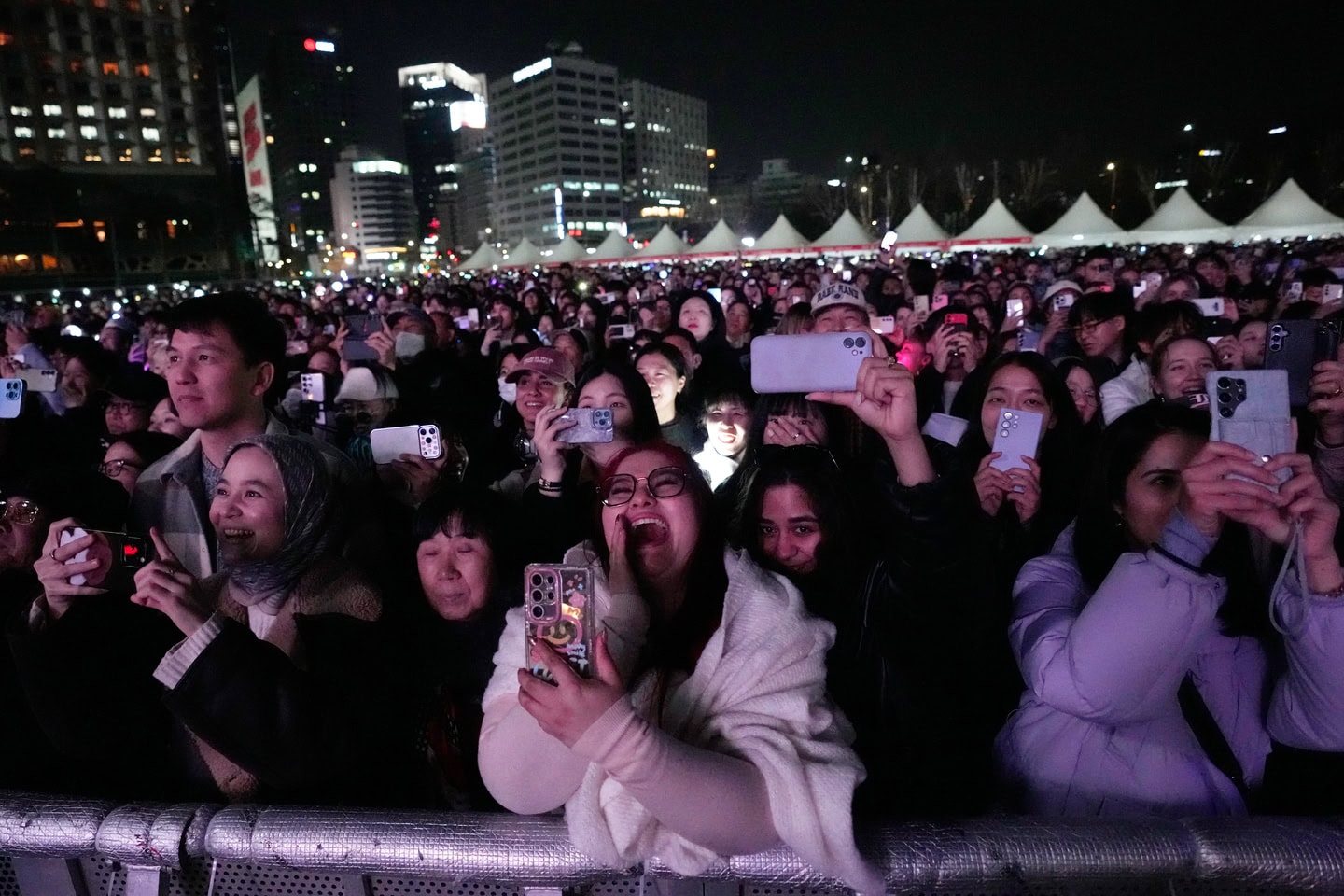
Despite the social media firestorm, the album Arirang is already dominating the charts, and the group’s Gwanghwamun Square comeback concert was a massive success. However, as BTS prepares for an 82-show world tour, the BTS Whitewashing Controversy serves as a loud reminder: in the age of global pop, “artistic license” is no longer an excuse for cultural inaccuracy.
Will HYBE issue a formal apology, or will they let the music speak for itself? One thing is for sure—the conversation around cultural sensitivity in K-pop is just getting started.



![A purple-themed display celebrating the Boysenberry Festival decorates Knott’s Berry Farm. [Knott’s Berry Farm Instagram]](https://www.koreadailyus.com/wp-content/uploads/2026/03/knotts-100x70.jpg "At Knott’s Berry Farm, the Boysenberry Takes Center Stage Again")
