The “Fuel Surcharge” in Disguise: Why Your Suitcase Just Got $10 More Expensive
If you’re planning a flight this spring, you might want to pack light. Following a massive spike in global energy costs, a wave of Baggage Fee Increase announcements is sweeping through the airline industry. On April 9, both Alaska Airlines and American Airlines joined the growing list of carriers hiking their prices to offset the skyrocketing cost of jet fuel.
The catalyst for this shift is the ongoing regional tension in the Middle East, which has disrupted vital oil transport through the Strait of Hormuz. According to the International Air Transport Association (IATA), the price of jet fuel has nearly doubled, soaring from the $85–$90 range in February to approximately $209 per barrel this month.
The New Cost of Checking In
Alaska Airlines and Hawaiian Airlines were among the first to move, raising the price of a first checked bag on North American routes from $40 to $45. If you need a second bag, the price jumped by $10, moving from $45 to $55.
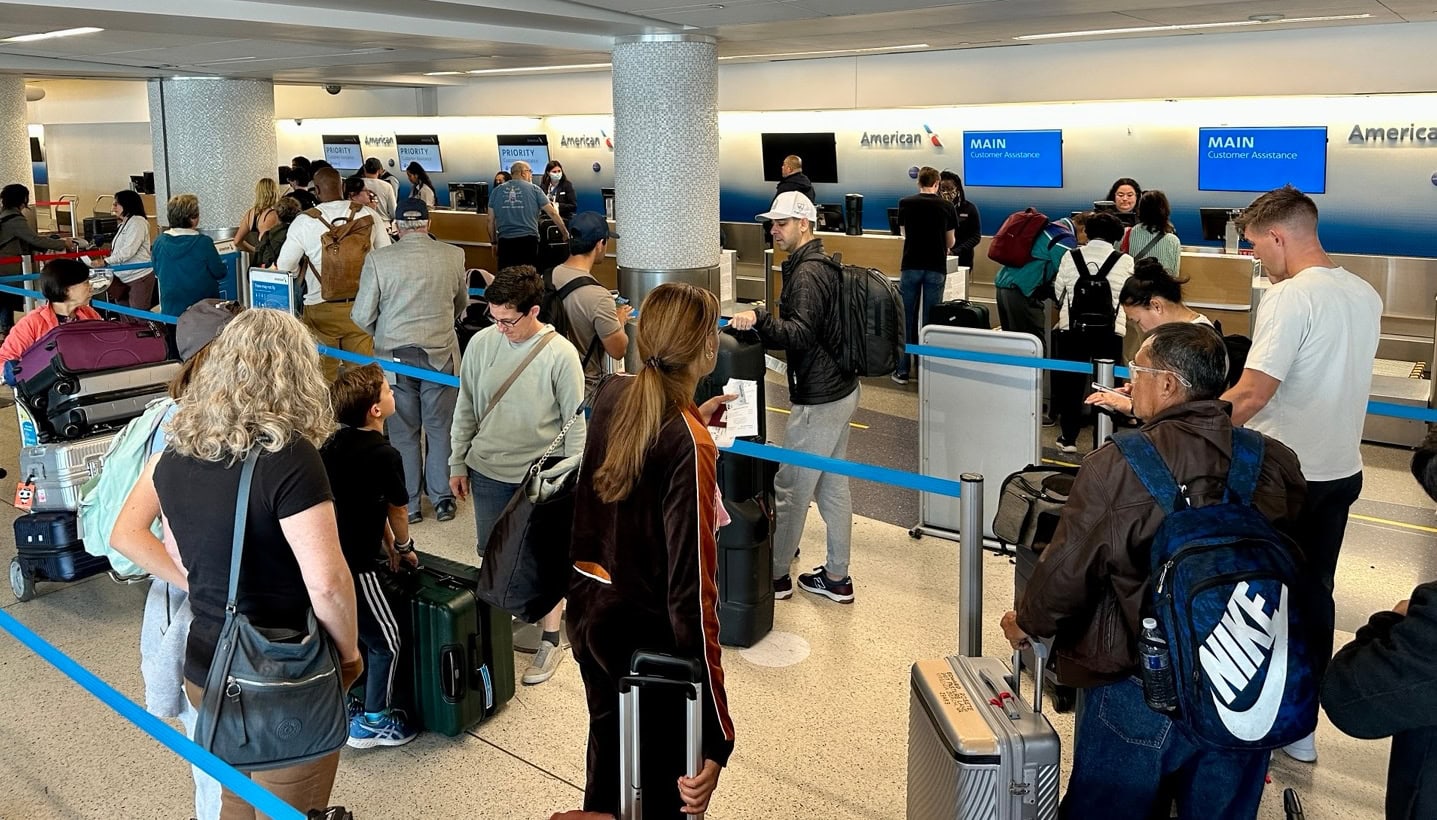
American Airlines followed suit with an even broader hike for domestic and short-haul international flights. Travelers will now pay $50 for their first checked bag and $60 for the second—a flat $10 increase for each. Furthermore, those flying on Basic Economy tickets will see an additional $5 surcharge starting May 18, bringing their baggage costs even higher.
This trend isn’t isolated. These moves follow JetBlue, which recently raised fees by $4 to $9 depending on the peak travel season, and United Airlines, which implemented a $10 hike. Delta Air Lines and Southwest Airlines have also rolled out similar increases, meaning the “Big Four” U.S. carriers are now aligned on these higher rates.
The “Safe Havens” for Your Wallet
Despite the domestic surge, there is a silver lining for those traveling to South Korea. When contacted for comment, the three major Korean carriers—Korean Air, Asiana Airlines, and Air Premia—all confirmed that they currently have no plans to increase baggage fees for flights heading to Incheon.
Additionally, most airlines are protecting their most loyal customers for now. If you hold a premium cabin ticket, have elite status in a rewards program, or use a co-branded airline credit card, your free baggage benefits typically remain intact.
The Bottom Line
The era of $200-a-barrel jet fuel has forced the industry’s hand, and the “ancillary fee” has become the primary weapon for protecting airline profit margins. Until the energy markets stabilize, travelers should expect the cost of “extras” like suitcases to remain on an upward trajectory.
BY HOONSIK WOO [woo.hoonsik@koreadaily.com]