Analog Hobbies Digital Fatigue is driving a growing number of young people to cut back on smartphone use and embrace hands-on, analog activities once associated with older generations.
Experts say the trend reflects a broader reaction to digital overload, as individuals seek slower but more meaningful forms of satisfaction in their daily lives.
Camilla Kim, 26, who lives in Cerritos, spends her evenings gardening instead of scrolling through social media. Working in a roughly 100-square-foot front yard, she grows flowers and vegetables to unwind after work.
“At some point, I started to feel like the time I spent on social media and YouTube was being wasted,” she said. “Hands-on hobbies feel much more meaningful.”
Similarly, Dabin Lee, 25, who works in Los Angeles, turned to coloring as a way to reduce smartphone use.
“When I watch short-form videos like Shorts or Reels, six to seven hours pass quickly, and I end up feeling drained,” Lee said. “I needed something I could do with my hands.” She added that focusing on coloring for a couple of hours helps quiet her thoughts and brings a strong sense of accomplishment.
Analog Hobbies Digital Fatigue and the Return of “Grandma Hobbies”
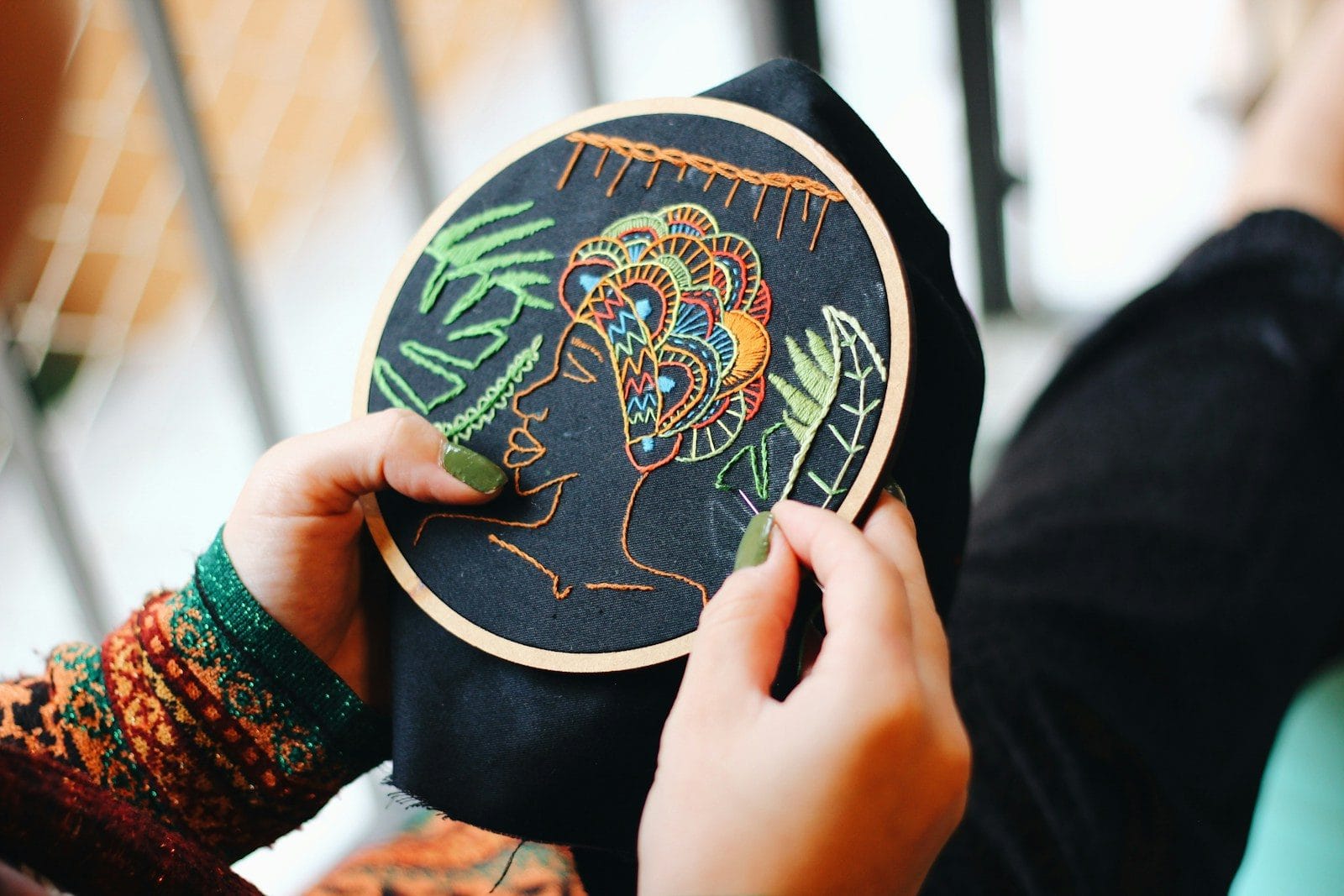
Activities such as knitting, embroidery, puzzles, and coloring—often dubbed “grandma hobbies”—are gaining renewed popularity among younger generations.
Once considered pastimes for older adults, hands-on crafts like pottery, origami, and metalworking are now spreading through digital platforms and evolving into a new form of leisure culture.
Online engagement reflects this shift. The embroidery-focused YouTube channel “Best Embroidery” has attracted about 257,000 subscribers, with some videos surpassing 54 million views. As digital platforms make it easier to learn and share these hobbies, interest continues to expand.
From Personal Hobby to Community and Opportunity
Offline participation is also growing. In the Los Angeles area, spaces such as The Knitting Tree, Wildfiber Studio, and Remainders Creative Reuse offer regular classes and community gatherings centered on knitting and embroidery. Platforms like Skillshare and Domestika further enable users to access courses ranging from beginner to advanced levels.
For some, these hobbies have evolved into professional opportunities. Metal artist Anna Weare, known online as “AnvilAnna,” has built a following of more than 290,000 on social media. Her handcrafted products are in such high demand that customers often face wait times of up to a year. Beginner classes in metalworking are also expanding at venues like Adams Forge in Los Angeles.
In other cases, hobbies are extending into social impact. Birdwatcher Isaiah Scott began by sharing observations on the eBird app and later founded a nonprofit organization focused on habitat conservation.
Why Analog Hobbies Matter
Psychologists attribute the trend to digital fatigue and its mental health effects. Jamie Kurtz, a psychology professor at James Madison University, said these types of hobbies promote focus, reduce anxiety, and increase a sense of achievement.
“‘Grandma hobbies’ help lower stress and improve well-being through sustained attention and challenge,” Kurtz explained. “Maintaining hobbies, even in a busy life, plays an important role in improving overall quality of life.”
As Analog Hobbies Digital Fatigue continues to shape behavior, the shift suggests that younger generations are redefining leisure—not through faster consumption, but through slower, more intentional creation.