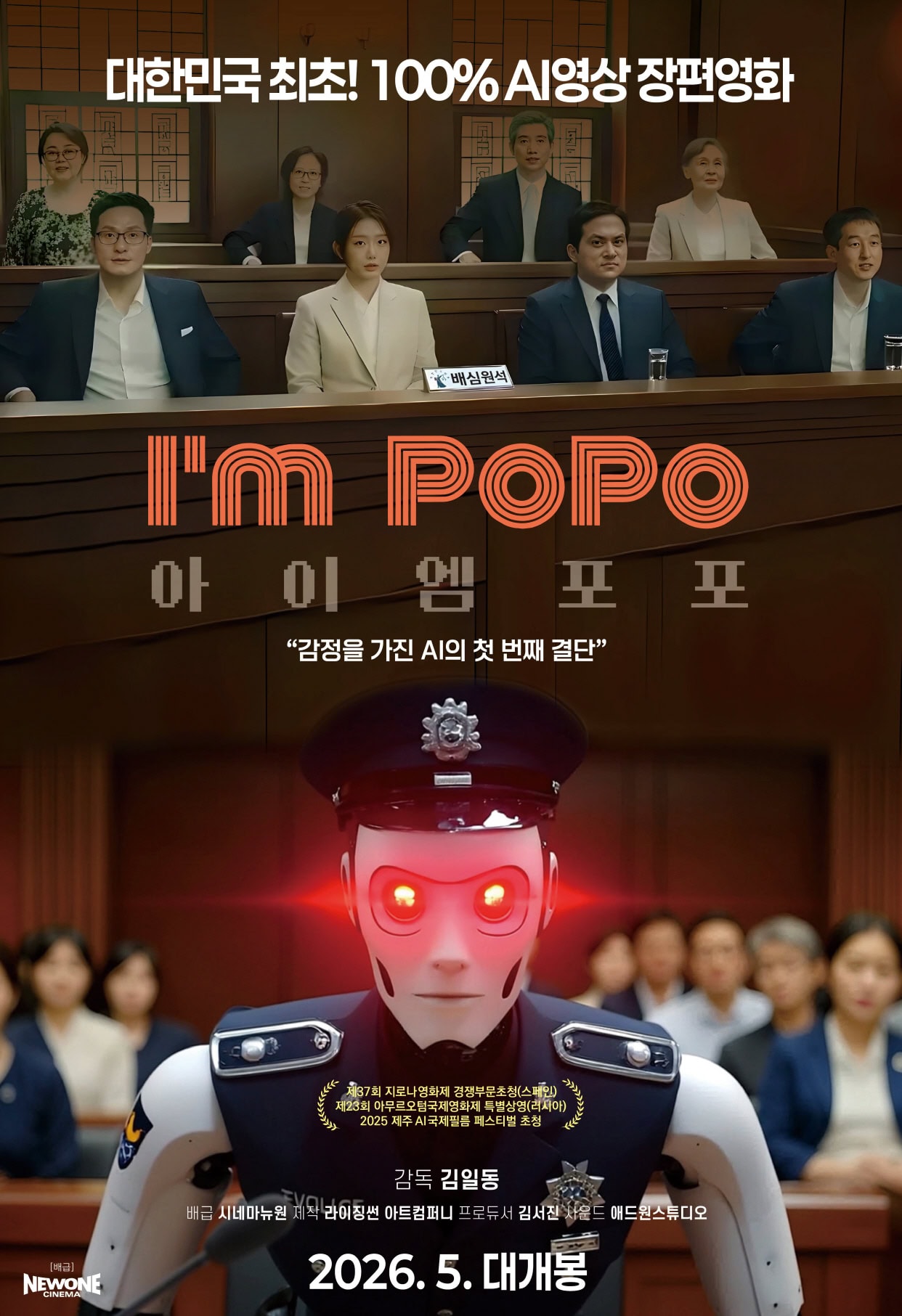
AI-generated full-length film “The Art of the Future” is set to make its official debut in South Korean theaters this coming May, marking a significant milestone in global cinematic history. This production represents the first instance where every element of a feature-length movie—including the screenplay, visual imagery, and soundtrack—has been crafted entirely by artificial intelligence, without traditional human filming or manual animation processes.
A New Era of Cinema: The First AI-generated full-length film
The upcoming release is the result of a collaborative project between leading Korean tech startups and visionary media creators. By utilizing generative AI models, the production team was able to reduce the typical two-year filmmaking cycle to just six months. This AI-generated full-length film showcases a dystopian future where humans and machines coexist, featuring hyper-realistic visuals that challenge the boundaries between digital art and reality.
Technical Innovation and Creative Process
The film utilized advanced Large Language Models (LLMs) for script development and Diffusion-based video synthesis tools for the visuals. While human directors provided the high-level creative prompts and final editing, the core “execution” of the scenes was handled by autonomous algorithms.
Key features of the production include:
-
Zero-Actor Environment: All characters are digital entities created through AI synthesis.
-
Dynamic Soundscapes: The musical score was composed by AI to match the emotional tone of each scene in real-time.
-
Cost Efficiency: The project reportedly cost only 10% of a traditional blockbuster budget.
Impact on the Global Film Industry
As South Korea prepares to release this AI-generated full-length film, the international film community is watching closely. Critics argue that while this technology democratizes filmmaking by lowering entry barriers, it also raises complex questions regarding copyright and the future role of human artists.
Industry experts believe that the success of this May release will determine how quickly major Hollywood studios adopt full-scale AI integration. Regardless of the box office outcome, the premiere signifies a paradigm shift in how stories are told and consumed in the 21st century.