Beer drinking began about 7,000 years ago, dating back to the ancient Sumerian civilization. Beer started when grain dough fermented by accident. At the time, beer was safer than polluted water and was rich in carbohydrates and minerals. It became a key source of nutrition for workers. In ancient Egypt, pyramid builders received beer three times a day. Beer was also used as an offering to the gods.
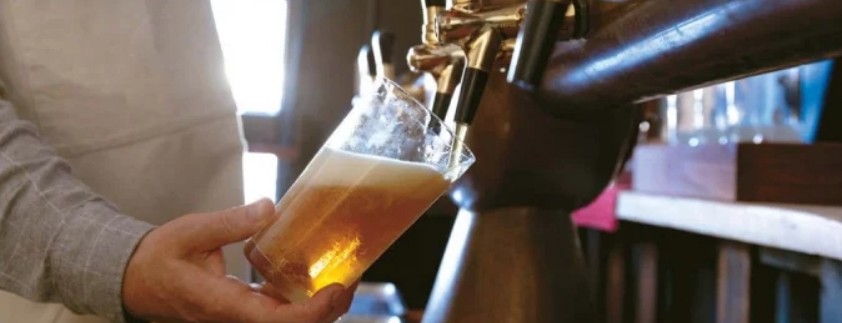
Beer later spread into Europe and changed by region, based on local grains and climate. Areas with abundant wheat and barley produced lighter beers. Northern Europe, where oats and dark grains were grown, produced darker beers. In the Middle Ages, monks led brewing and called beer “Liquid Bread.” They used it to support nutrition during fasting. Beer became a symbol of faith, labor, and community.
Until the 19th century, top fermentation was the main method. Yeast worked at warmer temperatures near the surface and produced beers with strong aromas and complex flavors. Styles such as Ale, Stout, and Porter belong to this tradition.
Later, bottom fermentation was developed in Germany and the Czech Republic. Beer was aged slowly at lower temperatures, opening an era of clear and smooth Lager and Pilsner. Advances in refrigeration sped up this shift. Beer became an industrial product.
In the late 19th century, German immigrants brought these techniques to the United States, leading to brands such as Budweiser, Miller, and Coors. After World War II, beer became a national drink in the country and a symbol of industrialization.
The industry also faced the impact of Prohibition, which lasted from 1919 to 1933. The ban shook the industry, but beer with an alcohol content of 3.2% or less remained legal. People still wanted “forbidden pleasure.” After Prohibition ended, beer returned in a surge as a symbol of freedom.
By the mid-20th century, large corporations pursued efficiency. But standardized flavors did not satisfy consumers. A backlash followed, and the Craft Beer movement began in the 1980s. Small breweries gained attention by making beers with local ingredients and distinct character. Styles such as IPA, Saison, and Sour appeared, and the phrase “beer is the language of a region” spread.
In the 21st century, beer has entered another wave of innovation. AI automatically adjusts fermentation temperature and aroma balance. Big data analyzes popular aroma combinations and helps develop new products. Some breweries use robot arms to add hops. Others use 3D printing to create bottle designs. More breweries also run equipment with solar power and recycle leftover grain. Eco-friendly breweries are increasing, and sustainability has become essential rather than optional.
Beer has always been a mirror of its era. In ancient times, it was a tool for survival. In the Middle Ages, it was a product of faith. In modern times, it became a symbol of industry. Today, it connects technology and sensibility as a cultural medium.
Even in the AI era, beer is still completed by human senses. Thousands of years have passed, but the essence has not changed. Grain, water, and human hands still come together to make beer. Beer is one of humanity’s oldest arts, and a drink that holds time.
Ikseok Kim / professor, California State University, Los Angeles