AAPI cost-of-living concerns have grown sharper, with nearly half of respondents in a recent poll saying high living costs and inflation should be the government’s top priority.
A survey conducted last month by AP-NORC found that 49% of Asian American, Native Hawaiian, and Pacific Islander consumers identified “high cost of living and inflation” as the most urgent issue for the government to address. That share rose 12 percentage points from 37% a year earlier.
The figure was notably higher than a separate AP-NORC poll of U.S. consumers overall conducted in the same month, in which about one-third (33%) named prices and economic worries as the most pressing problem. The gap suggests that even as financial stress spreads broadly across racial groups, Asian American, Native Hawaiian, and Pacific Islander consumers are feeling cost pressures more strongly.
The results have been interpreted as indicating that, despite the Trump administration repeatedly defending its tariff policy and stressing messages aimed at easing inflation concerns, many Asian American, Native Hawaiian, and Pacific Islander consumers remain unconvinced.
Economic anxiety was not limited to this group. In the poll, about 20% of Asian American, Native Hawaiian, and Pacific Islander consumers cited housing costs or jobs and unemployment as a top government priority, a pattern broadly similar to the overall public. Still, differences by race were clear: Black, Hispanic, and Asian American, Native Hawaiian, and Pacific Islander respondents were more likely than White respondents to elevate unemployment, jobs, and housing costs.
One factor highlighted for the sharper cost worries among Asian American, Native Hawaiian, and Pacific Islander consumers is where many live. The population is concentrated in high-cost states and major metro areas such as California and New York, where elevated housing and living expenses can increase day-to-day financial strain.
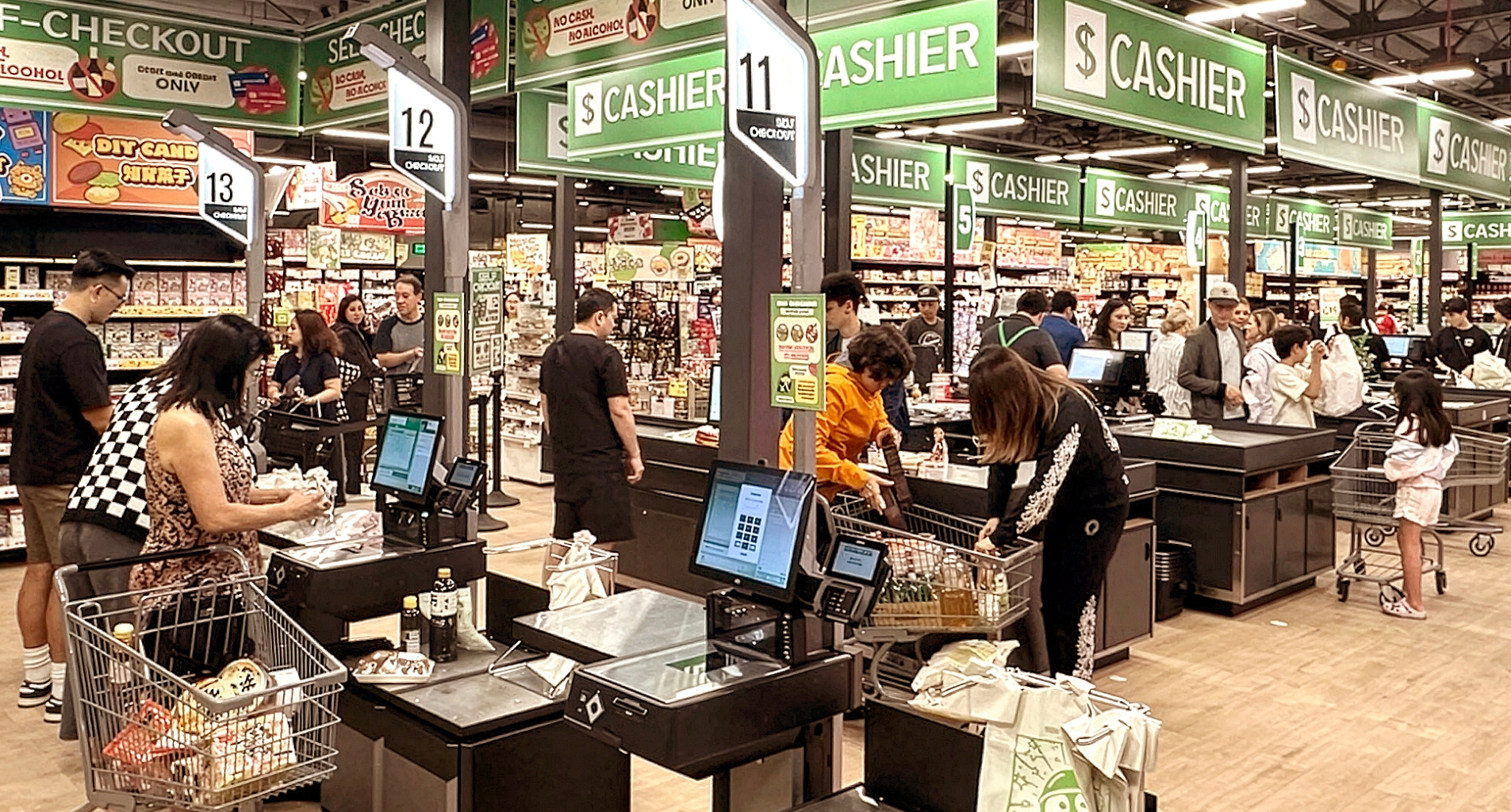
Analysts also point to tariffs as a more direct pressure point for this group. While price changes from tariffs can affect all consumers, the poll discussion notes that Asian American, Native Hawaiian, and Pacific Islander consumers may be more sensitive to shifts in prices for certain imported goods, including food and clothing, because of relatively stronger preferences for specific imported products.
Karthick Ramakrishnan, a researcher at University of California, Berkeley, cited examples from last year, before tariffs fully took effect, when some Asian American, Native Hawaiian, and Pacific Islander consumers turned to minority markets and engaged in “stockpiling.” He said cost concerns for Asian American, Native Hawaiian, and Pacific Islander communities can be tied not only to prices at mainstream grocery stores but also to prices at minority markets.
Healthcare costs also remained a major concern. In the survey, 44% of Asian American, Native Hawaiian, and Pacific Islander consumers named healthcare as a top government priority, a level similar to the overall public.
About six in 10 Asian American, Native Hawaiian, and Pacific Islander respondents said they were “very” or “extremely” worried that healthcare costs would rise this year, again roughly in line with the broader public.
Trust in government progress declined as well. Compared with the period right after the 2024 presidential election, fewer Asian American, Native Hawaiian, and Pacific Islander consumers said they expected the government to make progress on major issues.
In the poll conducted last month, about 70% said they were either “not at all confident” or “only slightly confident” that the government would deliver results on key priorities, up from 60% in 2024.
The survey was conducted December 2–8 among 1,029 Asian American, Native Hawaiian, and Pacific Islander consumers.
BY HOONSIK WOO [woo.hoonsik@koreadaily.com]