Hyundai-Kia U.S. Supply Chain suppliers have been named among the nation’s worst workplaces, according to a labor safety report released Tuesday, highlighting concerns over worker safety, labor practices, and oversight within the automakers’ supplier network.
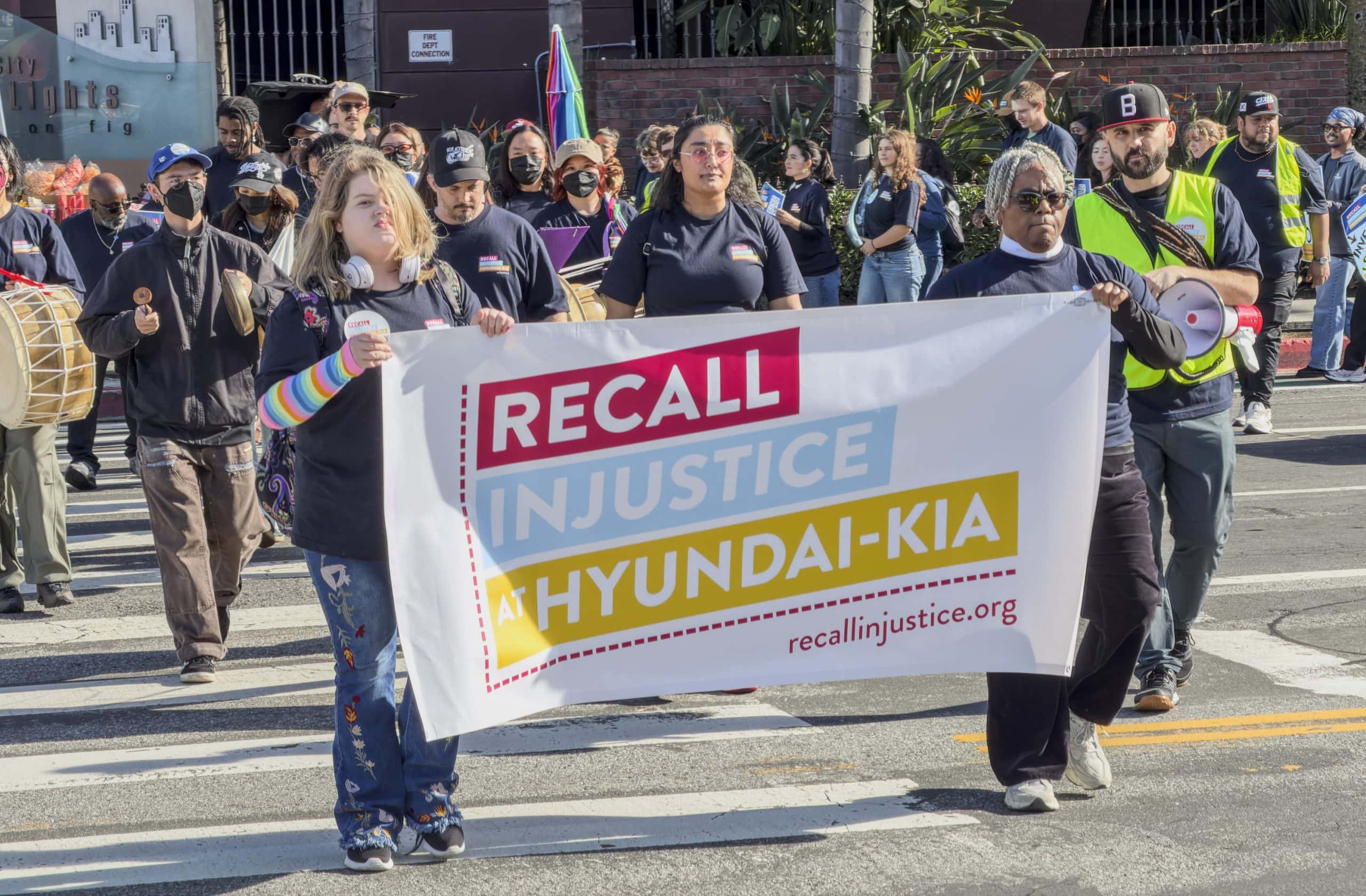
The National Council for Occupational Safety and Health (National COSH) announced the findings during a press conference unveiling its annual “Dirty Dozen” report. Since 2013, the organization has investigated companies repeatedly linked to workplace injuries, safety violations, hazardous exposures, and labor rights concerns. Each year it publishes a list of 12 employers considered among the most dangerous or problematic workplaces in the United States.
This year marks the first time that the Hyundai-Kia U.S. Supply Chain has been included in the report.
National COSH “Dirty Dozen” Report
In addition to Hyundai-Kia’s supplier network, the report named several other companies across different industries, including:
- Alliance Ground International
- Cambria Company
- CommonSpirit Health
- Consolidated Catfish Producers
- D.R. Horton
- LSG Sky Chefs
- Subway
National COSH said the companies were selected due to repeated reports of workplace injuries, worker deaths, safety violations, and alleged labor abuses.
Regarding Hyundai-Kia suppliers, the report cited allegations involving child labor, prison labor exploitation, workplace fatalities, inadequate safety protections, and retaliation claims by workers.
Worker Testimonies Raise Safety Concerns
During the press conference, several workers connected to Hyundai-Kia’s supplier network shared their experiences.
One anonymous worker who said they were employed at the construction site of Hyundai Motor Group Metaplant America (HMGMA) in Georgia described unsafe working conditions.
“The deaths of two workers at Hyundai-Kia supplier companies last year were a huge shock for all of us,” the worker said. “Many people were asked to perform dangerous tasks after receiving only brief safety training.”
The worker added that injuries were common and that some employees hesitated to report problems due to concerns about their immigration status.
Retaliation Allegations From Hyundai Worker
Another worker, Kissy Cox, who works at Hyundai Motor Manufacturing Alabama in Montgomery, said she experienced retaliation after raising concerns about workplace assignments.
Cox said she returned to the assembly line after undergoing surgery for carpal tunnel syndrome in 2023 but was later assigned to a workstation positioned above her height.
“I had to stand on my toes while holding onto the vehicle to keep my balance and make connections using only my right hand,” she said.
Cox claimed the repetitive strain led to severe shoulder injuries, including a torn rotator cuff, shoulder instability, labrum damage, biceps tendonitis, arthritis, and impingement syndrome.
She alleged that workplace injuries often lead to scrutiny rather than support.
“When workers report injuries at Hyundai, they are treated with suspicion and retaliation instead of protection,” Cox said. “If you go to physical therapy because you’re hurt, most of the people there are Hyundai or supplier workers.”
Labor Groups Call for Stronger Oversight
Labor and worker-rights organizations say the issues reflect systemic problems within large supply chains.
Jessica Martinez, executive director of National COSH, said major corporations often shield themselves behind layers of subcontracting and temporary labor.
“Workers are exposed to the greatest risks while having the least power to speak up,” Martinez said.
Oledo Torres, a manager with the labor advocacy group Jobs to Move America, called on Hyundai to formalize safety and worker protections through a Community Benefits Agreement (CBA) with local communities and labor groups.
Worker Safety Remains a National Issue
According to National COSH, workplace fatalities remain a widespread problem across the United States. The organization estimates that one worker dies every 104 minutes on the job nationwide.
Advocates argue that many of these deaths and injuries are preventable and often linked to inadequate oversight and weak enforcement of workplace safety regulations.
National COSH represents a network of 25 grassroots labor groups across the country and focuses on improving workplace health and safety while strengthening workers’ ability to speak out about unsafe conditions.