
The 1997 Revolution: How “Sojubang” Redefined LA Koreatown Nightlife History
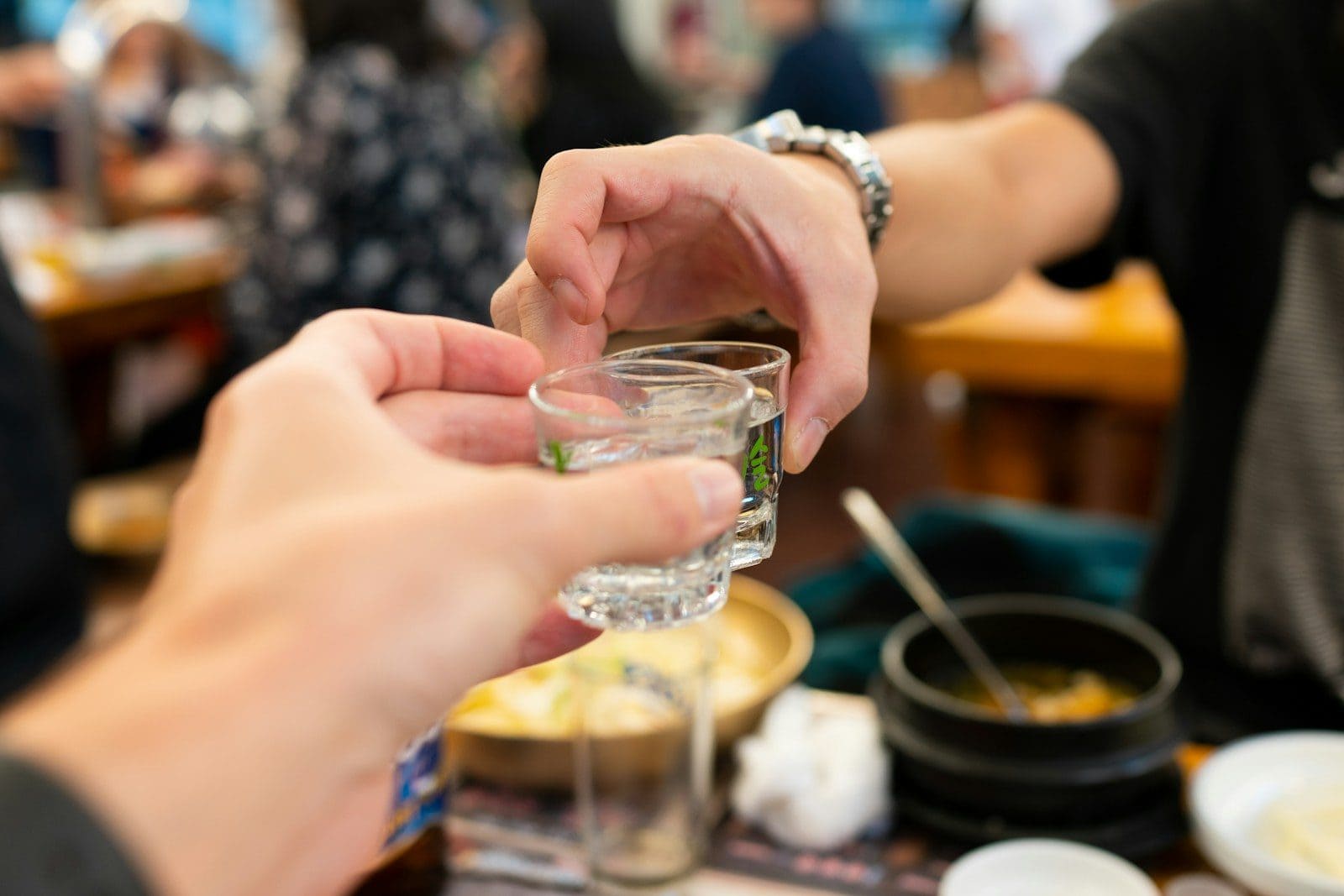
Before the neon-lit streets of 6th and Western became a global destination, LA Koreatown nightlife history was a quiet affair of hidden music cafes and underground “speakeasies.” That changed in 1997 with the opening of Dan Sung Sa. Inspired by the roadside stalls (Pojangmacha) of Seoul, Dan Sung Sa introduced the “Sojubang” concept—a dedicated soju room—creating a cultural sanctuary for immigrants and a new late-night frontier for Los Angeles.
From “Secret Teapots” to Legal Freedom
The rise of the Sojubang wasn’t just a cultural trend; it was a legal victory. Before the late ’90s, soju was classified as a “hard liquor,” making it illegal for most Korean restaurants to sell. Loyal patrons often drank soju poured secretly from porcelain teapots to hide it from authorities.
Everything changed when soju was reclassified into the “Beer and Wine” category. Dan Sung Sa seized this moment, bringing the iconic green bottles onto the tables. This shift allowed for an authentic Korean drinking experience, where spicy snacks (Anju) and communal toasts became the heart of the night.
The “Pocha” Diaspora: From Dan Sung Sa to Hanshin
The success of Dan Sung Sa triggered a wave of “Pocha” (street-food style bars) that defined LA Koreatown nightlife history for decades:
-
Dan Sung Sa (The Legend): Over 25 years later, it still sees lines of diverse crowds every night, proving its status as a K-culture landmark.
-
The 6th Street Era: Spots like Tobang and Byul Pocha brought a rustic, cozy vibe to Chapman Plaza, while Ahgassi Gopchang (formerly a Kang Ho-dong brand) turned grilled delicacies into a mainstream hit.
-
Modern Mainstays: Today, the legacy continues through franchises like Hanshin Pocha, famous for its spicy chicken feet, and trendy spots like Ddong Ggo, which successfully expanded its “cheeky” street-style vibe even as far as Texas.
A Legacy of Community and Comfort
For early immigrants, these Sojubangs were more than bars; they were “liberation zones” from the hardships of life in a new country. For the younger generation and non-Koreans today, they represent the vibrant, pulsating energy of K-Town. From the vanished makgeolli (rice wine) bars like Saekdong Jeogori to the modern egg-sandwich phenomenon Egg Tuck (founded by a Sojubang veteran), the DNA of these early establishments continues to shape the culinary landscape of Los Angeles.
As you walk through K-Town tonight, remember that every green bottle on a table is a tribute to the pioneers of 1997 who turned a small dream of a “tent bar” into a global cultural phenomenon.

Columnist
Ryan Oh
President, CBC Wilshire Property