
Family immigration approval decline is raising concerns among immigrant families and applicants after new data showed a sharp drop in approvals for family-based immigration petitions in the United States.
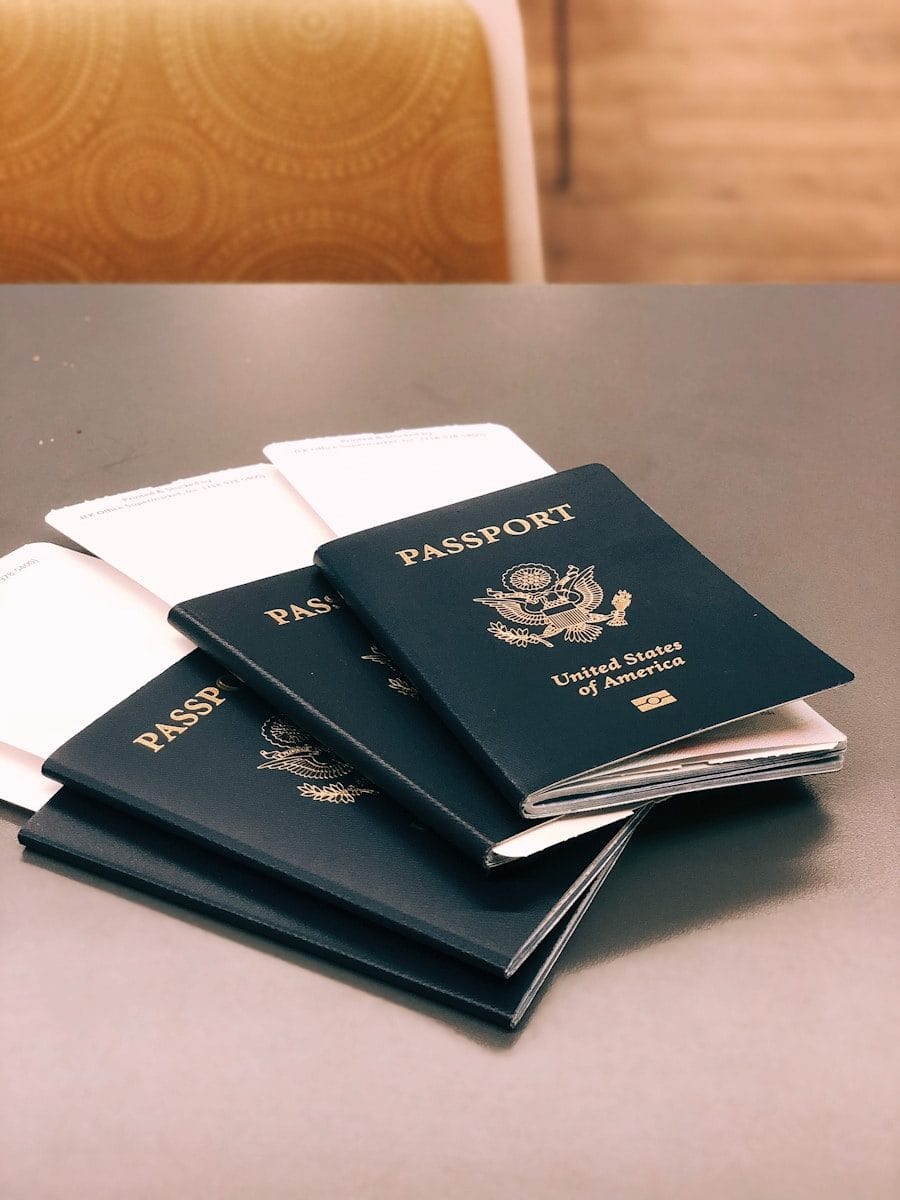
The decrease centers on Form I-130, the Petition for Alien Relative, which represents the first step in the family-based immigration process. According to U.S. Citizenship and Immigration Services (USCIS), the number of daily approvals for I-130 petitions fell to fewer than 500 per day in March.
That figure marks a steep drop from roughly 850 daily approvals recorded in February — a decline of more than 40% within a single month.
Growing USCIS Backlogs
The family immigration approval decline comes as the backlog of pending cases continues to grow.
USCIS data released in January 2026 shows that a total of 2,354,209 I-130 petitions are currently pending. Of those, approximately 2,003,555 cases — about 85% — have been waiting longer than six months for a decision.
The agency’s statistics indicate that the average processing time has reached about 16.1 months. Long-term pending cases have also increased compared to the previous year. In January 2025, the number of petitions pending for more than six months stood at about 1,853,955 — roughly 8% lower than current levels.
Possible Reasons Behind the Family Immigration Approval Decline
Immigration experts suggest that the drop in approvals may be tied less to stricter adjudication standards and more to a decline in new applications.
Attorney Brian Oh said uncertainty surrounding immigration policies has led some potential applicants to delay filing petitions.
“Rather than a dramatic change in review standards, the decline may reflect a decrease in the number of applications being filed,” Oh explained.
He noted that some families are choosing to postpone petitions until they have more clarity about immigration policy changes.
“Even immediate relatives of U.S. citizens — such as spouses — are delaying applications,” he added. “If applicants believe that past immigration records or minor issues could create complications, many prefer to wait and see how the policy environment evolves.”
Applicants Voice Frustration Online
Concerns about the family immigration approval decline have also appeared on online forums, including Reddit, where applicants frequently share updates about their immigration cases.
One applicant wrote that their I-130 petition for a spouse has been pending for more than a year without any updates from USCIS.
Such delays can have significant personal consequences. Family-based immigration is one of the largest channels of legal immigration to the United States, and prolonged processing times may extend periods of family separation.
Potential Impact on Global Companies
Multinational companies are also monitoring the situation closely.
Businesses that send employees to the United States under visas such as the L-1 often rely on family-based immigration petitions once employees begin the process of obtaining permanent residency. Through that process, spouses and children may later receive immigrant status as well.
If I-130 processing delays continue, experts warn that it could postpone family reunification for overseas employees and disrupt workforce planning or project timelines.
Longer waiting periods may also create financial pressures for families. For example, when a spouse is adjusting status inside the United States, employment authorization documents (EADs) can take months to be issued, limiting the spouse’s ability to work during the waiting period.
Experts caution that if the family immigration approval decline continues, the ripple effects could extend beyond immigration applicants — affecting families, employers, and communities across the United States.


![A purple-themed display celebrating the Boysenberry Festival decorates Knott’s Berry Farm. [Knott’s Berry Farm Instagram]](https://www.koreadailyus.com/wp-content/uploads/2026/03/knotts-100x70.jpg "At Knott’s Berry Farm, the Boysenberry Takes Center Stage Again")