
Watching Western: 18 Koreatown LA Surveillance Cameras to Track Crime
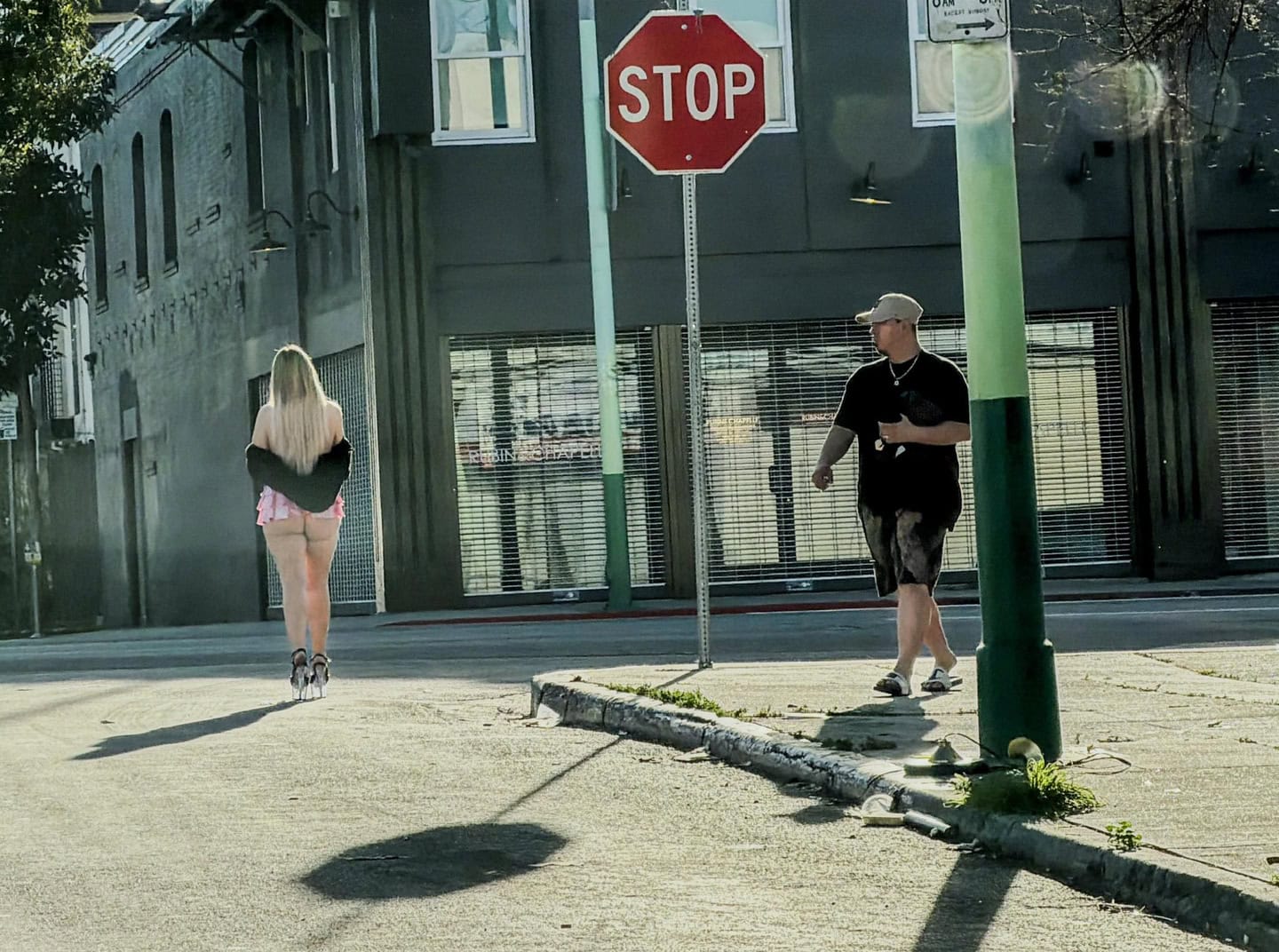
A major shift in public safety is coming to the heart of Los Angeles. The Los Angeles Police Department (LAPD) has announced a bold plan to install 18 high-tech Koreatown LA surveillance cameras along a 3-mile stretch of Western Avenue. Spanning from Olympic Boulevard to Santa Monica Boulevard, this initiative aims to crack down on human trafficking and organized prostitution rings that have long plagued this busy commercial and residential corridor. By the end of 2026, the LAPD hopes these digital eyes will provide the necessary data to dismantle criminal networks operating in plain sight.
Privacy vs. Protection: How the New System Works
The primary function of these Koreatown LA surveillance cameras is Automated License Plate Recognition (ALPR). By identifying vehicle plates and tracking movement patterns, the LAPD aims to target the organizers and exploiters behind trafficking—not the individual victims. However, the move has ignited a fierce debate among residents and civil rights groups. Critics argue that broad data collection on every passing vehicle could lead to a “surveillance state,” where the movements of innocent law-abiding citizens are stored and monitored without their consent.
In response to these concerns, the LAPD has clarified that this specific system operates under stricter data management protocols than previous technologies. They emphasize that access to the gathered information will be highly restricted and used exclusively for active criminal investigations. Despite these assurances, the “big brother” narrative continues to shadow the project’s rollout.
The Road to 2028: Gentrification or Public Safety?
Some community activists suggest that the push for Koreatown LA surveillance cameras is part of a larger “clean-up” effort ahead of massive global events like the 2026 FIFA World Cup and the 2028 LA Olympics. There are growing fears that increased surveillance could lead to accelerated gentrification in the Wilshire and Western areas, potentially displacing long-time residents in the name of urban “sanitization.”
Whether seen as a necessary tool for justice or an overreach of authority, these cameras are set to change the social fabric of the neighborhood. As installation begins later this year, the balance between public security and individual privacy remains a thin, controversial line for the people of Koreatown.