Congress Eyes New $250 EV Fee to Fix Roads
The days of dodging the gas pump and the tax man simultaneously might be coming to an end. Federal lawmakers are shifting gears to introduce a mandatory EV fee aimed at plugging the massive budget hole in the nation’s highway maintenance fund.
Rep. Sam Graves (R-MO), chairman of the House Transportation and Infrastructure Committee, recently signaled that a multi-year surface transportation bill is headed to the floor next month. The goal? Ensuring that every vehicle—regardless of whether it runs on electrons or octane—pays its fair share for the asphalt it burns.
The End of the Gas Tax Monopoly
For decades, America’s roads have been paved by the federal gas tax. But as electric vehicles surge in popularity, they’ve essentially been “hitchhiking” on the infrastructure without contributing to the gas tax pool.
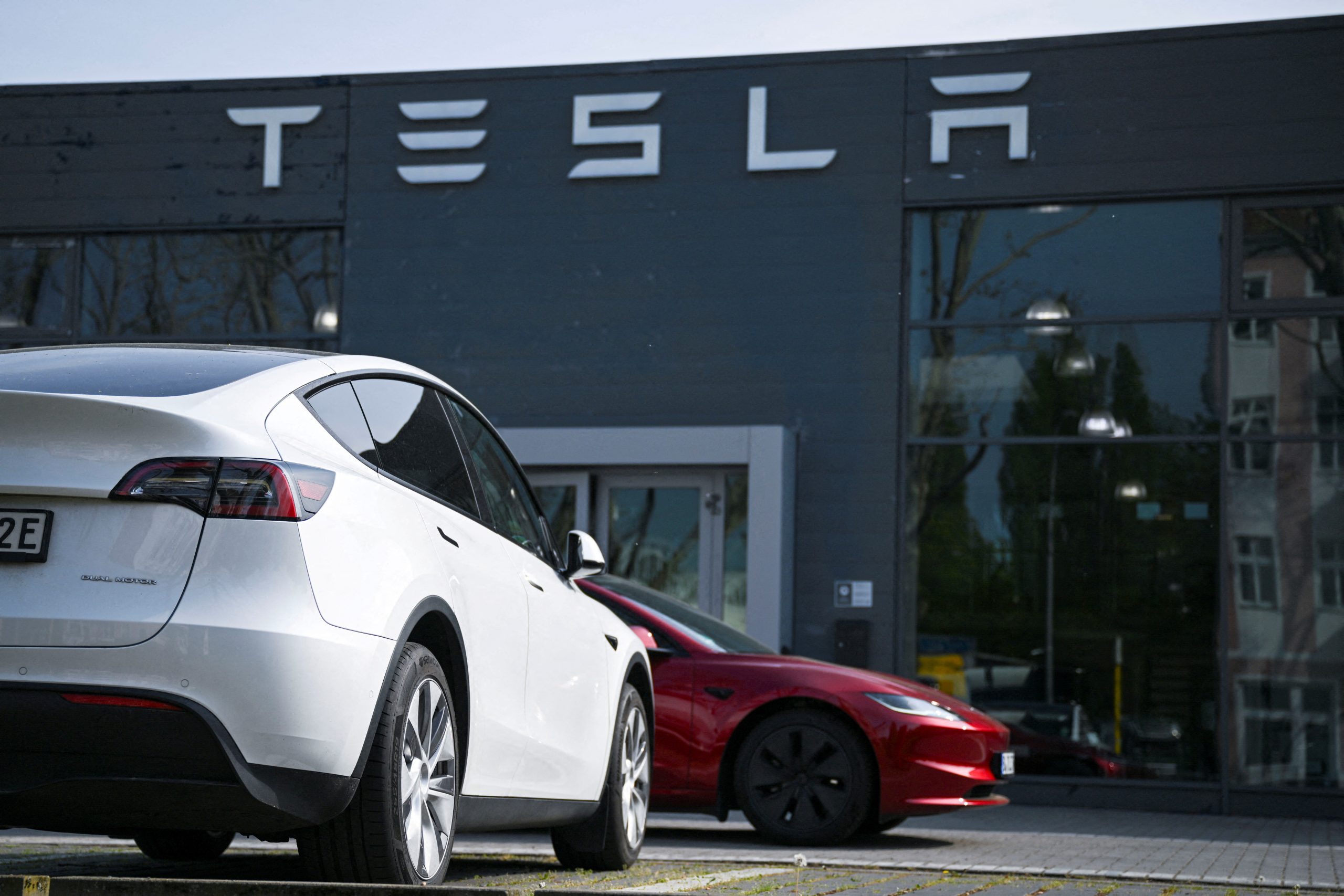
To solve this, the proposed legislation suggests a $250 annual fee for electric vehicles and a $100 fee for hybrids. While some GOP senators have floated numbers as high as $1,000, the current $250 mark is the primary target. For context, many states already charge between $50 and $200, meaning some drivers could soon face a “double dip” of state and federal fees.
A Fair Share or a Roadblock to Innovation?
Not everyone is ready to sign the check. Advocacy groups like the Electrification Coalition argue that the math doesn’t quite add up. They point out that the average internal combustion engine (ICE) vehicle only contributes about $88 per year in federal gas taxes. Slapping a $250 EV fee on drivers could be seen as a “punishment” for going green.
However, the financial reality is hard to ignore. Since 2008, Congress has had to bail out the Highway Trust Fund with over $275 billion in general taxpayer money because gas tax revenue is drying up. With EV adoption rising, the old funding model is effectively running on empty.
What This Means for Your Next Car Purchase
This proposal arrives at a sensitive time for the auto industry. With the recent rollback of certain $7,500 federal tax credits, adding a yearly fee could further cool consumer demand. Major players like Hyundai and Toyota, who have doubled down on their hybrid lineups recently, are watching closely, as even the $100 hybrid fee could alter the “value prop” for budget-conscious buyers.
With the current transportation law set to expire on September 30, and an election looming in November, expect a bumpy ride in Congress. Whether this fee crosses the finish line or gets stuck in political gridlock remains to be seen—but for EV owners, the “tax-free” honeymoon is officially on notice.
BY HOONSIK WOO [woo.hoonsik@koreadaily.com]