K-Bakery Price Drop Policies: Korea Sees Cuts While US Prices Remain High
The recent shifts in K-Bakery Price Drop Policies have revealed a stark contrast between the South Korean market and the United States. While major Korean bakery franchises are slashing prices domestically to alleviate consumer burden, their American counterparts have confirmed there are no plans to follow suit.
Domestic Price Reductions in South Korea
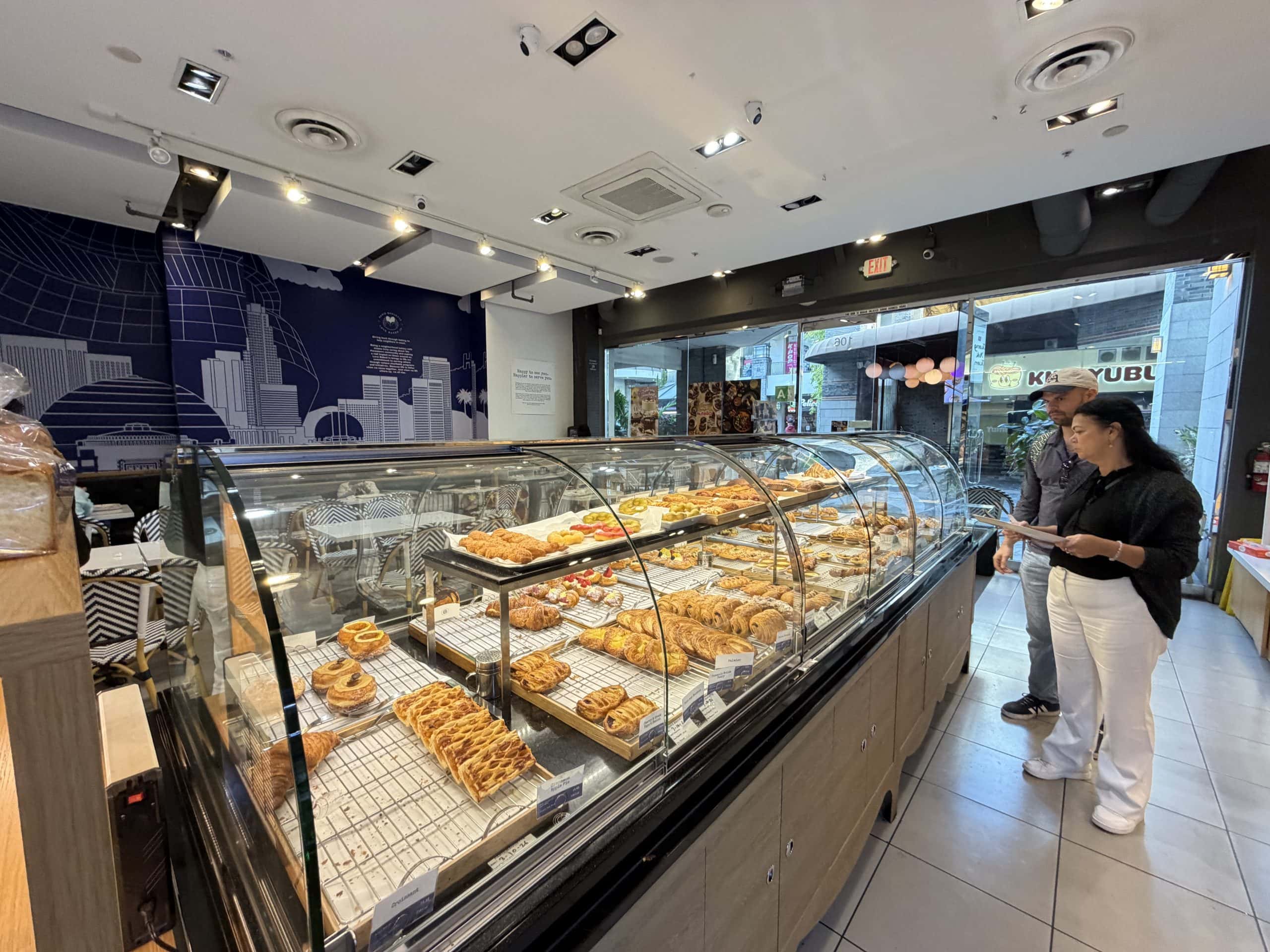
Paris Baguette, operated by Paris Croissant (formerly SPC), announced it will reduce the prices of 11 items starting tomorrow (March 13, KST). This includes six types of bread, such as red bean and soboro bread, and five character-themed cakes. Price cuts range from 100 to 1,000 KRW for bread, while some cakes will see a significant reduction of up to 10,000 KRW.
Similarly, CJ Foodville’s Tous Les Jours announced today that it is lowering the supply prices of 17 products—16 breads and one cake—by an average of 8.2%. These adjustments are largely attributed to the South Korean government’s price stabilization initiatives and a recent dip in the cost of raw materials.
Why US K-Bakery Price Drop Policies Differ
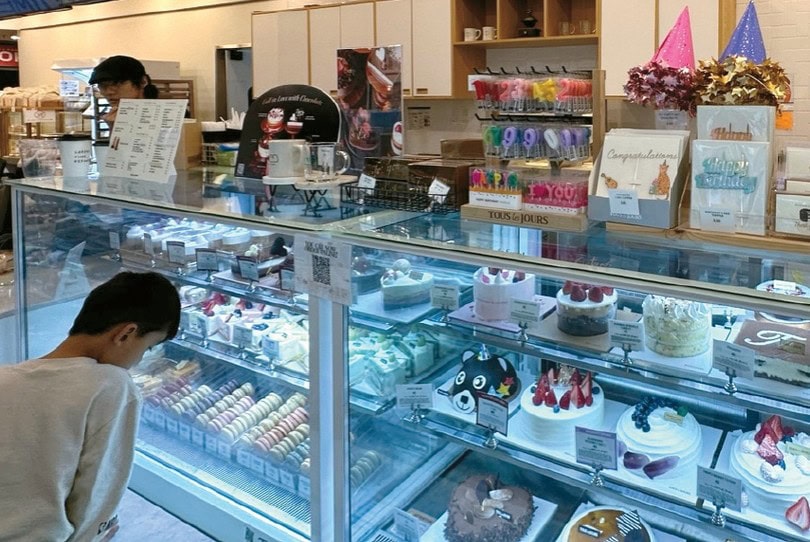
Despite the trend in Korea, a direct inquiry to both companies confirmed that US consumers will not see similar relief. Park Se-yong, CFO of Paris Baguette America, stated via email that the business environment, cost structures, and franchising models in the US differ significantly from those in Korea. “There are currently no separate plans for price reductions in the US market,” Park noted.
At a Tous Les Jours location in Los Angeles, employees echoed this sentiment, noting they had received no communication from headquarters regarding price changes. This disparity comes even as both brands show record-breaking growth in the US. According to Technomic’s “2025 Top 500 Chain Restaurant” report, Paris Baguette ranked 112th among US chains with $462 million in sales, while Tous Les Jours ranked 195th with $220 million.
High Inflation and Consumer Sentiment
Analysis shows that aggressive price hikes have fueled these high revenues. Between April 2023 and March 2026, some popular items at Paris Baguette rose by over 20%. For instance, the price of a standard red bean bread climbed from $2.79 to $3.39—a 21.5% increase. This is nearly 2.6 times the cumulative Consumer Price Index (CPI) growth of 8.4% recorded over the past three years.
Comparison of Price Increases vs. Inflation (3-Year Period)
| Item | Price Change | % Increase | vs. CPI (8.4%) |
| Red Bean Bread | $2.79 → $3.39 | 21.5% | 2.56x Higher |
| Mixed Berry Cake | $37.09 → $43.99 | 18.6% | 2.21x Higher |
| Strawberry Cream Cake | $41.69 → $48.99 | 17.5% | 2.08x Higher |
Korean-American consumers have expressed disappointment. “Paying nearly $50 for a birthday cake is a heavy burden,” said Joyce Lee, a local shopper. “It’s frustrating to hear prices are dropping in Korea while they remain stagnant here.”
The Limits of Administrative Guidance
The price drops in Korea are largely seen as a result of intense government pressure. South Korean authorities have used administrative influence to urge food companies to lower prices on essentials like flour and sugar. However, because US operations fall outside this jurisdiction, the market remains driven by local labor costs and premium branding strategies.
Ultimately, the divergence in K-Bakery Price Drop Policies suggests that the reductions in Korea may be temporary. Without a fundamental shift in market principles, prices may rebound once government pressure eases, while US prices continue to reflect the high costs of the labor-intensive confectionery industry.
BY YEONGCHAE SONG [song.yeongchae@koreadaily.com]