Medicare Overpayments Add $13.4 Billion to Seniors’ Premiums
Congressional report alleges Medicare Advantage insurers inflated payments
A congressional investigation has found that alleged overpayments to Medicare Advantage (Part C) insurers increased Medicare premiums for seniors by billions of dollars.
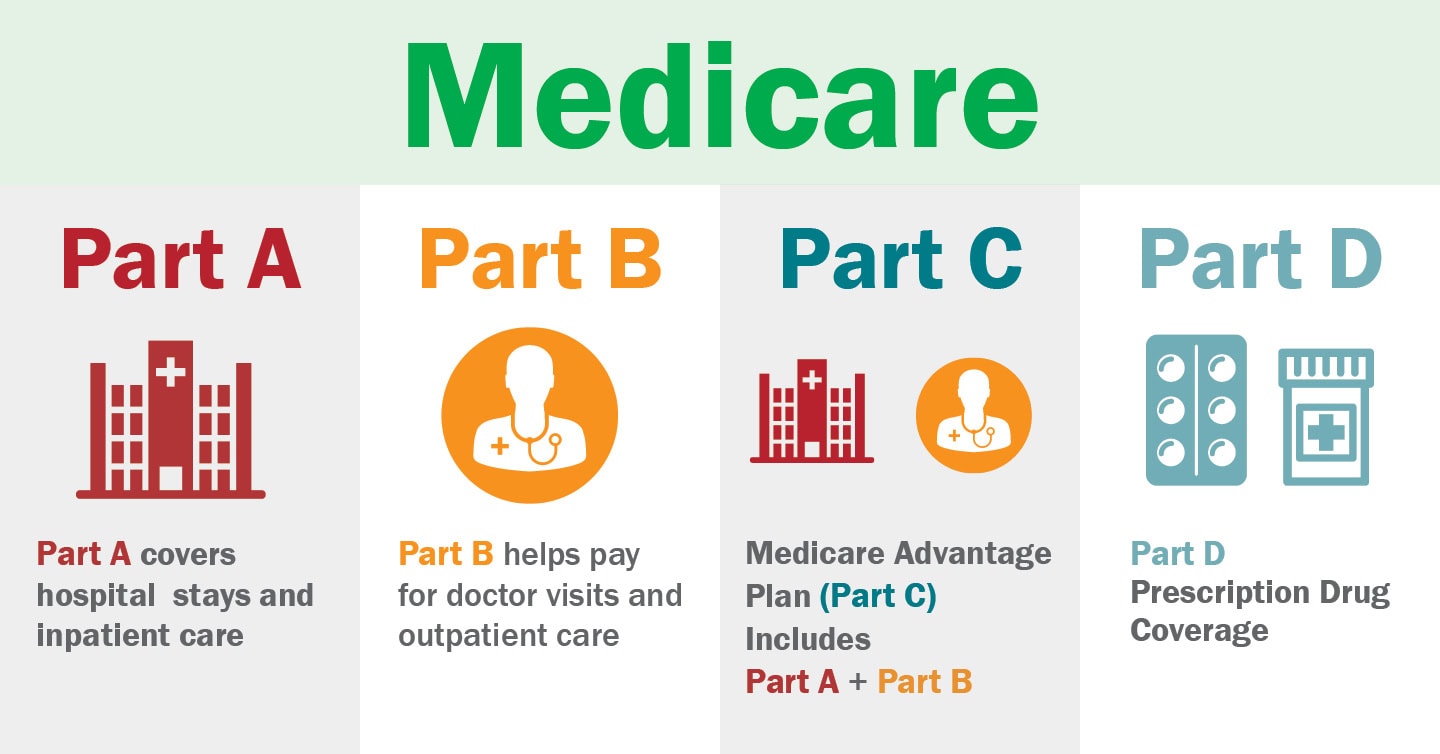
Medicare Advantage plans are administered by private health insurance companies and have become increasingly popular among U.S. seniors, including many Korean Americans, because they often offer lower costs and additional benefits. According to 2025 Medicare data, about 54% of Medicare beneficiaries are enrolled in Medicare Advantage plans.
A report released March 10 by the Joint Economic Committee of Congress found that overpayments to private insurers operating Medicare Advantage plans increased Medicare Part B premiums by $13.4 billion in 2025.
As a result, the average Medicare beneficiary paid about 10% more in premiums, or roughly $212 per year in additional costs, the report said. For higher-income beneficiaries, the extra cost could reach as much as $682 annually.
Medicare Part B covers outpatient medical services such as doctor visits, laboratory tests and other routine medical care. Most seniors pay monthly premiums for the program, which are typically deducted from Social Security benefits. In 2025, the average monthly Part B premium was about $185.
The report alleges that some insurers increased their reimbursements by adding additional diagnoses to patients’ records, which can trigger higher payments from the federal government. Under the Medicare Advantage payment system, insurers receive larger reimbursements for enrollees with more documented medical conditions.
Major companies participating in the Medicare Advantage market include UnitedHealth Group, Humana, and Elevance Health.
The Medicare Payment Advisory Commission (MedPAC), a congressional advisory body, estimates that Medicare Advantage plans cost the federal government about 20% more than traditional Medicare for covering the same patients.
The insurance industry, however, strongly disputed the report. AHIP, the industry’s main trade group, said the findings were “based on flawed data and analysis” and should not be used to guide public policy.
Meanwhile, federal Medicare officials are considering policy changes aimed at limiting certain billing practices used by insurers to increase payments, including reviews of medical records that can lead to additional diagnoses.
The agency is also reportedly considering holding Medicare Advantage payment rates essentially flat next year as part of efforts to control program costs.
A Medicare official acknowledged that some payment structures may have created misaligned incentives, but said there remains debate about the true scale of alleged overpayments.