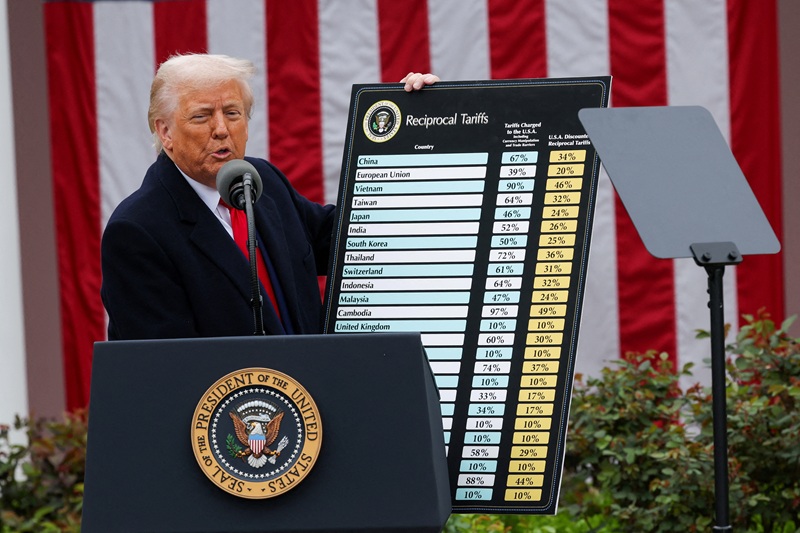
A ripple effect is spreading through the American consumer market following a landmark Supreme Court ruling that found certain tariffs imposed under the International Emergency Economic Powers Act (IEEPA) to be unlawful. In an unprecedented move, a growing number of businesses are proactively returning these costs to their customers, signaling a shift in how companies handle the fallout from volatile trade policies.
Proactive Refunds from Small and Medium Enterprises
Dame, a wellness company, has emerged as a leader in this movement, announcing a voluntary program to refund surcharges previously collected under the guise of trade duties. CEO Alexandra Fine stated in an interview with CBS News that returning the funds was a matter of integrity. “If these costs were levied illegally, the only right thing to do is give them back,” Fine remarked.
Last April, Dame implemented a $5 surcharge per order specifically labeled as a “Trump Tariff fee.” The company estimates it paid approximately $100,000 in total tariffs during 2025, with $70,000 tied directly to the now-contested IEEPA duties. Automated refunds have already begun for thousands of customers, with the company expecting to complete the process within the coming weeks.
The $165 Billion Economic Tug-of-War
The scale of potential repayments is staggering. The Penn Wharton Budget Model, a nonpartisan policy research group, estimates that the total pool for IEEPA tariff refunds could reach as high as $165 billion for duties paid throughout 2025 and early 2026. This financial pressure highlights the heavy burden placed on the domestic supply chain over the past year.
Research from the Federal Reserve Bank of New York further underscores this impact, revealing that domestic consumers and businesses absorbed nearly 90% of the total tariff costs through price hikes. While the Trump administration continues to argue that foreign exporters and governments bore the brunt of these costs, the data suggests a direct hit to American wallets.
Corporate Litigation and Legal Precedents
While smaller firms are opting for direct customer refunds to build brand loyalty, corporate giants are taking a more litigious route. Logistics powerhouse FedEx and appliance innovator Dyson are among the major corporations that have filed lawsuits against the federal government to reclaim their shares of the contested duties.
Legal experts suggest this ruling sets a critical precedent regarding executive overreach and the limits of presidential authority in trade policy. As the administrative process for reclamation unfolds, the industry expects a surge in class-action filings and specialized trade litigation over the next several months, fundamentally reshaping the landscape of U.S. import regulations.
[By Insung Choi]