The Rise of the $5 Value Meal
Major fast-food chains in the United States, led by giants like McDonald’s and Wendy’s, are aggressively launching “Value Meals” to combat the declining foot traffic caused by persistent inflation. As the average price of a fast-food combo has surged in recent years, many middle-to-low-income consumers have begun opting for home-cooked meals instead of drive-thrus. In response, McDonald’s has introduced a promotional $5 Meal Deal, which typically includes a McDouble or McChicken, small fries, four-piece Chicken McNuggets, and a small soft drink. This strategic move aims to lower the “psychological barrier” for price-sensitive diners and regain brand loyalty in a tightening economy.
 Competition Heats Up: Wendy’s and Burger King Respond
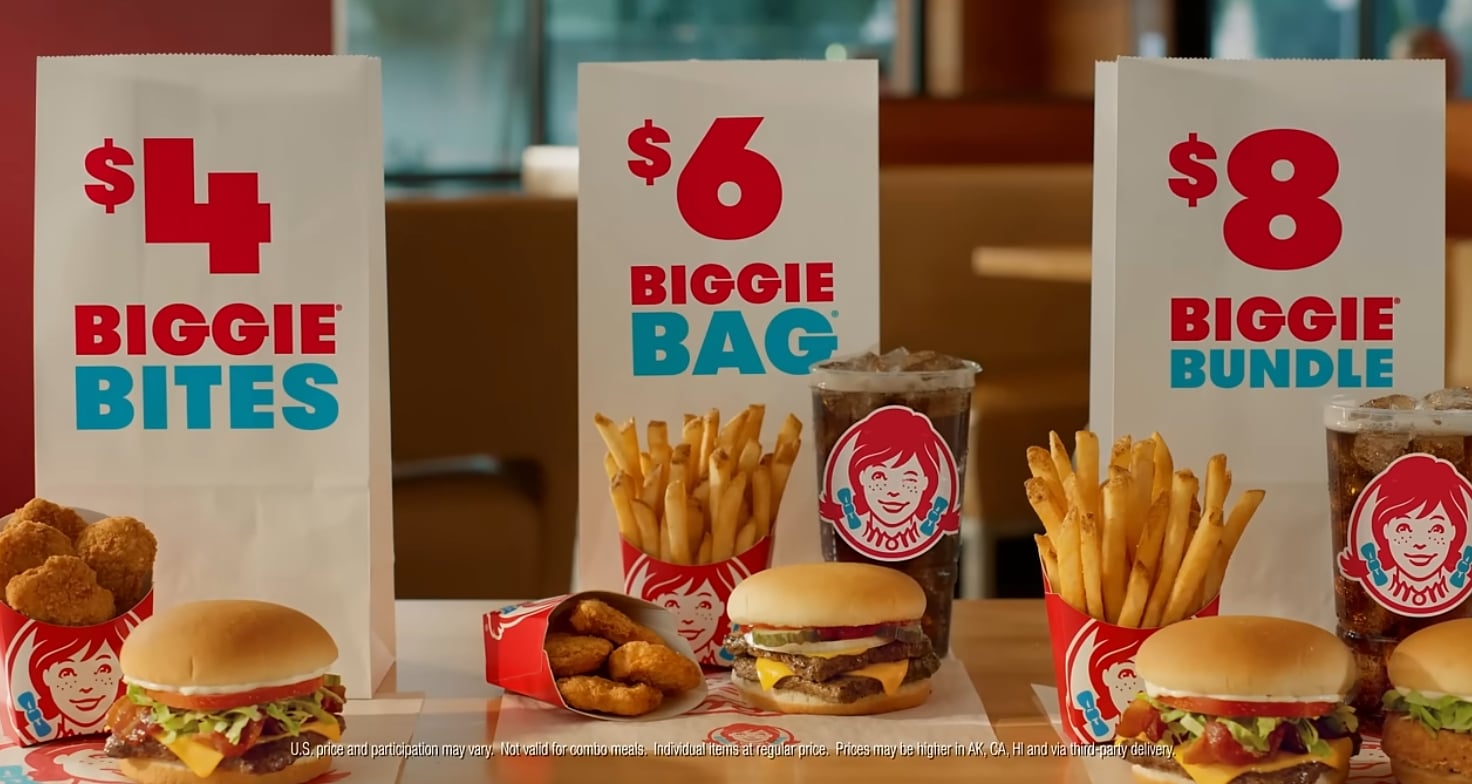
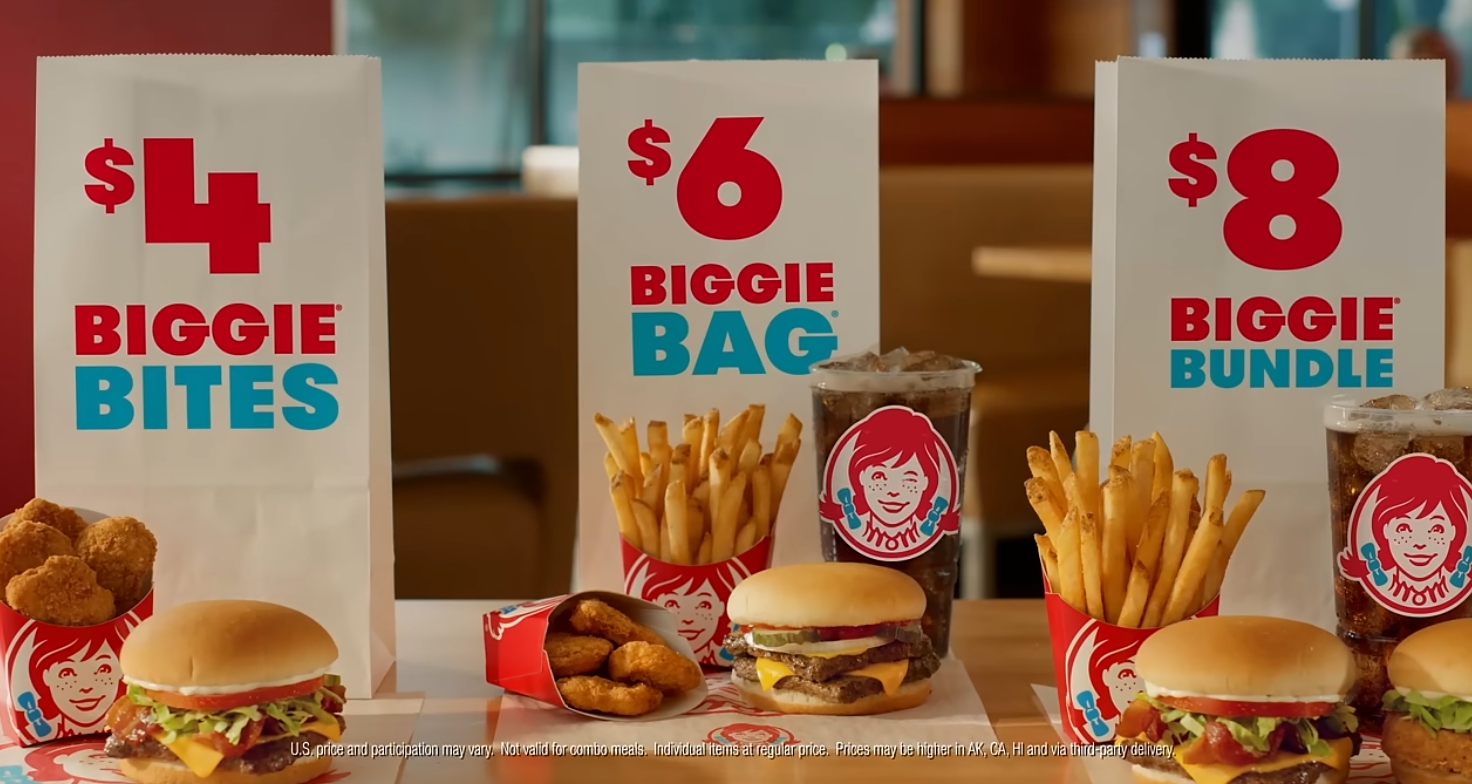
The “Value War” is not limited to the golden arches. Wendy’s has countered with its own $5 “Biggie Bag” and breakfast specials, while Burger King has revamped its value menu to offer more customizable options at lower price points. Industry analysts observe that while these low-margin deals may not drive immediate high profits, they are essential for maintaining market share and encouraging “add-on” purchases, such as desserts or premium sides. This trend reflects a broader shift in the fast-food industry’s business model, moving away from aggressive price hikes and back to the core proposition of affordability and convenience that built these empires.
Impact of Rising Operational Costs
Despite the push for affordability, fast-food franchises face the dual challenge of maintaining low prices while dealing with increased labor costs and raw material expenses. In states like California, where minimum wages for fast-food workers have seen significant increases, maintaining a $5 price point requires extreme operational efficiency. Some franchisees have expressed concerns that these aggressive promotions may squeeze their profit margins too thin. However, corporate headquarters continue to push these national campaigns, viewing them as a necessary “customer acquisition” cost to keep the dining rooms full during an uncertain fiscal year.