
The “Hanbok” Phenomenon: From Tradition to Global Trend
The fusion of K-pop and Korean traditional heritage is no longer a niche concept; it has become a powerful global marketing tool. Icons like Blackpink and BTS have played a pivotal role in this cultural shift by incorporating modified Hanbok (traditional Korean attire) into their music videos and world tour performances. When Blackpink wore modern Hanbok during their Coachella set and in the “How You Like That” music video, global searches for “Hanbok” skyrocketed, transitioning the attire from a historic costume to a fashionable, high-end garment recognized by Gen Z worldwide.
 Gyeongbokgung Palace as a Global Stage
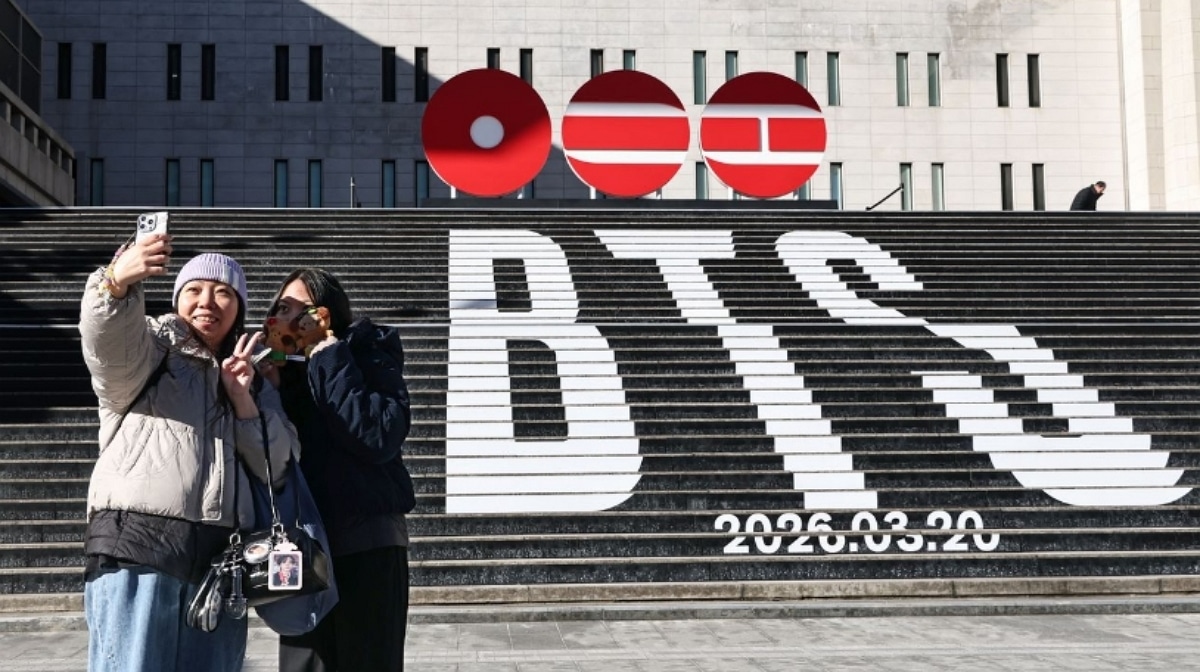
Beyond fashion, the physical landmarks of Korea are being reimagined as grand stages for digital content. BTS famously performed “IDOL” at Gyeongbokgung Palace’s Geunjeongjeon Hall for The Tonight Show Starring Jimmy Fallon, reaching millions of viewers globally. This strategic use of “K-Heritage” as a backdrop not only enhances the visual storytelling of K-pop but also drives a significant increase in “Set-jetting” tourism, where fans visit Korea specifically to see the historical sites featured in their favorite artists’ content. The Cultural Heritage Administration has noted that these collaborations have significantly lowered the barrier for international audiences to engage with Korea’s 5,000-year history.
Modernizing Traditional Sounds and Aesthetics
The integration goes deeper than visuals, extending into the music and production design itself. Many K-pop tracks now feature traditional Korean instruments like the Gayageum or Piri, blended with heavy hip-hop beats or EDM. This “K-heritage moment” is supported by a growing number of young designers and artists who are dedicated to “Newtro” (New + Retro) aesthetics, ensuring that traditional patterns and sounds feel fresh and relevant to a global audience. By blending the old with the new, the K-pop industry is creating a sustainable cultural identity that distinguishes itself from the Western pop market.
The Economic and Cultural Impact of K-Heritage
This synergy between K-pop and heritage is not just about aesthetics—it is a significant economic driver. The South Korean government has recognized this trend as a key component of “Soft Power,” investing in programs that support the global promotion of Korean crafts, food, and architecture through pop culture collaborations. As more groups follow in the footsteps of BTS and Blackpink, the “K-style” influence is expected to expand into the luxury fashion and home decor markets, proving that Korea’s traditional roots are its most competitive asset in the 21st-century global cultural race.