 From Drinking to Experiencing: How Beer Is Evolving with the Times
“Beer doesn’t really get you drunk — it just makes you bloated.”
“Beer gives you a belly.”
We’ve all heard these lines. And like many clichés, they are only half true.
Beer is often perceived as a light drink because of its lower alcohol content. But it is far from weak. Imperial stouts and barrel-aged brews can exceed 10% ABV. The real issue isn’t strength — it’s speed. Beer consumed quickly raises intoxication levels just as rapidly. When sipped slowly, appreciating aroma and temperature, it reveals character and depth. Beer is not meant to quench thirst; it is meant to stretch time.
The so-called “beer belly” is another misconception. Weight gain is more often tied to high-calorie late-night snacks, sedentary habits, and overall lifestyle rather than beer alone. Carbonation may cause temporary fullness, but it fades. Some studies even suggest moderate beer consumption may support circulation and help reduce stress.
Health-Conscious Alternatives on the Rise
Beer is evolving alongside consumer priorities. Low-calorie, low-carb, gluten-free, and nonalcoholic options are expanding rapidly. Beer is no longer simply something people drink — it is something they choose intentionally.
Drinking culture has also shifted. Consumers now track intake through smartphone apps. AI-driven platforms suggest personalized consumption limits based on health data. “Drink smart” is no longer a slogan; it is becoming a lifestyle practice.
Drinking Together in a Digital World
One of the most fascinating developments is how beer culture continues in digital spaces. Since the pandemic, people gather virtually to share the same brew across cities and continents. In virtual “metaverse breweries,” participants attend tastings, concerts, and discussions simultaneously. Collaborative limited-edition releases, sometimes dubbed “virtual co-brews,” are also emerging.
Beer has become a digital connector — a shared language that transcends geography.
Brewing with Environmental Purpose
Across the globe, breweries are redefining their social role. In Japan, Korea, and Europe, brewery tours have become part of the tourism economy. Meanwhile, vegan beers and zero-waste brewing practices are gaining traction.
Breweries are investing in water-saving systems, renewable energy, and locally sourced ingredients to reduce carbon footprints. Beer is increasingly tied to environmental awareness, evolving beyond a beverage into a socially responsible industry.
The Rise of the “Low- or No-Drinking” Generation
Generation Z is drinking less than previous generations, citing health and self-care as priorities. Yet they are not abandoning beer culture entirely. Nonalcoholic beer, hop water, and hybrid beverages allow consumers to enjoy flavor and atmosphere without intoxication.
Beer is shifting from a means of getting drunk to a medium of experience.
With 7,000 years of history, beer has continually reinvented itself. In ancient times, it was a survival drink. During the Industrial Revolution, it symbolized mass production. Today, it stands at the intersection of data and emotion, technology and tradition, sustainability and storytelling.
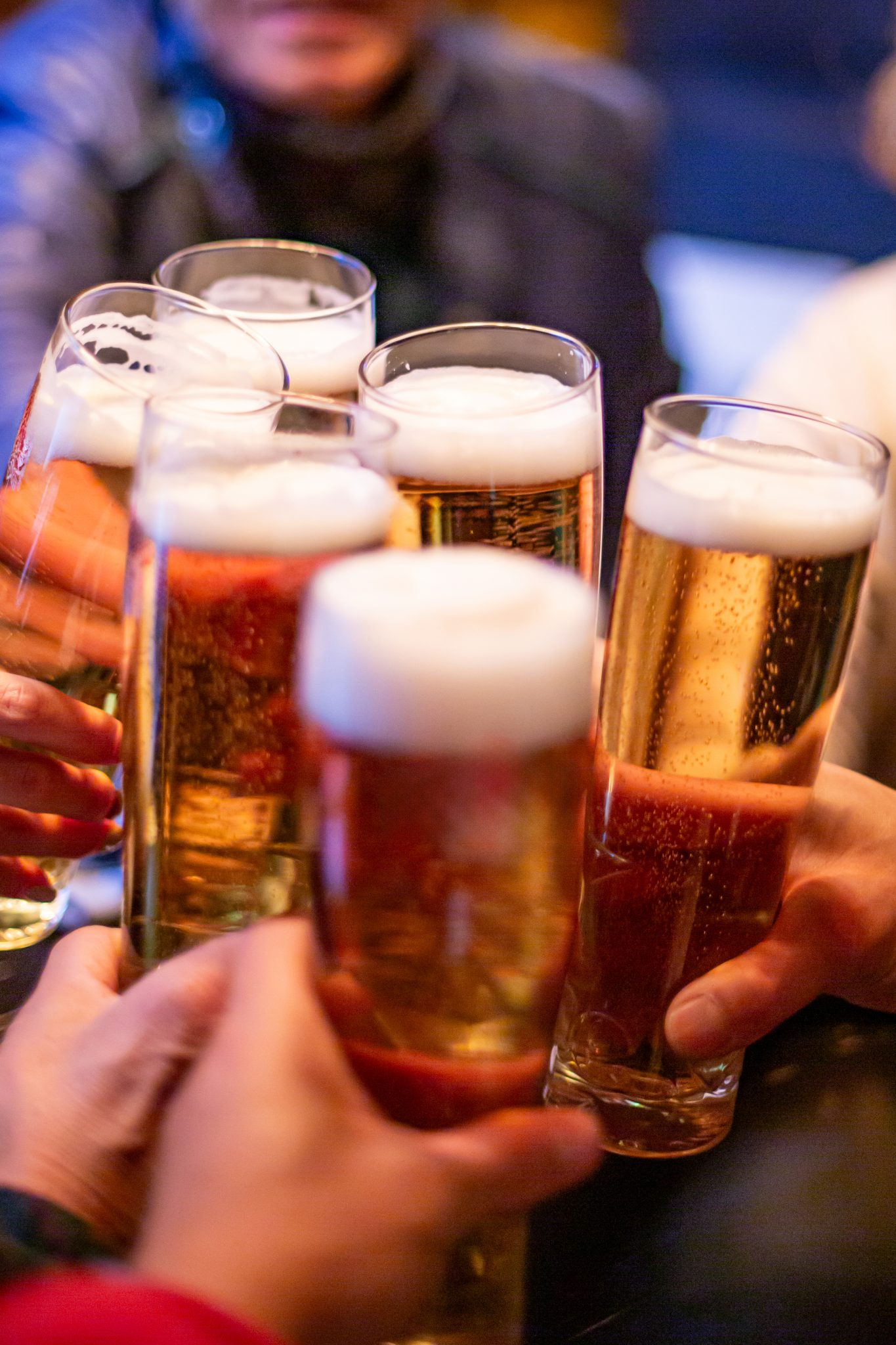
A glass of beer is no longer just about refreshment. It is about pausing, reflecting, and connecting.
And perhaps that is why beer remains — and will continue to remain — one of the most human of all drinks.

Ik Suk Kim
Professor at CSULA