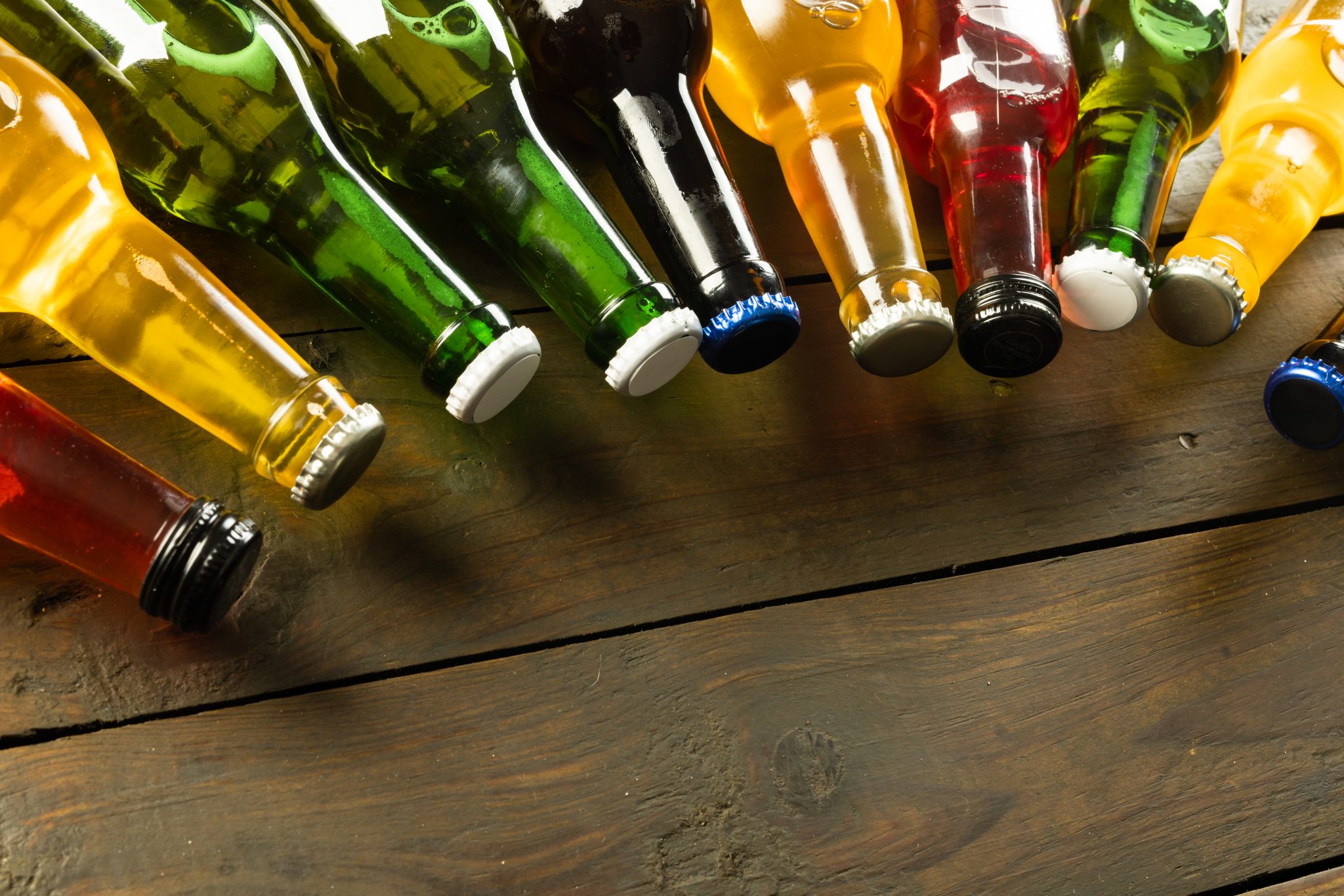
Beer is a drink you can read.
On every bottle label, three numbers quietly define its character: ABV, IBU, and SRM. Learn what they mean, and the world of beer opens in deeper and more nuanced ways.
ABV (Alcohol by Volume) tells you the strength. The higher the percentage, the stronger the alcohol presence; the lower it is, the lighter and smoother the feel. Most lagers sit between 4% and 6%. IPAs often range from 6% to 8%. Imperial stouts can climb past 10%. Yet great beer is not about strength alone — it is about balance. When alcohol warmth, hop bitterness, and malt sweetness align in harmony, the beer becomes complete.
IBU (International Bitterness Units) measures bitterness, quantifying the alpha acids derived from hops. A range of 10 to 30 signals a smooth lager. Above 50 suggests a distinctly bitter IPA. Once it passes 100, you enter “hop bomb” territory — typically double IPAs. But a higher IBU does not automatically mean harsher bitterness. Malt sweetness can soften the bite. Bitterness, in the end, is a language of balance.
SRM (Standard Reference Method) indicates color. A value of 3 to 5 produces a pale pilsner. Between 10 and 15 yields a reddish amber. Above 40 points to dark stouts. Color is not merely visual — it foreshadows flavor. Lighter beers tend to feel crisp and refreshing. Darker ones often carry depth and weight.
With these three numbers alone, you can sketch the outline of a beer before you even taste it.
Beer labels have become a language. Breweries communicate philosophy through color, numbers, charts, and carefully chosen words. Once, beer was simply divided into “lager” and “ale.” Today, hundreds of substyles exist. Even within IPAs, there are American, New England, double, hazy — each defined by different ratios of aroma, bitterness, and body. Consumers navigate this vocabulary to find what suits their palate.
There is even an order to tasting. Begin light, finish dark. Move from crisp and pale to rich and heavy. This protects the palate from fatigue. Foam is not decoration; it preserves aroma and slows oxidation. The ideal pour is roughly two parts foam to eight parts beer. Glass shape and temperature matter. A narrow rim concentrates aroma. A wider bowl maintains softer foam. Every detail influences perception.
Recently, a new concept has emerged: “data tasting.” Artificial intelligence analyzes thousands of brewing recipes to predict personal preferences, automatically recommending ABV–IBU–SRM combinations. Smartphone apps now claim to decode your “flavor DNA” and generate customized beer lists. Yet the final decision still belongs to human senses. The same numbers can taste entirely different depending on mood, setting, and company. Beer exists in the space between data and emotion.
Pairings tell another story. IPA cuts through spicy dishes. Stout complements chocolate and grilled meats. Lagers shine with seafood and salads. Unlike wine, beer rarely demands complex explanations. “It’s refreshing.” “I love the aroma.” “The bitterness feels right.” In such simple impressions lies its essence.
To read beer is not merely to understand numbers. The numbers are guides; sensation is the true language. If ABV, IBU, and SRM are logic, then aroma, texture, and memory are emotion.
Beer lives at the intersection of the two. It is science and art, data and story. Within a single sip lies a warmth that cannot be quantified. And when you recognize that warmth, beer ceases to be just a drink — it becomes something that can be read, felt, and understood.

Ik Suk Kim
Professor at CSULA