
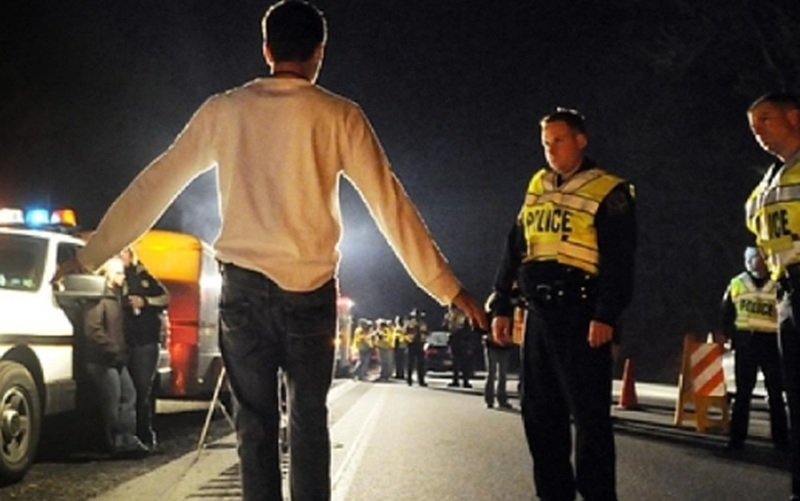
A single DUI arrest is increasingly triggering DUI visa denial concerns during visa or immigration proceedings. Immigration attorneys say applicants must exercise caution, as even one offense can now factor heavily into adjudications.
The shift comes as lawmakers introduce immigration-related bills aimed at preventing drunk driving. In addition, the tougher immigration posture under the Trump administration has reinforced stricter scrutiny of alcohol- or drug-related driving offenses.
Korean American immigration attorneys report that recent DUI or drug-impaired driving records have become a key consideration in visa issuance and status adjustment reviews.
Attorney Dave Noh said that in the past, a “simple DUI” typically did not lead to visa revocation, denial of entry or deportation. However, he noted that the landscape has changed.
“Recently, some international students and nonimmigrant visa holders who were cited for DUI received visa cancellation or denial notices from U.S. Citizenship and Immigration Services (USCIS),” Noh said.
According to USCIS, approximately 16,000 visa cancellations over the past year were linked to DUI cases. That figure accounts for roughly 18% of the approximately 85,000 total visa cancellations issued during the past year under the Trump administration.
Other federal agencies have signaled similar caution.
For example, U.S. Customs and Border Protection (CBP) recently posted on its website that while a DUI conviction does not automatically result in denial of entry, it may affect visa eligibility. CBP also warned that if a DUI is accompanied by other misdemeanor convictions, entry may be denied. Authorities also consider blood alcohol concentration levels at the time of arrest.
Attorney Jung Hoon Song said applicants face greater risk if their blood alcohol concentration was 0.15 or higher. Penalties may also increase if a minor was present in the vehicle or if the individual is a repeat offender. He added that immigration law defines a “conviction” more broadly than criminal law. Therefore, deferred prosecution or plea agreements that result in dismissed charges may still pose immigration problems.
The stricter approach extends beyond cases inside the United States. Applicants in South Korea seeking L, J or F visas report more demanding screening procedures.
Attorney Hea Wook Kim said that since the start of the second Trump administration, even a single uncomplicated DUI record has resulted in visa issuance being placed on hold. In some cases, applicants receive a “green letter” directing them to undergo addiction screening at a designated medical facility, even when they present strong ties and clear intent to travel.
Meanwhile, federal lawmakers are moving to codify these standards. In June, the U.S. House of Representatives passed H.R. 6976, a bill that would make even a single DUI conviction grounds for visa denial, denial of reentry or deportation. The measure, now before the Senate, applies to any foreign national convicted of or admitting guilt to alcohol- or drug-impaired driving.
Attorney Kwan Woo Choen noted that nonimmigrant visa holders cited for DUI are typically reported to USCIS, even if the offense is classified as a misdemeanor. He cited a recent case in which an E-2 treaty investor visa holder received a warning letter from USCIS suggesting the agency questioned whether the individual intended to maintain U.S. residence after a DUI citation.
Immigration attorneys say the evolving enforcement environment underscores the importance of understanding how even a single DUI offense may carry lasting immigration consequences.
BY HANKIL KANG [kang.hankil@koreadaily.com]