Beer aesthetics begin before the first sip. Sunlight slips through a glass, and golden foam rises as a beer comes to life. What people notice first is not taste, but light. We look, we smell, and only then do we confirm it with the mouth. Beer is an art made by the senses together.
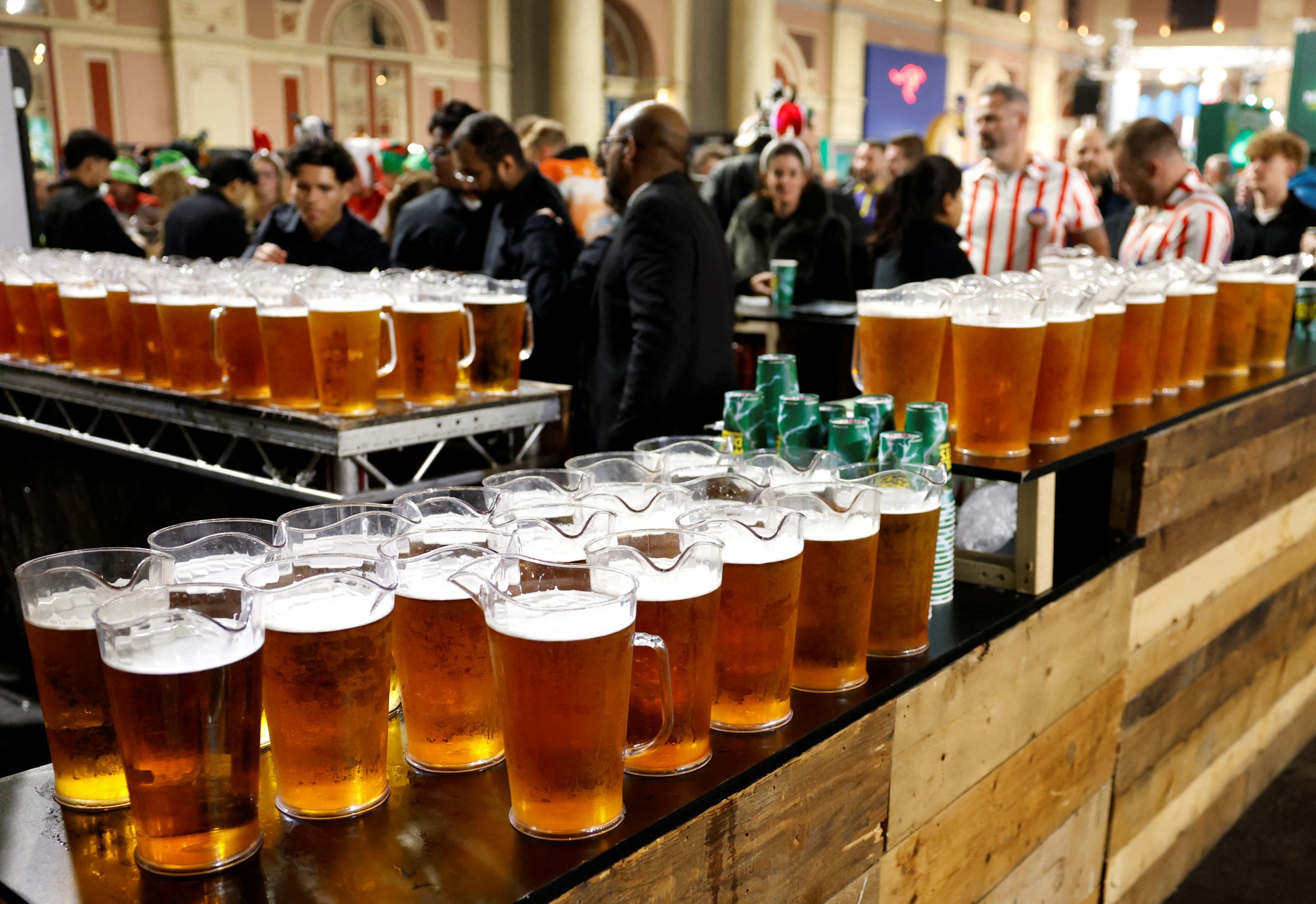
Before the 19th century, many people could not clearly see beer’s color because cups made of wood or ceramic were not transparent. As glassware spread, drinkers began to read flavor through color, and an era of “visible beer” began. Color is not just decoration. It signals what the beer is like.
A bright, golden pilsner hints at crisp refreshment. A red amber ale suggests a softer sweetness. A dark brown stout points to a heavy roasted aroma.
In the industry, color is measured using SRM (Standard Reference Method). A lower number means a lighter beer, and a higher number means a darker one. Consumers predict taste by color, and brewers define a brand by color.
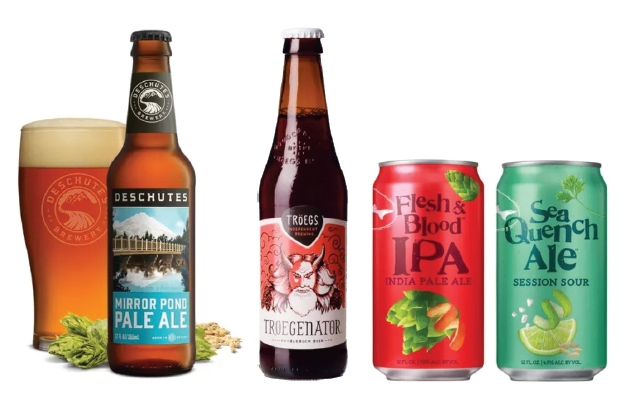
Recently, color itself has become marketing. Beers described as “blue lager,” “pink IPA,” or “purple saison” use visual identity to draw younger consumers. In the age of social media, a beer that looks good has become a beer that sells well. “Experience-based packaging” is also growing, including labels that change color in response to aroma and cans designed by artists.
The world of aroma is more complex. Beer can express emotion through a mix of scents such as grapefruit, mango, coffee, vanilla, chocolate, and more.
Hop variety, yeast, aging temperature, and how much barley is roasted all shape aroma. The citrus scent of an IPA, the herbal scent of a saison, and the coffee scent of a stout all come from different combinations.
Now, many people look at aroma and balance before alcohol strength. A “good-smelling beer” has become a sign of a well-made beer.
More recently, AI is being used to analyze aroma compounds in real time during fermentation. It can automatically adjust the timing and temperature of Dry Hopping to keep aroma at its best. Some breweries also control oxygen levels inside cans to reduce aroma loss. Aroma cannot be seen, but it is an area technology is trying hard to protect.
Still, aroma always works with memory. The scent of a beer shared with someone, the hop smell from a trip, or the foam from a first date can tie beer to personal moments. These aromas blend with private memories and turn beer into something you “drink and remember.”
That is why aroma is both science and feeling. Beer is a drink you see and a drink you sense through smell.
Some breweries now run hands-on events focused on aroma and color. Customers may taste blindfolded and try to identify beers only by smell, or they may analyze color through a spectrum of light. Beer is no longer just a drink for getting buzzed. It is becoming an art that speaks in the language of the senses.
In the end, color and aroma remain as forms of memory. In bright, golden foam, people feel a sense of ease. In a stout glass, they look back on time.
Beer, by itself, becomes a texture of time and a record of emotion—a drink you see, smell, and keep in the heart. That is why beer remains art, and a sensory language that lasts across eras.

Ik Suk Kim
Professor at CSULA