Immigrant Small Businesses Hit by Sudden SBA Loan Restrictions
A sudden change in federal loan eligibility rules has sent shockwaves through immigrant-owned small businesses, effectively shutting many out of key government-backed financing programs and triggering accusations of discrimination.
“So many calls are coming in from affected clients—it’s overwhelming,” said a loan officer at a Korean American bank. “This came out of nowhere.”
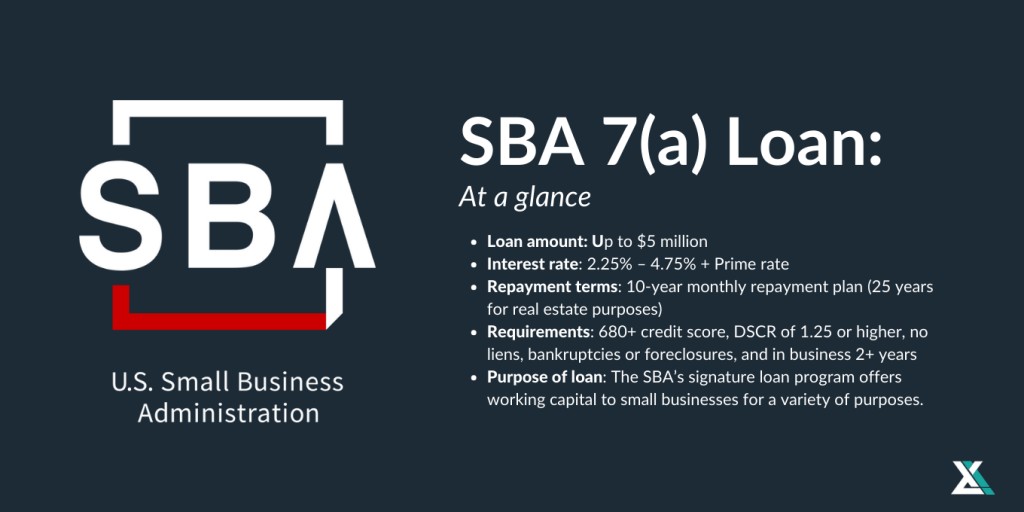
The controversy centers on new eligibility requirements imposed by the U.S. Small Business Administration (SBA), which significantly tighten immigration-status rules for its flagship 7(a) loan program. Beginning March 1, businesses applying for SBA loans must be 100% owned by U.S. citizens or U.S. nationals, and all owners must maintain a principal residence in the United States.
The new policy marks a complete reversal of a rule introduced in December, which had allowed foreign nationals, lawful permanent residents, or U.S. citizens living abroad to collectively own up to 5% of a business. That exception has now been eliminated.
The restrictions apply not only to the widely used 7(a) loan program but also to SBA’s 504 loan program. Both have been essential financing tools for operating capital, equipment purchases, and commercial real estate acquisitions—particularly for immigrant entrepreneurs who often face hurdles securing conventional bank loans.
Last year alone, the SBA approved approximately $33.8 billion in 7(a) loans, backing 75% to 85% of loans originated by private lenders.
Analysts say the new rules align closely with an executive order issued by Donald Trump in January 2025 titled “Protecting the Nation from Foreign Infiltration,” which directed federal agencies to use all lawful means to strictly enforce U.S. immigration laws.
Following public disclosure of the policy on Feb. 2, experts criticized the move as an anti-immigrant business measure. Immigrant-owned companies have long been credited with job creation and local tax growth, but the new rules effectively exclude them from federal financial support, limiting their ability to expand.
Industry data show that roughly four out of ten U.S. small business owners are foreign-born, with entrepreneurs from India, Korea, China, and Latin America playing major roles across hospitality, food service, retail, and service industries.
Kang, a restaurant owner in Buena Park who requested partial anonymity, said the timing could not be worse. “I was preparing to apply for a loan to upgrade our refrigeration system this summer,” he said. “This feels like a bolt from the blue. If there’s no alternative, I’ll have to look into credit card financing or unsecured bank loans.”
Banks are also scrambling to respond.
David Chung, head of the SBA lending division at Bank of Hope, said lenders received no advance notice. “We were completely caught off guard,” he said. “Now we have to find alternative solutions for clients who were already preparing their applications.”
For now, banks believe that applications approved before March 1 will not be affected.
The political fallout is intensifying.
Rep. Roger Williams (R-Texas), chair of the House Small Business Committee, defended the move, calling it “a difficult decision,” and claimed large sums of SBA funds went missing during the Biden administration.
Democrats, however, condemned the policy in strong terms.
Sen. Ed Markey and Rep. Nydia Velázquez, the ranking members of the Senate and House Small Business Committees, issued a joint statement on Feb. 3 accusing the Trump administration of “spreading fear and confusion among immigrants and small business owners.”
“Instead of supporting lawful immigrants in starting and expanding businesses, excluding green card holders from SBA loans is outright discrimination,” the statement said. “The message from this administration is clear: immigrants are not entitled to pursue the American Dream.”
As backlash continues to grow, observers expect the debate over immigration, discrimination, and access to federal small-business financing to intensify in the coming months.