The NHL’s Los Angeles Kings are deepening their ties with the Korean American community through ‘K-Town Night,’ reaffirming their commitment to building a lasting relationship beyond a one-time cultural event.
After becoming the first team in the NHL to officially spotlight Korean culture and Los Angeles Koreatown last year, the Kings brought K-Town Night back on January 20, positioning it as a bridge to the Korean community and a foundation for long-term engagement.
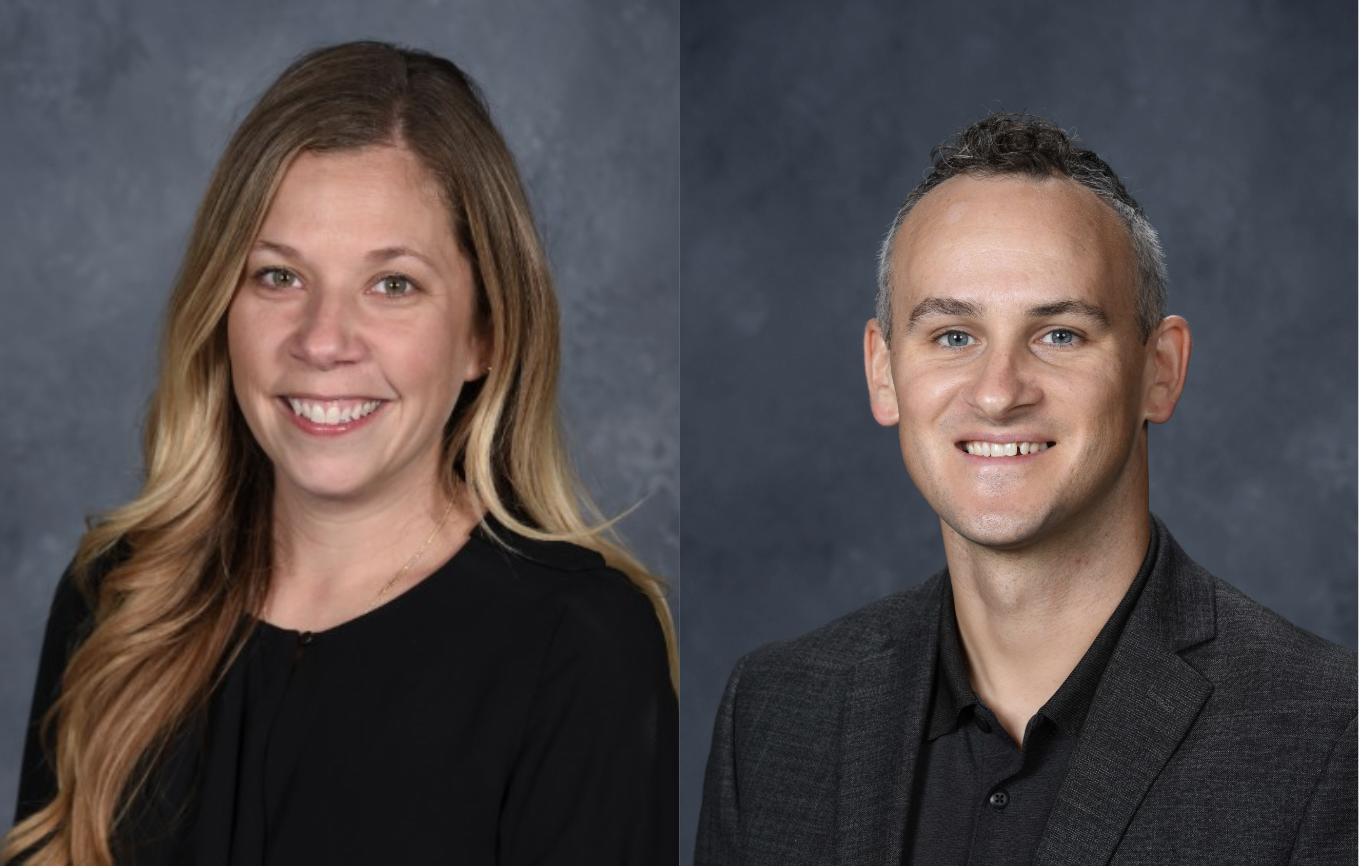
Team executives said the event is “not a one-off celebration,” but rather a starting point for continued connection with Korean Americans. In an interview with The Korea Daily, Jen Pope, Senior Vice President of Community Relations & Hockey Development, and Sean Tabler, Vice President of Event Production and Creative, said the guiding principles behind K-Town Night are “authenticity” and “follow-through.”
Pope said the Kings view the relationship with the Korean community not as a “gap,” but as an opportunity to engage with neighbors they simply have not had enough conversations with. “We want to be remembered by Korean Americans as a team that is genuine, friendly, and accessible,” she said. One of the most memorable moments from the inaugural K-Town Night last year was the performance of the U.S. national anthem by the harmonica ensemble from the Koreatown Senior & Community Center—followed by a spontaneous sing-along from the crowd. The moment quickly went viral online and became a defining image of the event.
This year, the senior harmonica group returned with an expanded lineup. Unlike many Korean heritage events that tend to center on celebrity appearances or Korean pop culture, the Kings intentionally placed first-generation Korean immigrant seniors at the forefront, delivering a message that stood out for its warmth and authenticity.
Tabler recalled the atmosphere in the arena when the anthem began. “Even now, it gives me chills,” he said, describing the crowd singing along. “What matters is not letting that moment end as a one-time experience, but turning it into a sustainable relationship.”
Pope also pointed to the organization’s continued partnership with the Koreatown senior center as an example of follow-through. “After last year, we asked what the senior center actually needed, and we provided donations and supplies accordingly,” she said. “Going forward, our staff will continue engaging—joining programs and maintaining consistent exchanges.” She added that the Kings have come to see the Korean community as one they must learn from and connect with more deeply. “As we toured Koreatown and worked to understand the neighborhood, we learned a great deal as an organization,” Pope said. “We also realized once again that the Korean community is not a single culture, but a diverse community shaped by different generations and backgrounds.”
The Kings said the appeal of hockey lies in its live intensity. Tabler described the sport as nonstop from the moment the puck drops—fast-paced, physical, and immersive. “Even if the rules feel unfamiliar at first, once you step into the arena and experience the speed, the collisions, and the sound of skates cutting through the ice, you get pulled in,” he said.
Pope also called hockey “a sport where tension and the thrill of scoring coexist.” As part of their long-term strategy to grow Korean and broader Asian fan engagement, the team said it is placing particular emphasis on youth programs. Pope noted that when one child joins a youth hockey program, entire families often become fans as well. She added that the Kings rank among the league’s top teams in Asian youth participation. Both executives also expressed hope that a Korean NHL player could emerge in the future, saying it would further strengthen community pride and unity, much like the excitement seen in Los Angeles when soccer star Son Heung-min joined LAFC.
BY KYEONGJUN KIM [kim.kyeongjun1@koreadaily.com]