
As a series of incidents in which federal agents opened fire during operations targeting undocumented immigrants resulted in the deaths of U.S. citizens, anxiety has been spreading throughout the Korean American community.
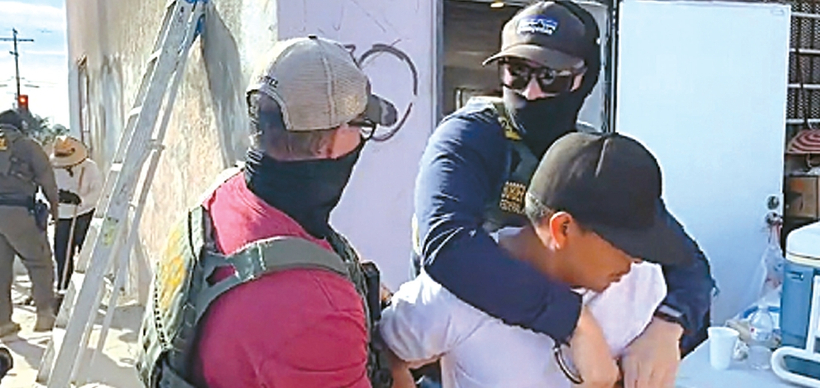
Concerns have grown especially after an internal guideline was revealed stating that Immigration and Customs Enforcement (ICE) agents may enter homes using only an administrative warrant without a judge’s signature. With wide-ranging enforcement operations taking place across Koreatown in Los Angeles as well as the garment district, downtown areas, streets, and residential neighborhoods, immigrant communities are increasingly asking: “What should I do if I run into ICE?”
Attorneys warn that the most dangerous thing when confronted by ICE is reacting emotionally. Given the current atmosphere, protesting or arguing on the spot may only escalate the situation. Instead, they advise stepping back in the moment and pursuing legal remedies afterward if wrongdoing has occurred.
Attorney Oh Wan-seok said, “It’s hard to say ICE is operating under responsible control right now,” adding, “There is nothing to gain by provoking them.”
Below is a Q&A summary of advice from immigration attorneys.
Q: What should I do if I encounter ICE agents?
A: “Above all, stay calm. Keep both hands visible and avoid sudden movements. Respond the same way you would if you were pulled over by the police while driving. Rather than confronting them, following instructions is the safest option. You can pursue legal action later through an attorney.”
Q: How does ICE typically approach people?
A: “In many cases, they approach individuals they have already identified as targets. They may wait on the street or show up at a person’s home, workplace, or even at court. Some agents may disguise themselves as police officers or approach under pretenses such as saying, ‘We’re conducting an investigation,’ or, ‘We just want to talk for a moment.’”
Q: Can I protest or refuse?
A: “At this time, how you assert your rights matters. Yelling or getting angry can rapidly worsen the situation. It is important to avoid unnecessary provocation.”
Q: What if they ask for identification?
A: “Under the Immigration and Nationality Act (INA Section 264), anyone age 18 or older is required to carry proof of immigration status at all times, such as a permanent resident card (I-551) or an employment authorization document (I-765). If requested by a law enforcement agency, you must present it.
However, you are not obligated to answer questions about your name, place of birth, or immigration status. You have the right to remain silent, as guaranteed under the U.S. Constitution.”
Q: What if ICE comes to my home, church, or my child’s school?
A: “Before opening the door, you must confirm whether they have a warrant. Rather than arguing, calmly ask whether they have one. If they do, request that they show it to you through the space under the door or through a window.”
Q: What about an administrative warrant without a judge’s signature?
A: “Entering a home based only on an administrative warrant without a judge’s signature goes against the spirit of the Constitution. However, physically resisting or confronting agents on the scene is extremely dangerous. A more realistic option is to get through the situation first and challenge it legally afterward.”
Q: What if they are already inside my home?
A: “You must clearly state, ‘I do not consent to you being in my home. Please leave.’ If they attempt to search, repeatedly say, ‘I do not consent to a search.’ Do not sign any documents, and clearly assert your right to remain silent and your desire to speak with an attorney.”
Q: What if they try to search my body?
A: “Do not run away or physically resist. However, it is a basic right to calmly state, ‘I do not consent to a search.’”
Q: Should I participate in protests or rallies?
A: “In a situation like this, taking part in aggressive protests or rallies and directly clashing with ICE is extremely dangerous. Avoid drawing attention to yourself or reacting emotionally.”
By Kang Han-gil