U.S. immigration authorities have eliminated a long-standing rule that required R-1 religious visa holders to remain outside the country for one year after reaching the maximum five-year stay. The change removes a major administrative burden for Korean American pastors, missionaries, and other religious workers serving in the United States.
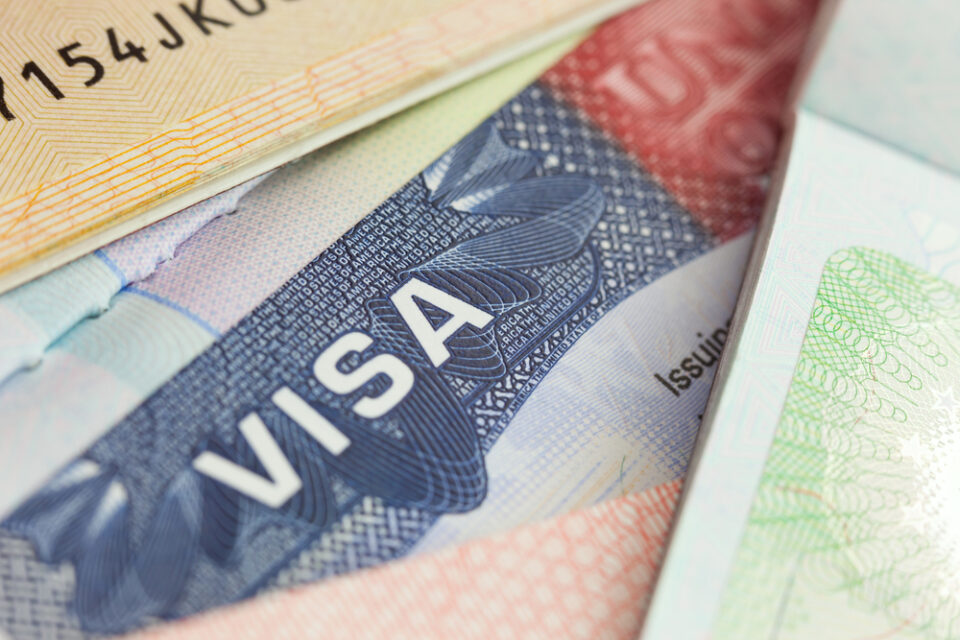
U.S. Citizenship and Immigration Services (USCIS) announced on January 14th that it has abolished the “one-year abroad requirement” previously applied after five years of service on an R-1 visa. The change was issued as an interim final rule, took effect immediately upon announcement, and will proceed alongside a 60-day public comment period following publication in the Federal Register.
Under the revised rule, religious workers who have completed five years of service in the U.S. on an R-1 visa are no longer required to live abroad for at least one year before applying again for R-1 status. Previously, those who reached the maximum stay had to remain overseas for a full year before reapplying, often forcing senior pastors or key ministry leaders into extended absences that disrupted church operations and continuity of ministry.
Although a formal departure from the United States is still required, the minimum overseas residence requirement has been eliminated. This allows religious workers to prepare for visa extensions or subsequent immigration procedures without a prolonged interruption of their religious service.
A Korean American pastor serving in Southern California said that as the five-year mark approached, visa concerns often took precedence over ministry work. “Now we can prepare for the next steps without leaving the church,” the pastor said, describing the decision as critical to maintaining ministry operations.
The Department of Homeland Security (DHS) said the change reflects consideration for the stability of religious communities. DHS stated that pastors, priests, nuns, rabbis, and other religious workers form a core part of the nation’s moral and social fabric and emphasized its commitment to protecting religious freedom and continuity of service.
The rule change is described as having a particularly significant impact on Korean American churches. Many are small, newly established, or structured around a single senior pastor, making a mandatory one-year absence effectively equivalent to a suspension of ministry and a barrier to long-term planning.
Another pastor serving in LA said that simply being able to maintain lawful status while continuing ministry work has brought a sense of relief.
The change also allows R-1 visa holders more time to realistically pursue long-term options such as the EB-4 religious worker immigrant visa. Waiting periods have lengthened due to visa quota shortages and changes in State Department systems, leading many religious workers to exhaust their R-1 stay limits before EB-4 processing could be completed.
DHS said the measure aligns with the policy direction of the “White House Faith Office”, which was established by executive order under Donald Trump. The office views religious service as essential to maintaining society and seeks to reduce institutional barriers facing religious workers.
With the repeated cycle of “five years of service followed by one year abroad” now ended, religious workers can plan more stable ministries and immigration paths.
BY HANKIL KANG [kang.hankil@koreadaily.com]