 Tariff Dividend Pledged Repeatedly, but Experts Say Path to Reality Is Unclear
Revenue Shortfalls and Legal Questions Cloud Outlook
IRS Warns Public of Scam Texts and Emails
Will American taxpayers actually receive checks funded by tariffs imposed on foreign trading partners? If so, when—and how much?
President Donald Trump’s proposal to issue so-called “tariff dividend” payments has become a focal point of public interest as the new year begins, particularly among middle- and lower-income households.
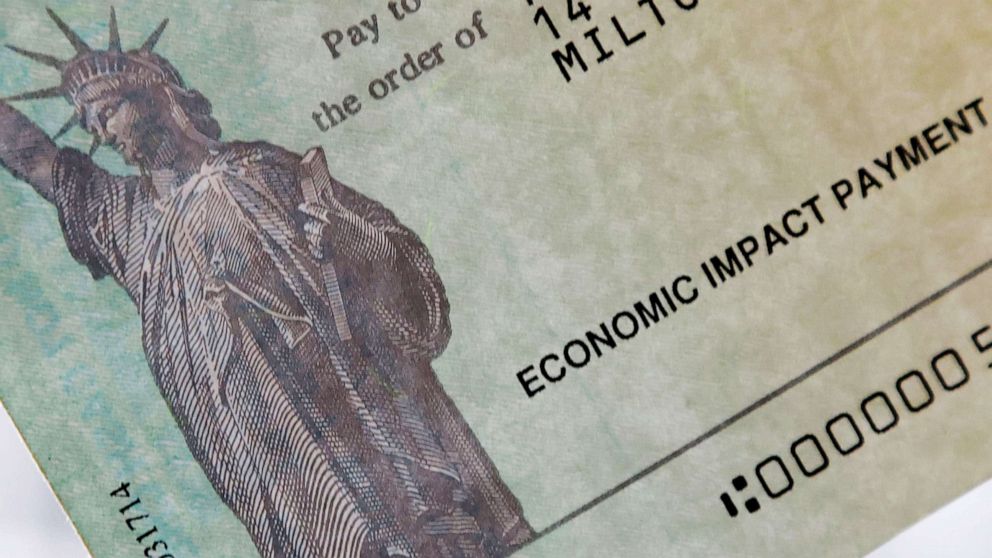
Trump has repeatedly floated the idea since November, saying tariff revenues could be used to provide dividend payments of up to $2,000 per person. “Next year will be the largest refund year in history,” he said at the time, pledging to return tariff proceeds to the public while also reducing national debt.
The announcement briefly helped ease public concern over disruptions caused by expanded tariffs and raised expectations about potential financial relief. However, experts caution that significant hurdles remain before any checks could be issued.
According to the Treasury Department, tariff-related revenue in 2025 totaled approximately $195 billion—well short of the roughly $300 billion required to distribute $2,000 checks nationwide. Moreover, changes in tariff rates and partial rollbacks have created wide uncertainty over long-term revenue projections.
Administrative challenges loom as well. Any tariff dividend program would require congressional approval, as was the case with pandemic-era stimulus payments in 2020 and 2021. Last year, Sen. Josh Hawley (R-Mo.) introduced legislation proposing payments ranging from $600 to $2,400 funded by tariff revenue, but the bill remains stalled in committee.
The White House has adopted a more cautious tone. Kevin Hassett, a senior economic adviser, said late last year that the president could submit a proposal to Congress in 2026, noting that funding could come from sources beyond tariffs. Ultimately, he said, budget decisions rest with lawmakers.
Legal uncertainty adds another layer of risk. The Supreme Court is currently reviewing challenges to the president’s authority to impose certain tariffs. Should the court invalidate the tariff framework, the dividend plan could collapse entirely.
Trump has also floated other cash-payment ideas, including a so-called “DOGE dividend” tied to government efficiency savings and special payments for military personnel, but none have advanced beyond the proposal stage.
As speculation continues, federal officials warn that scams are already proliferating. The Internal Revenue Service has issued alerts about fraudulent text messages and emails claiming to offer tariff refunds or stimulus payments. Scammers often demand fees or attempt to steal personal information.
The IRS stressed that it does not initiate contact about refunds or benefits via email or unsolicited text messages and urged taxpayers to verify any notices by logging into their official IRS online accounts.
Experts widely agree that the $2,000 tariff dividend remains a political concept rather than an imminent policy—and that Americans should temper expectations.