In California, a driver can cause a fatal car crash and still face lighter consequences than for drunk driving or speeding according to CalMatters. Critics say a legal loophole has created a system where death on the road can carry fewer penalties than routine traffic violations.
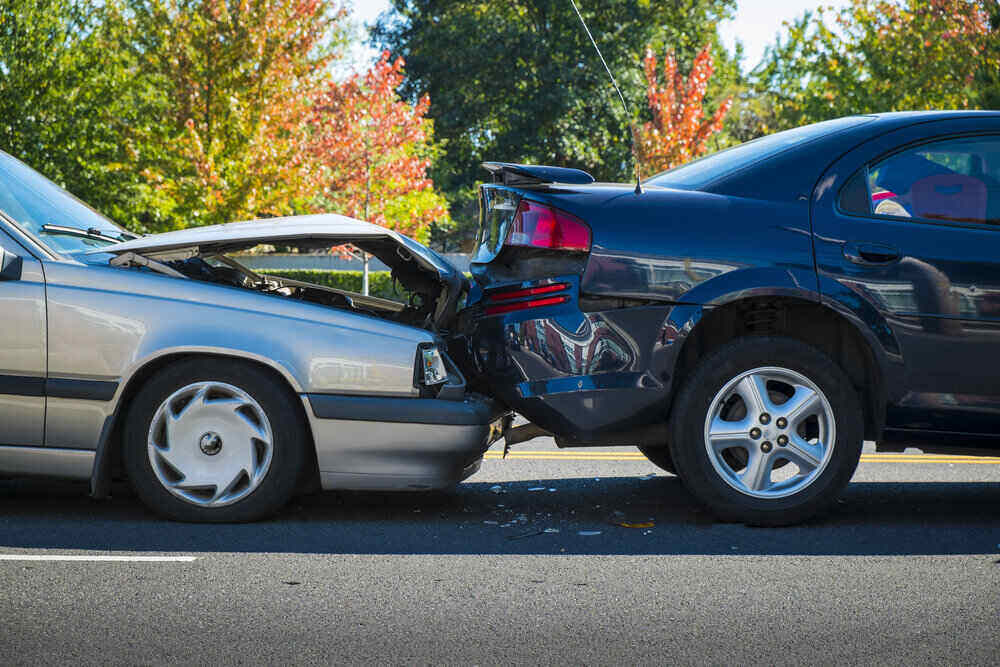
The situation stems from a criminal justice reform law enacted in 2020, which expanded the state’s misdemeanor diversion program. When a fatal crash caused by driver negligence is charged as a misdemeanor, the defendant may qualify for diversion. If the driver completes certain conditions, the case is dismissed, leaving no criminal conviction and no record of the death on the DMV driving history.
Nonprofit investigative outlet CalMatters reported on Dec. 17 that some drivers charged with misdemeanor vehicular manslaughter have used diversion to close their cases without a conviction, while maintaining spotless driving records. The result, critics argue, is that a death can be treated as “less serious than a single speeding ticket.”
Diversion programs have existed nationwide for decades. They were originally designed to prevent people charged with minor offenses, such as shoplifting or drug possession, from suffering long-term harm to employment or housing prospects. Under the system, a judge pauses criminal proceedings and orders a defendant to complete conditions such as rehabilitation or community service. If the conditions are met, the case is dismissed.
Historically, diversion applied to limited groups, such as military veterans or defendants with mental health issues, and required a prosecutor’s consent.
That changed in California after the 2020 law revision. Under the amendment, judges gained broad discretion to grant diversion for nearly all misdemeanor offenses, even over a prosecutor’s objection. The law also significantly reduced mandatory requirements for defendants. The bill was introduced by former Democratic Assemblymember Phil Ting and signed into law by Governor Gavin Newsom.
According to CalMatters, at least 30 drivers in California have avoided a vehicular manslaughter conviction through diversion. Because many cases are sealed or removed from court databases, the actual number is likely far higher.
Most of those drivers still hold valid licenses, and their DMV records contain no indication of a fatal crash. Because diversion is not legally considered a conviction, the standard two-point penalty typically imposed for vehicular manslaughter does not apply. As a result, drivers also avoid related consequences such as increased insurance premiums, mandatory traffic school, or license suspension.
Investigators also found a troubling pattern of repeat violations. CalMatters reported that roughly one in three drivers who avoided criminal liability through diversion later received speeding or red-light tickets or were involved in another crash. In Los Angeles, one driver who killed a bicyclist after falling asleep at the wheel was cited for traffic violations just months after diversion was approved.
Prosecutors have sharply criticized the system. Rochelle Beardsley, a prosecutor with the Sacramento County District Attorney’s Office, said the practice sends a devastating message to victims’ families. “This kind of leniency is like telling families that their loss meant nothing,” she said, calling it deeply unfair to people who have already suffered irreversible harm.
Los Angeles Superior Court Judge Daniel Lowenthal, who was involved in drafting the 2020 legislation, defended the original intent of diversion but acknowledged flaws in its current application. He said reforms are needed to ensure that diversion in fatal crash cases is at least reflected on a driver’s DMV record.
BY KYEONGJUN KIM [kim.kyeongjun1@koreadaily.com]