
The K-pop industry is again facing criticism over claims that it borrows from Black American culture without proper credit or understanding according to EURweb.
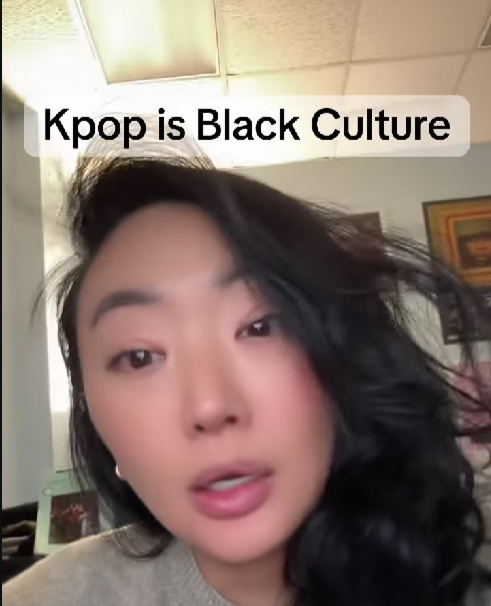
A social media video by a Korean American influencer criticizing K-pop’s use of Black culture has gone viral, drawing renewed attention to long-running concerns about cultural borrowing in the industry. The video has surpassed 3.4 million views and is fueling widespread online discussion.
Jane Lee, a music-focused influencer, said in the video that the K-pop industry regularly uses musical elements and styles rooted in Black American genres such as hip-hop and R&B while failing to sufficiently explain or acknowledge their cultural origins, context, and creators. Lee emphasized that the core issue is not the use of Black cultural elements itself, but the lack of source recognition and explanation in the borrowing process.
Lee also noted that this pattern is not new. Since the debut of Seo Taiji and Boys in 1992, K-pop has consistently drawn influence from Black music, she said. According to Lee, many current K-pop songs are still produced with the participation of Black producers and songwriters. She added that borrowing extends beyond music to fashion, styling, hairstyles, choreography, slang, and other non-musical elements.
Lee further pointed out that Black artists have historically faced exclusion or disadvantage for using the same cultural elements that are now positively received and commercially successful in K-pop. She said this contrast is difficult to understand and argued that the difference lies not in the cultural elements themselves, but in who uses them and how they are consumed.
Following the video’s release, online communities including Lipstick Alley, X, and Reddit saw an increase in posts supporting Lee’s criticism. Users cited examples such as K-pop idols’ hairstyles, styling choices, rap techniques, and lyrical expressions, noting that these elements repeatedly originate from Black culture. Some users argued that while the finished content is consumed as original K-pop work, the cultural origins and contributions behind it are often not clearly acknowledged.
Some users also referenced a Netflix documentary, Explained: K-Pop, noting that comments explaining K-pop’s origins were translated in English subtitles as “American culture” rather than “Black culture.” They argued that this translation choice diluted the recognition of Black cultural origins during the global distribution process.
BY YOONJAE JUNG [jung.yoonjae@koreadaily.com]